 Pop Culture & EntertainmentQ1
Which veteran actress got tackled in a pickup football game in Snickers' famous 2010 Super Bowl ad?
 Pop Culture & EntertainmentQ2
Which actor voiced the M&M’s character Yellow in many commercials during the 2000s?
 Pop Culture & EntertainmentQ3
Which pop star teamed up with McDonald's for the 2003 launch of its worldwide "i'm lovin' it" campaign?
 Pop Culture & EntertainmentQ4
Which actor voiced the M&M’s character Red in 2000s-era commercials?
 Pop Culture & EntertainmentQ5
Which singer posed with a guitar and a milk mustache in a 2008 "Got Milk?" ad?
 Pop Culture & EntertainmentQ6
Who directed and starred in the 2004 documentary Super Size Me, about eating only McDonald's food for a month?
 Pop Culture & EntertainmentQ7
Which pop star appeared in Pepsi’s 2004 “Gladiator” commercial alongside Britney Spears and Pink?
 Pop Culture & EntertainmentQ8
Which singer starred in Pepsi’s 2001 “Joy of Pepsi” campaign commercials?
 Pop Culture & EntertainmentQ9
Which TV cook signed on as the face of Dunkin' Donuts ads in 2007?
 Pop Culture & EntertainmentQ10
Which NBA star went trick shot for trick shot with LeBron James for a Big Mac in McDonald's 2010 Super Bowl ad?
 Pop Culture & EntertainmentQ11
Which Queen song did Britney Spears, Beyoncé and Pink perform in Pepsi's 2004 gladiator commercial?
 Pop Culture & EntertainmentQ12
Which celebrity washed a Bentley in a much-talked-about 2005 Carl's Jr. burger commercial?
When Celebrities Sold Our Snacks: A Tour of 2000s Food and Drink Ads
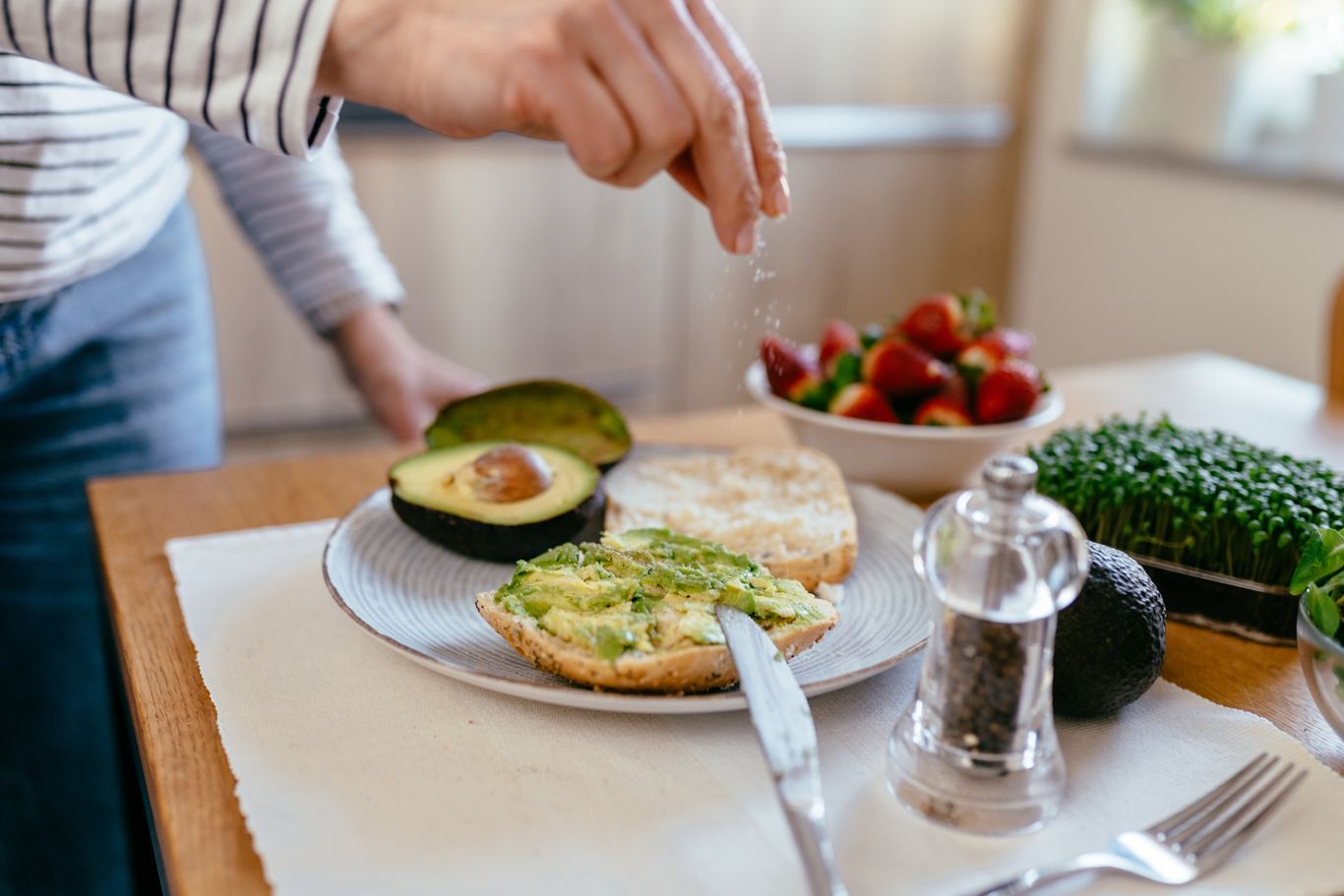
In the 2000s, celebrity food and drink advertising hit a sweet spot. Brands wanted star power that could cut through a crowded TV landscape, and audiences were primed to recognize faces from TRL, blockbuster movies, and chart-topping radio. The result was a decade of commercials and promotions that still feel instantly time-stamped: quick-cut editing, catchy taglines, and famous people making everyday cravings look like part of a bigger pop culture moment.
Fast food chains leaned hard into celebrities because a familiar face could make a limited time burger or a value menu feel like an event. Super Bowl spots were especially important, turning a 30-second ad into something people talked about at school or work the next day. One of the most recognizable examples from the era is Paris Hilton for Carl’s Jr., whose early-2000s commercials became widely discussed and frequently replayed. Taco Bell also chased that big, buzzy feel with stunts and spokescharacters, while McDonald’s focused on broad appeal, from the long-running I’m lovin’ it era to high-profile tie-ins that kept the brand everywhere at once.
Soft drinks and candy brands often aimed for a different kind of celebrity connection: music and attitude. Pepsi built a long tradition of pop-star campaigns, and in the 2000s that continued with major names who could anchor a commercial like a mini music video. Britney Spears appeared in multiple Pepsi ads around the turn of the decade, and Beyoncé later became part of Pepsi’s celebrity roster as the decade closed. These weren’t subtle endorsements. They were designed to feel like pop events, with choreography, styling, and a beat you could imagine on a countdown show.
Candy and snacks leaned into humor, animation, and voice work, which created another kind of star spotting: recognizing a celebrity by their voice or by the style of comedy they brought. In 2000, Ben Stiller appeared in a memorable promotion for Taco Bell, and that same year also delivered one of the decade’s most replayed candy-related moments: the M and M’s Super Bowl ad featuring the line They do exist, after the red and yellow candies meet Santa Claus. Even when a spot didn’t feature a celebrity in the traditional sense, the characters became celebrities of their own, turning into shorthand for the brands.
Coffeehouse culture and bottled drinks also evolved quickly in the 2000s, and companies used celebrity associations to signal lifestyle. Some partnerships were about being cool and current, while others were about trust and familiarity. Athletes, actors, and musicians could all sell a beverage, but the tone mattered: sports stars often emphasized performance and refreshment, while pop stars brought glamour and a sense of belonging to the moment.
What makes 2000s celebrity food ads so quiz-friendly is that many of these connections are easy to verify and easy to picture. They were repeated across TV, magazines, billboards, and early internet video clips. The best campaigns didn’t just show a famous person holding a product; they built a mini story, a catchphrase, or a visual gag that stuck. Remembering who endorsed what becomes a way of remembering the decade itself: the sounds, the fashion, the humor, and the specific snacks people grabbed on the way to the movies. If you can match the star to the brand, you are not just recalling trivia. You are replaying a slice of 2000s pop culture history.
Up next in Pop Culture & Entertainment
All 12 Pop Culture & EntertainmentNew
Global Snack Hits of the 2000s
 Pop Culture & EntertainmentNew
2000s Snack Aisle Fact Check
 Pop Culture & EntertainmentNew
Drive-Thru Eats and Candy Aisle Treats
 Pop Culture & EntertainmentNew
Catchphrases That Ruled the 2000s
 Pop Culture & EntertainmentNew
Catchphrases That Defined the 2000s
 Pop Culture & EntertainmentNew