 Pop Culture & EntertainmentQ1
Which Japanese candy, widely recognized internationally in the 2000s, is a chewy fruit-flavored sweet made by Morinaga and often sold in small boxes?
 Pop Culture & EntertainmentQ2
Which fast-food chain introduced the McGriddle breakfast sandwich in the early 2000s in the United States?
 Pop Culture & EntertainmentQ3
Which fast-food item, introduced nationally in the United States in 2005, folds a large tortilla around fillings and a crunchy tostada shell?
 Pop Culture & EntertainmentQ4
Which snack brand began its fan-made 'Crash the Super Bowl' ad contest in 2006?
 Pop Culture & EntertainmentQ5
Which brand launched 100 Calorie Packs in 2004, starting a portion-controlled snacking trend?
 Pop Culture & EntertainmentQ6
Which snack brand introduced 'Baked' versions of its potato chips in the late 1990s and saw them become a mainstream snack option during the 2000s?
 Pop Culture & EntertainmentQ7
Which chocolate candy with a hard sugar shell introduced a green character named 'Ms. Green' in advertising in the 1990s and continued to feature her prominently in 2000s campaigns?
 Pop Culture & EntertainmentQ8
Which bottled water brand, founded in 1996, became a 2000s status drink known for its distinctive square bottle?
 Pop Culture & EntertainmentQ9
Which soft drink brand introduced 'Coke Zero' in 2005 as a zero-sugar cola marketed with a different flavor profile from Diet Coke?
 Pop Culture & EntertainmentQ10
Which UK-originated snack, a chocolate-coated biscuit bar introduced in 1935, remained a popular tea-time treat in the 2000s and is known for the phrase 'Have a break'?
 Pop Culture & EntertainmentQ11
Which company bought Glaceau, the maker of Vitaminwater, for $4.1 billion in 2007?
 Pop Culture & EntertainmentQ12
Which energy drink was introduced in Austria in 1987 and became widely popular worldwide during the 2000s?
Global Snack Hits of the 2000s: The Decade When Flavor Went Worldwide
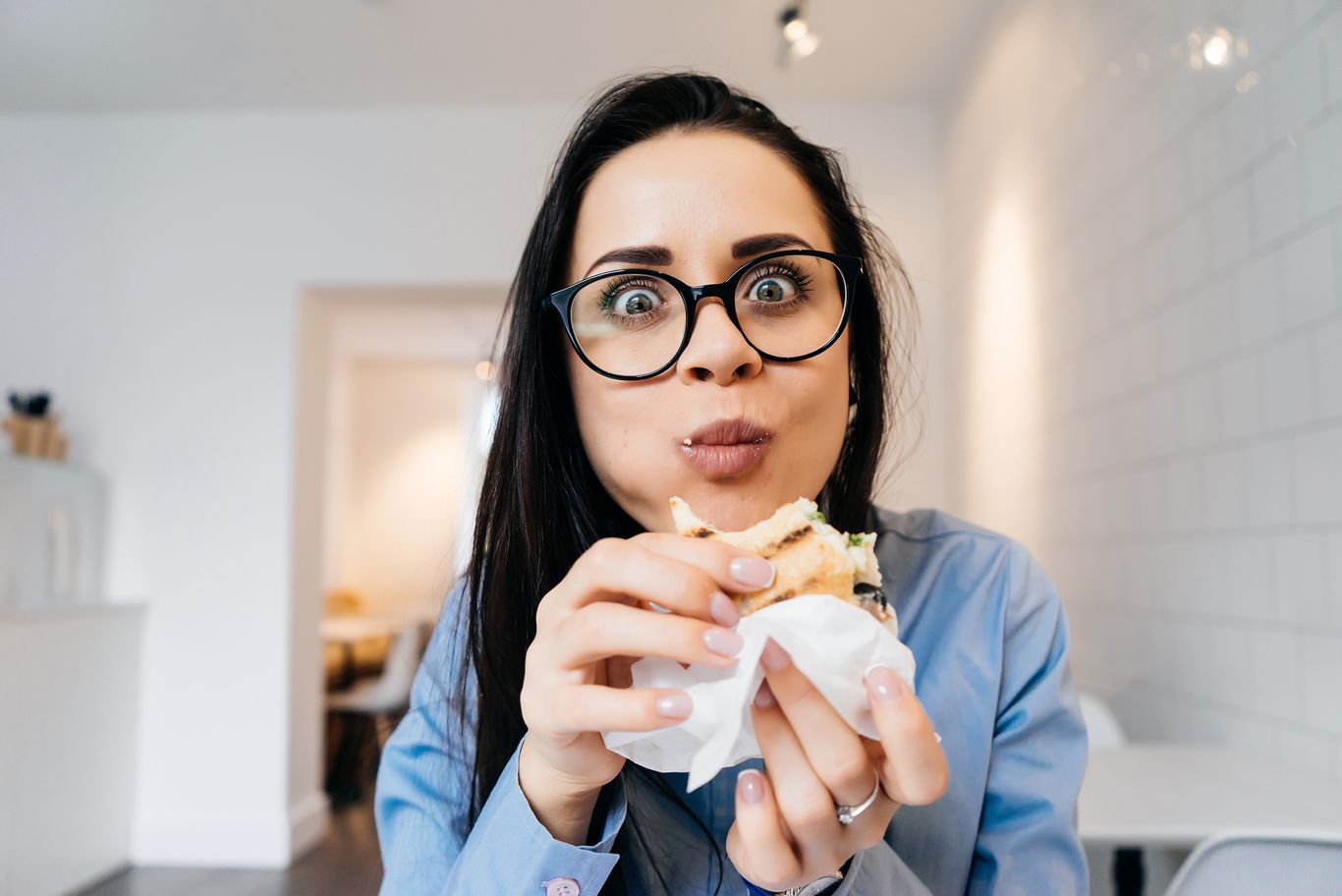
In the 2000s, snacks and fast food became a kind of passport. Global travel increased, the internet made trends visible instantly, and big food companies learned how quickly a new flavor could jump from one country to another. The decade also loved extremes: bigger portions, bolder seasonings, and mashups that blurred the line between a meal and a snack.
Fast food drove many of the era’s most memorable launches. McDonald’s introduced the McGriddles in the United States in 2003, pairing breakfast sausage, egg, or bacon with griddle cakes that included maple flavoring. It was sweet and savory in one hand, a theme that spread across menus worldwide. KFC’s Double Down, first launched in 2009 in several test markets and then in the United States in 2010, captured the end of the decade’s anything-goes spirit by replacing the bun with fried chicken fillets. Taco Bell’s menu innovations also reflected the era’s appetite for portable, layered textures, with items designed to be eaten on the go and photographed long before food photos became routine.
Snack aisles were just as busy. In 2002, PepsiCo introduced Doritos Flamin’ Hot in the United States, adding a spicy, chili-forward punch to a brand already known for intense seasoning. Around the same time, global palates were getting more comfortable with heat, and chip flavors became a way to explore regional tastes without leaving home. Japan’s snack market continued to set the pace for limited editions, with frequent seasonal variations that made collecting flavors part of the fun. Even when a product stayed local, online discussion helped it feel global.
Candy and chocolate also went through a makeover phase. In 2004, Hershey introduced Reese’s Pieces inside a peanut butter cup with Reese’s Pieces Cups, combining two existing products into one new hit. That same year, Nestle launched KitKat Senses in the United Kingdom, offering a richer, more layered version aimed at adults who wanted something closer to a dessert. In the United States, the 2000s were also the decade when you could reliably find candy designed around “extreme” experiences, like sour coatings and spicy twists, reflecting a broader trend toward sensory novelty.
Beverages evolved alongside snacks, often designed to match them. Coca-Cola launched Coca-Cola Zero in 2005, marketed as a zero-sugar cola with a taste positioned closer to classic Coke than diet versions. Energy drinks became mainstream in many markets during this period, with Red Bull expanding aggressively and inspiring a wave of competitors. Convenience stores and vending machines turned into testing grounds for new flavors, from citrus blends to limited-edition colas. The growth of bottled water and flavored waters also signaled changing habits, as people balanced indulgent snacks with drinks that felt lighter.
One of the most interesting parts of 2000s snack culture was how the same idea changed depending on where you bought it. Potato chips might share a brand name across countries but feature locally familiar seasonings, like seaweed, curry, or roast chicken. Chocolate bars could vary in cocoa content, sweetness, and even texture based on regional preferences and ingredient sourcing. Fast-food “signature” sauces often shifted to match local spice levels or flavor profiles.
The decade’s biggest snack hits succeeded because they were memorable and easy to share, whether through a lunchbox trade, a late-night drive-thru run, or a friend bringing back a suitcase full of imports. The 2000s proved that when a product delivers a clear, bold idea, it can travel fast and become part of everyday life far from where it started.
Up next in Pop Culture & Entertainment
All 12 Pop Culture & EntertainmentNew
Celebrity Snack and Soda Ads of the 2000s
 Pop Culture & EntertainmentNew
2000s Snack Aisle Fact Check
 Pop Culture & EntertainmentNew
Drive-Thru Eats and Candy Aisle Treats
 Pop Culture & EntertainmentNew
Catchphrases That Ruled the 2000s
 Pop Culture & EntertainmentNew
Catchphrases That Defined the 2000s
 Pop Culture & EntertainmentNew