 MusicQ1
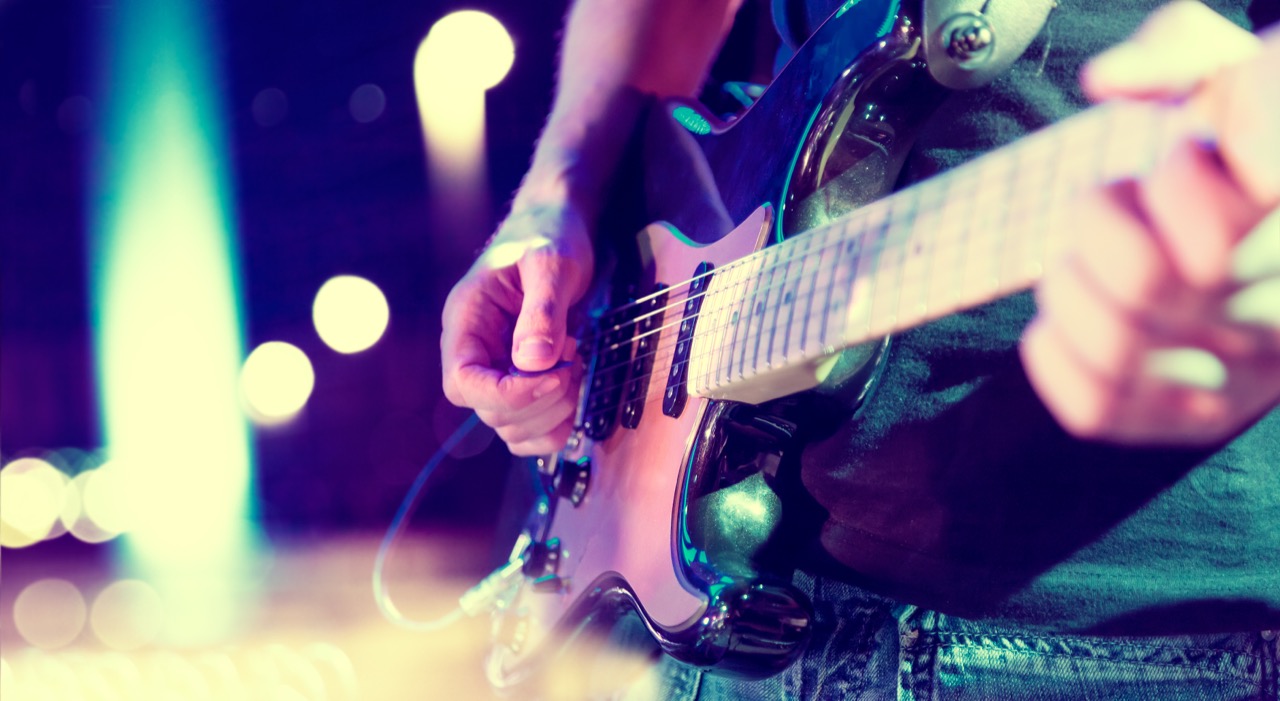
In standard tuning, what is the interval between most adjacent strings on a 6-string electric guitar (ignoring the G to B exception)?
 MusicQ2
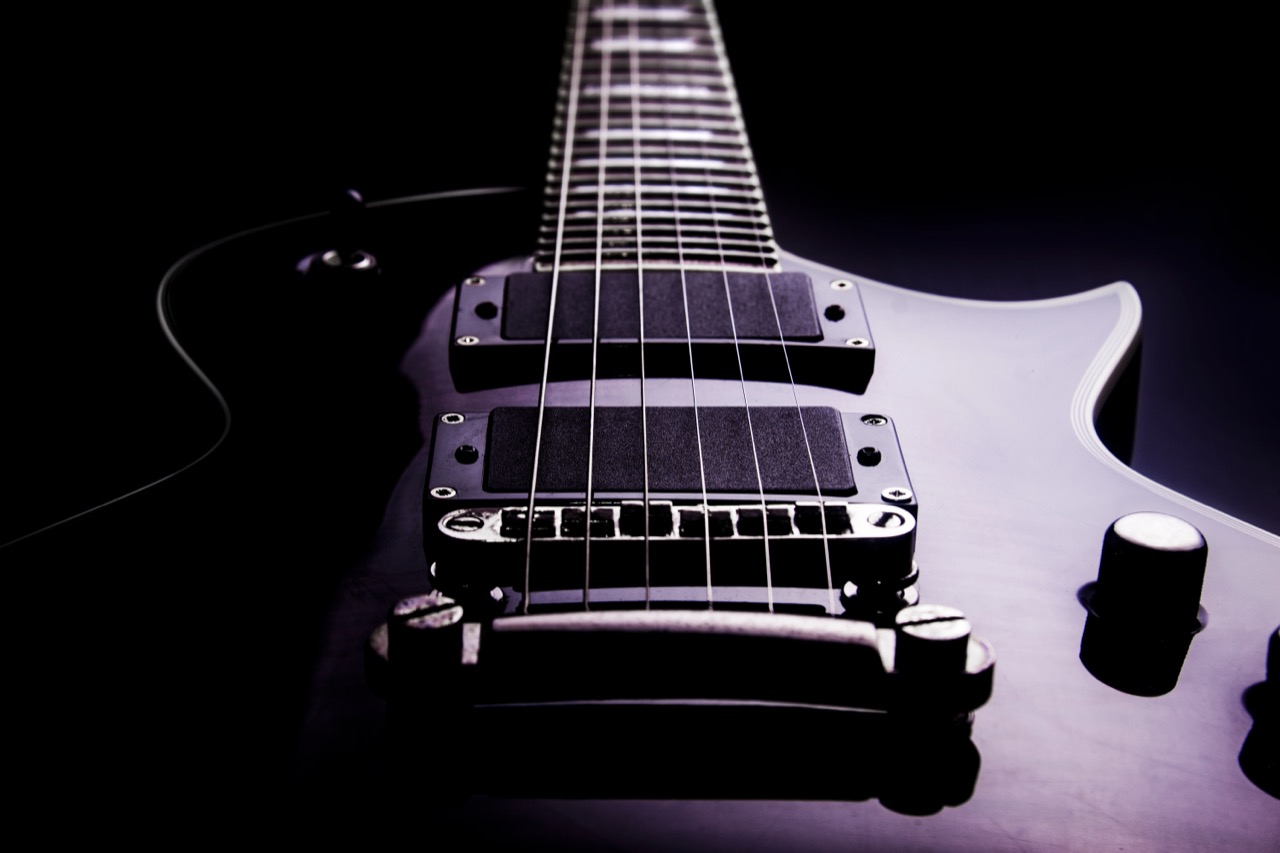
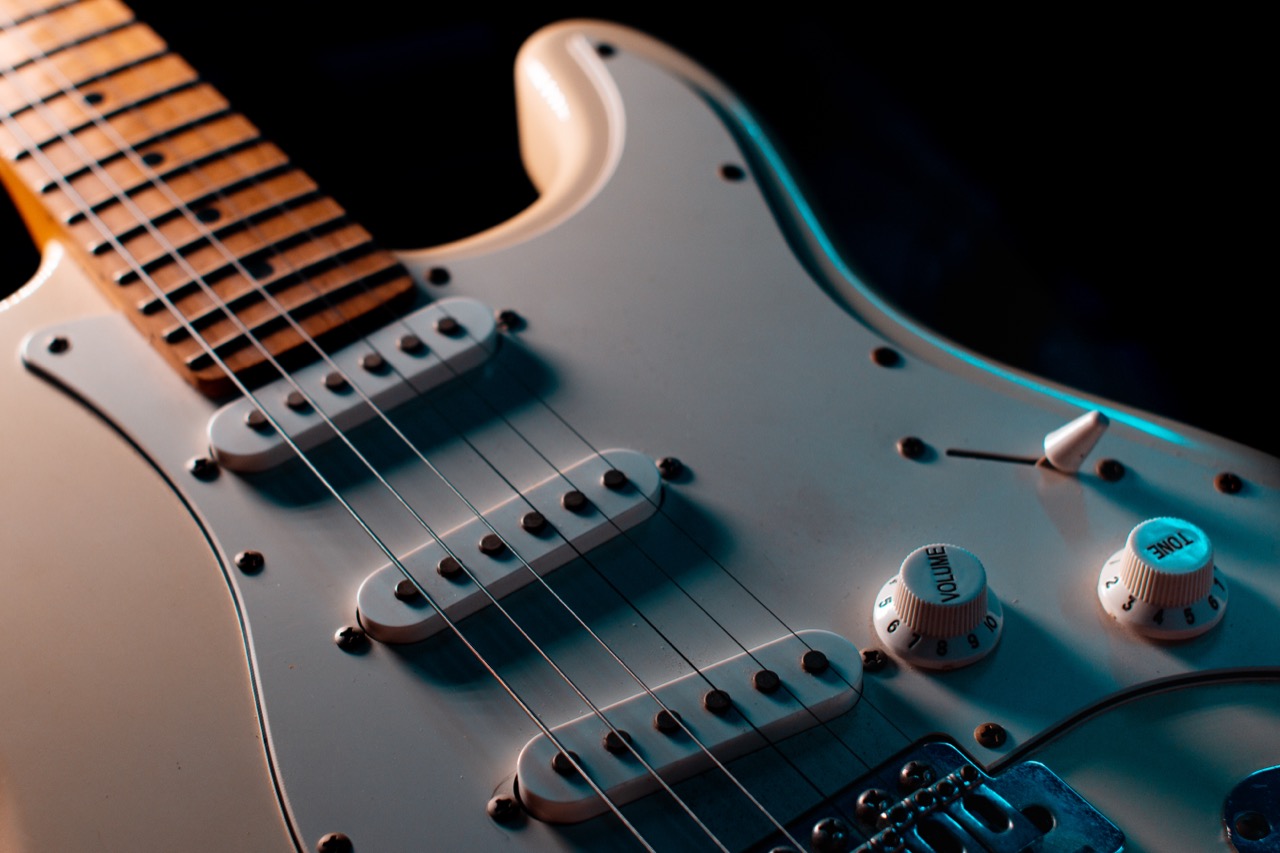
On a typical electric guitar, how many frets are commonly found on many 2000s-era Stratocaster-style and Telecaster-style models?
 MusicQ3
Which Paramore album released in 2007 included the hit "Misery Business" and helped push pop punk into the late-2000s mainstream?
 MusicQ4
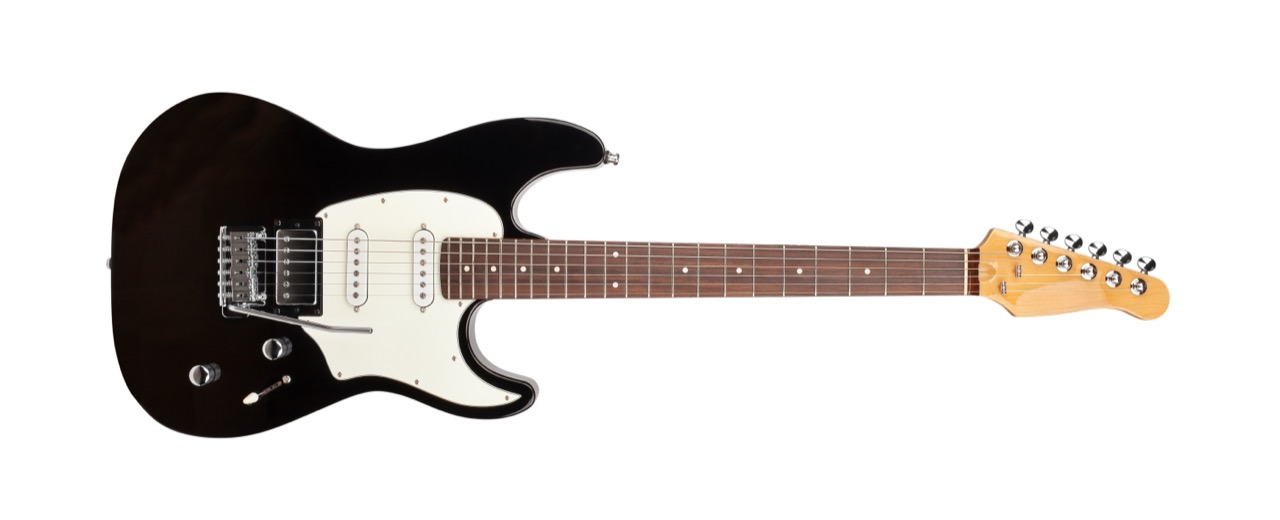
What is the typical number of strings on the standard electric guitar used across most 2000s pop punk and emo recordings?
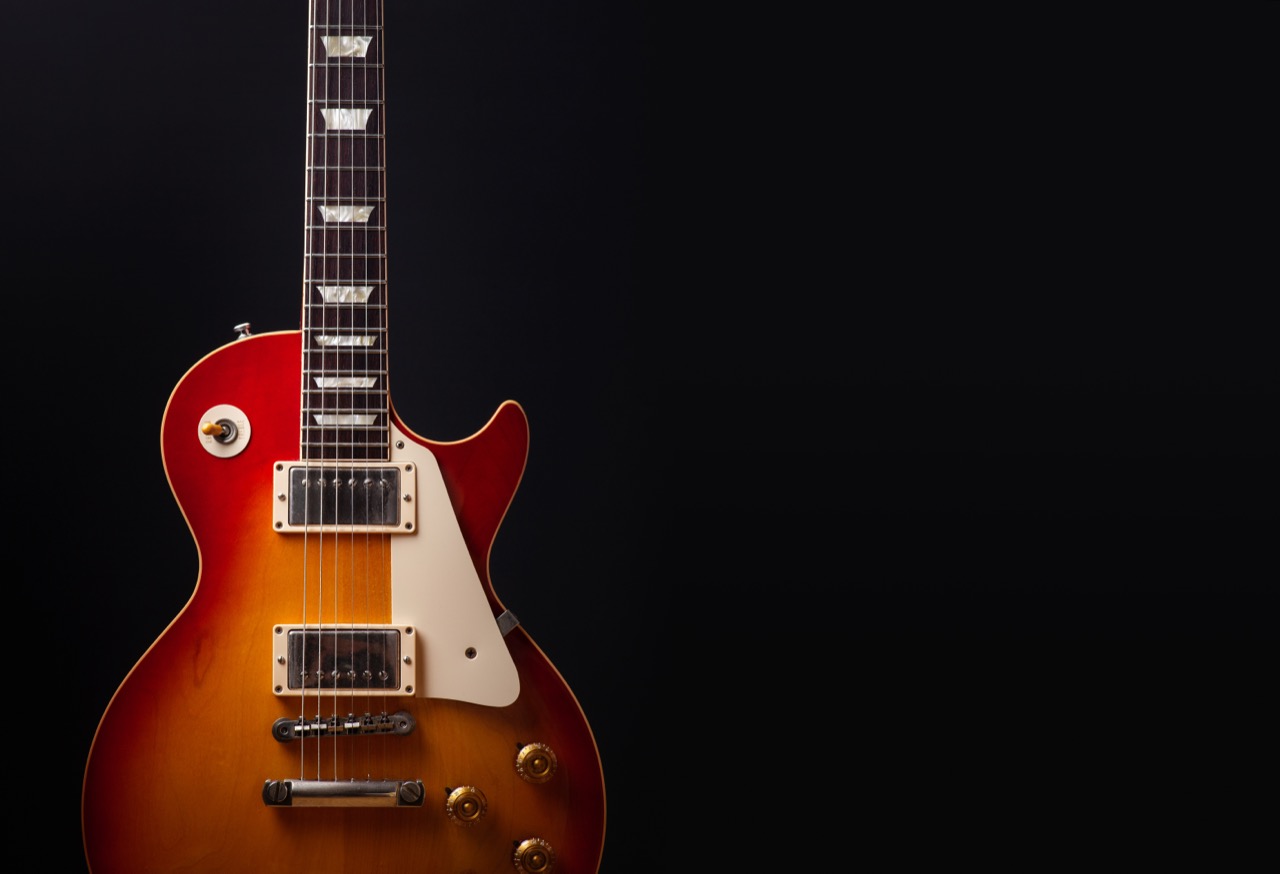 MusicQ5
Which Fall Out Boy album released in 2005 featured the breakout single "Sugar, We’re Goin Down"?
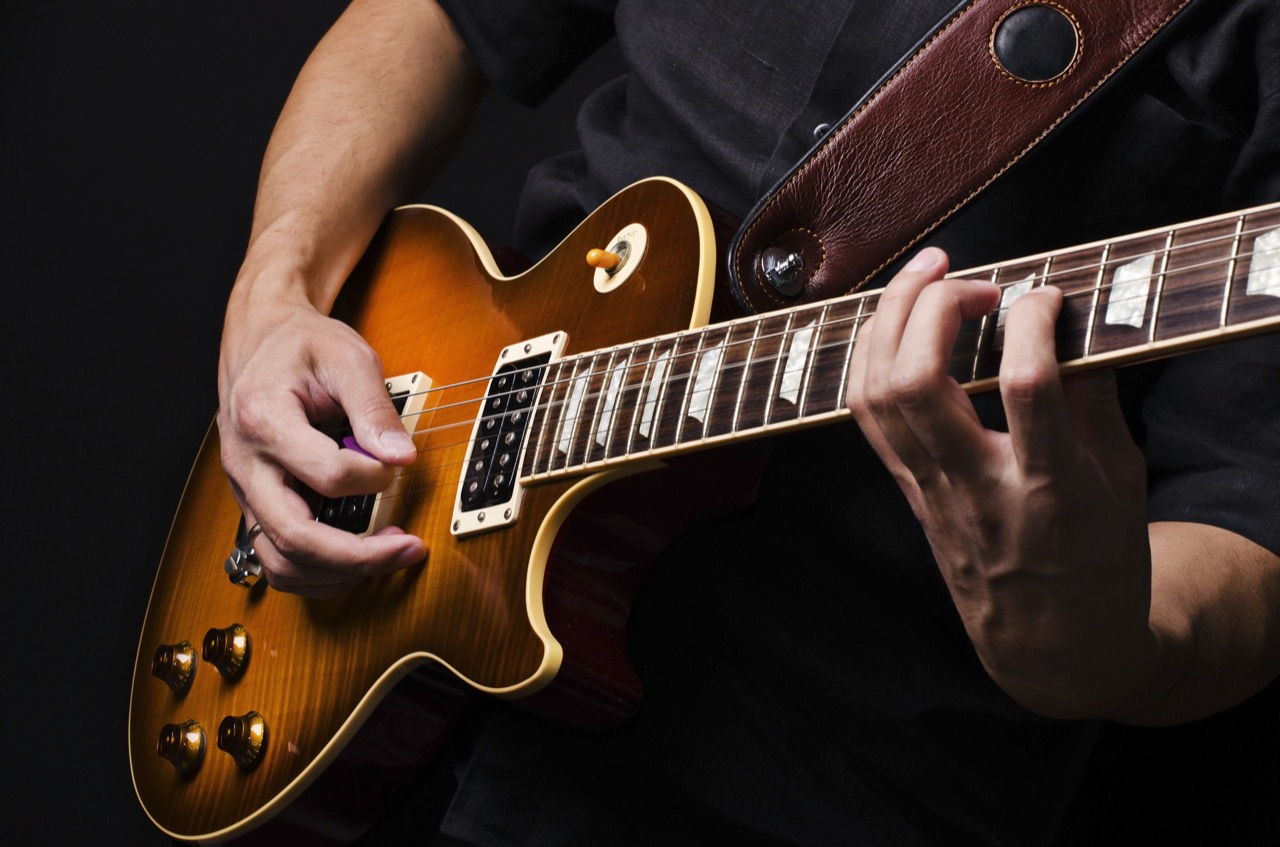 MusicQ6
Which band released the 2004 album "Three Cheers for Sweet Revenge," a key commercial breakthrough for 2000s emo rock?
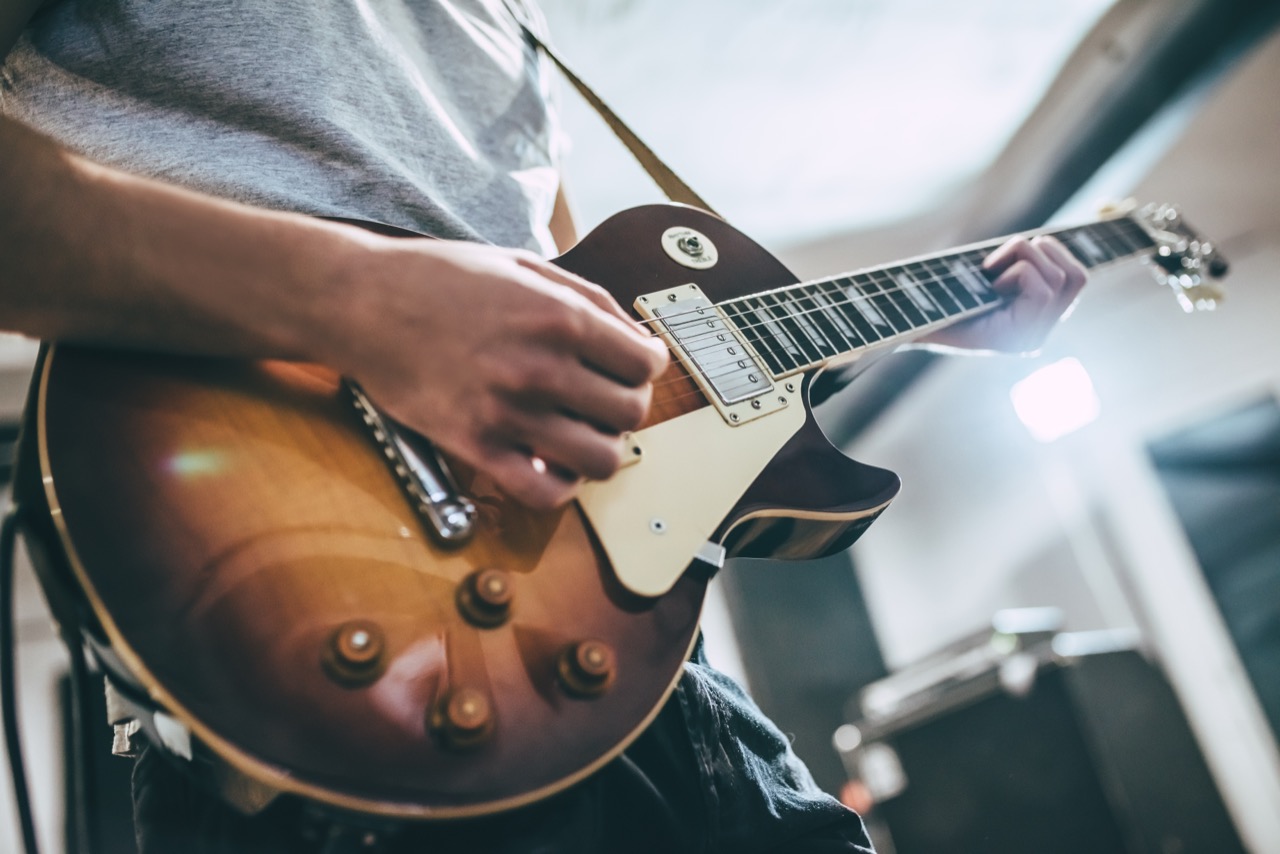 MusicQ7
Which Green Day album, released in 2004, topped the Billboard 200 and went multi-platinum in the U.S.?
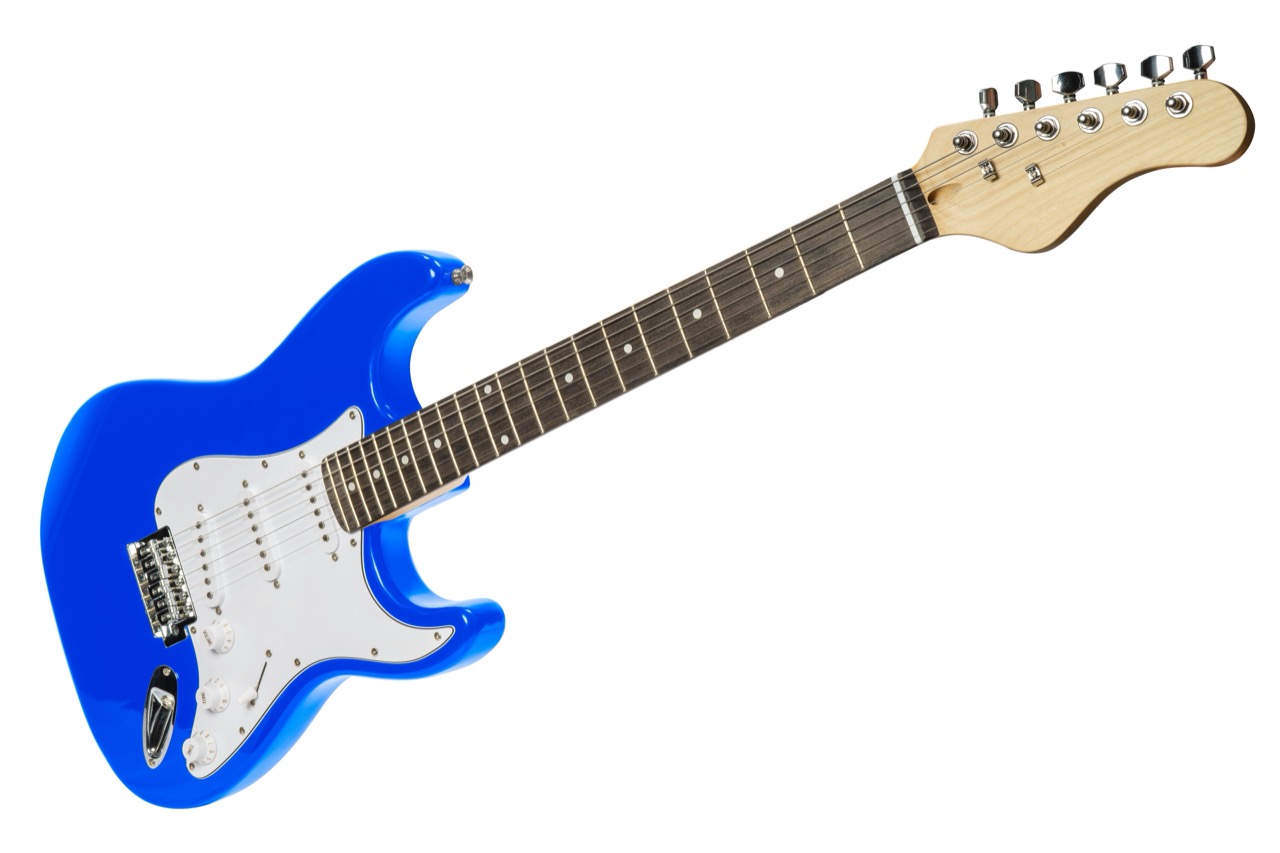 MusicQ8
Which annual touring festival, strongly associated with pop punk and emo in the 2000s, began in the mid-1990s and became a key summer circuit?
 MusicQ9
Which band’s 2003 album "Fallen" included the hit singles "Bring Me to Life" and "My Immortal" and sold millions worldwide?
 MusicQ10
Which band released the 2002 album "Tell All Your Friends," a landmark release for early-2000s emo and pop punk crossover?
 MusicQ11
Which Linkin Park album released in 2000 became one of the best-selling debut albums of the 21st century?
 MusicQ12
Which My Chemical Romance album (2006) includes the song "Welcome to the Black Parade" and achieved major chart success?
The Numbers That Powered 2000s Guitar Anthems
The 2000s felt like an endless parade of big choruses and bigger emotions, but the decade’s guitar anthems were also built on numbers that quietly shaped what you heard on the radio, on MTV, and through cheap earbuds. If you look behind the power chords, you find a story told in chart positions, sales totals, tempos, tunings, and studio settings that helped define pop punk, emo, and radio rock.
Commercially, the era was a bridge between physical and digital. Early in the decade, first week sales could still be massive for guitar bands, and platinum certifications were a realistic target for mainstream acts. As iTunes and later streaming shifted listening habits, the definition of a hit changed from album dominance to single longevity and playlist presence. A lot of signature songs didn’t just peak high, they stayed visible for weeks, helped by music video rotation and the way fans replayed tracks while learning them on guitar. Those burned CDs and iPod libraries were a kind of informal metric too: if a song made every friend’s mix, it was effectively a hit even before the official numbers caught up.
Tempo is one of the most revealing stats of the decade. Pop punk often lived in the fast lane, with many staples sitting in the high 160 to 200 beats per minute range, fast enough to feel like a sprint but steady enough for tight palm muting. Emo and alternative rock frequently pulled back to the 120 to 160 range, leaving space for vocal phrasing and dynamic builds. Producers used the metronome not just to keep time, but to control energy. A chorus that jumps a few BPM can feel like the room gets brighter, while a slightly slower verse can make lyrics land harder.
Tuning and key choices were another set of numbers that mattered. Standard tuning never disappeared, but drop tunings became a fast route to heavier impact and easier power chord movement. Drop D was common because it offered a thicker low end without forcing a full retune, while bands looking for an even darker sound often went to D standard or drop C. That one or two step drop changes the entire emotional temperature of a riff, and it also affects how a guitar sits against bass and kick drum. Many anthems were written around chord shapes that felt good under the fingers in those tunings, which is why so many songs are instantly recognizable even when played acoustically.
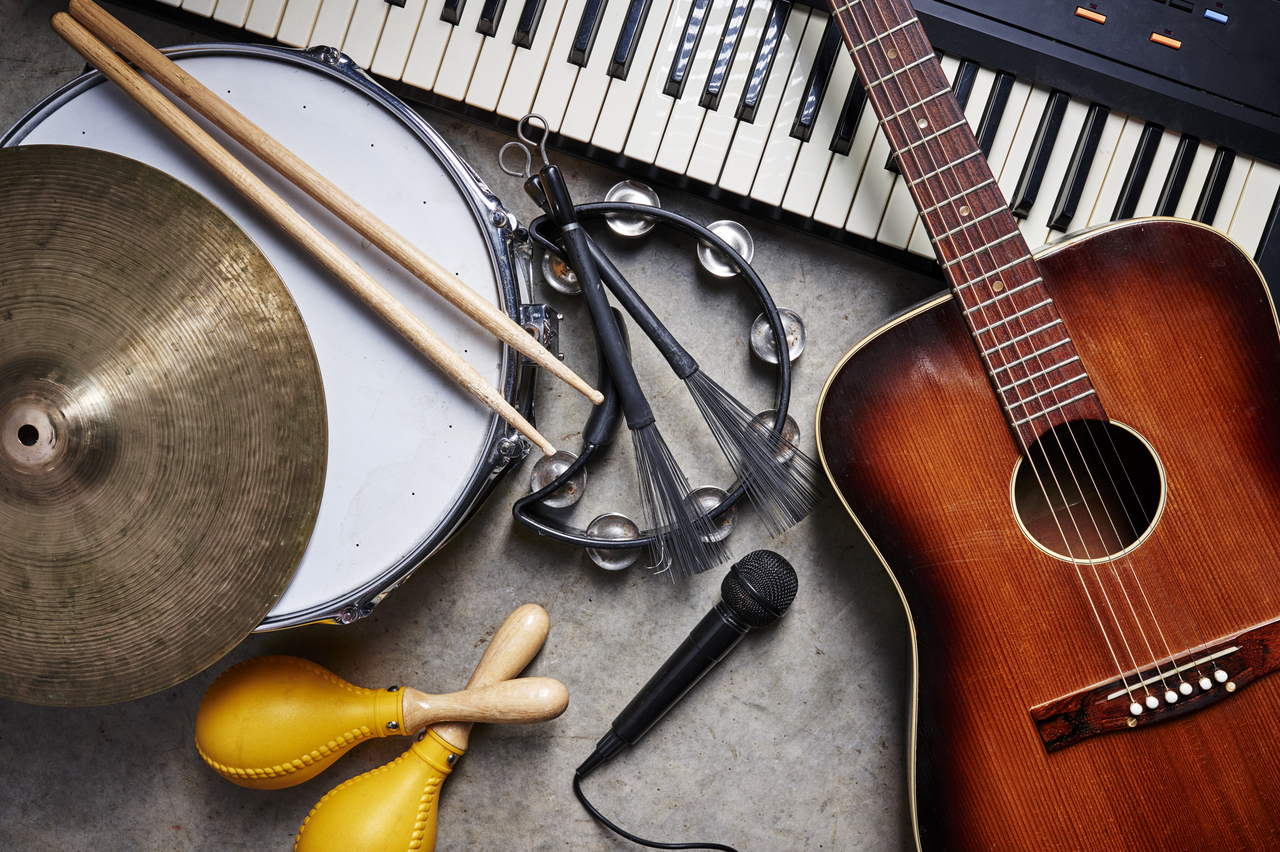
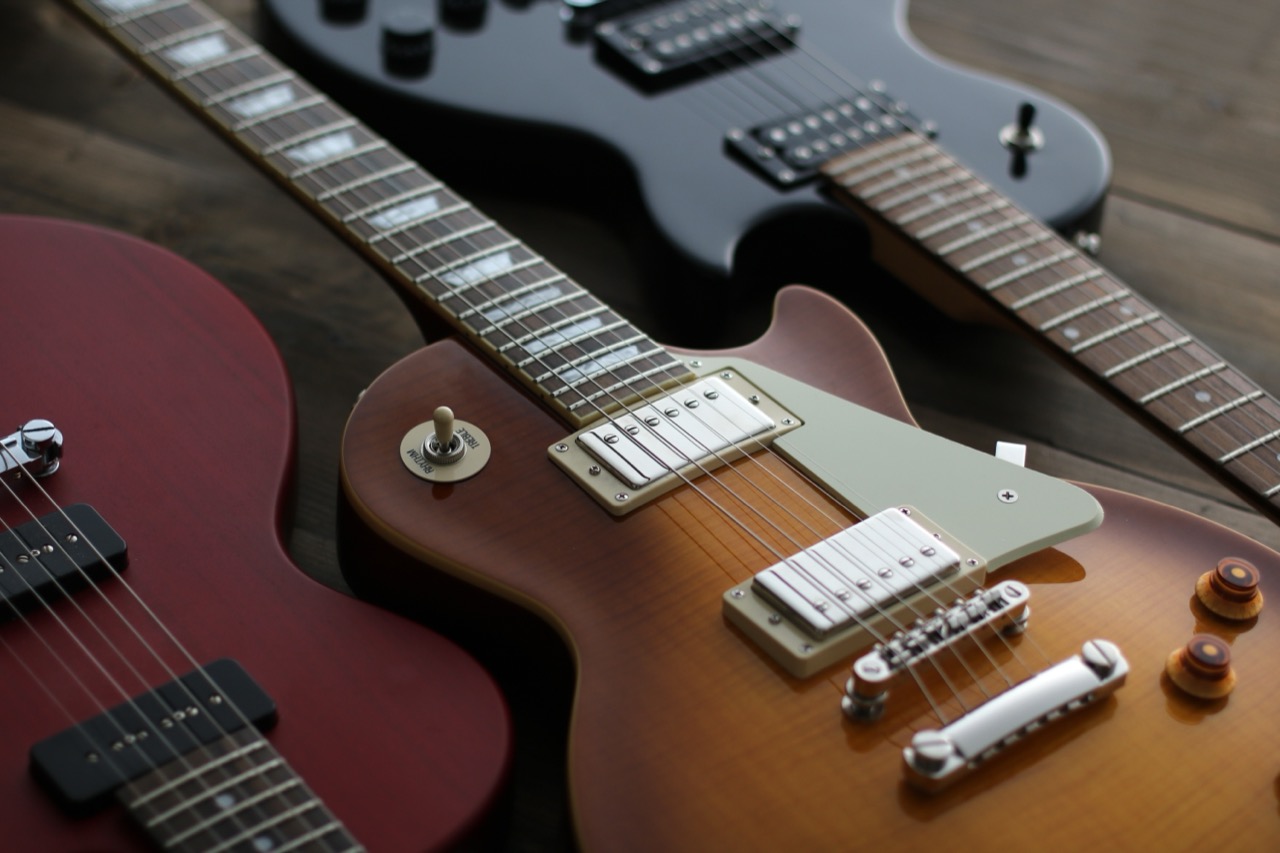
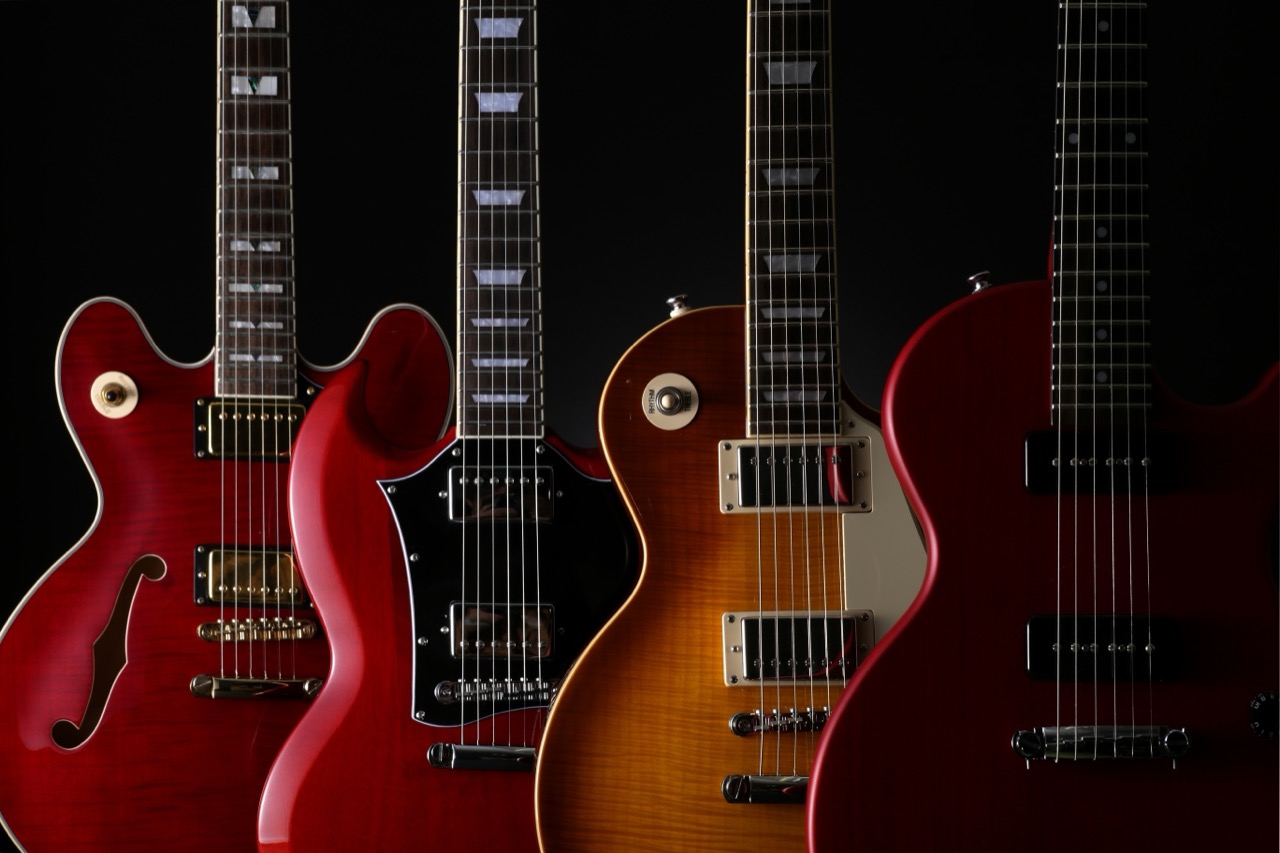
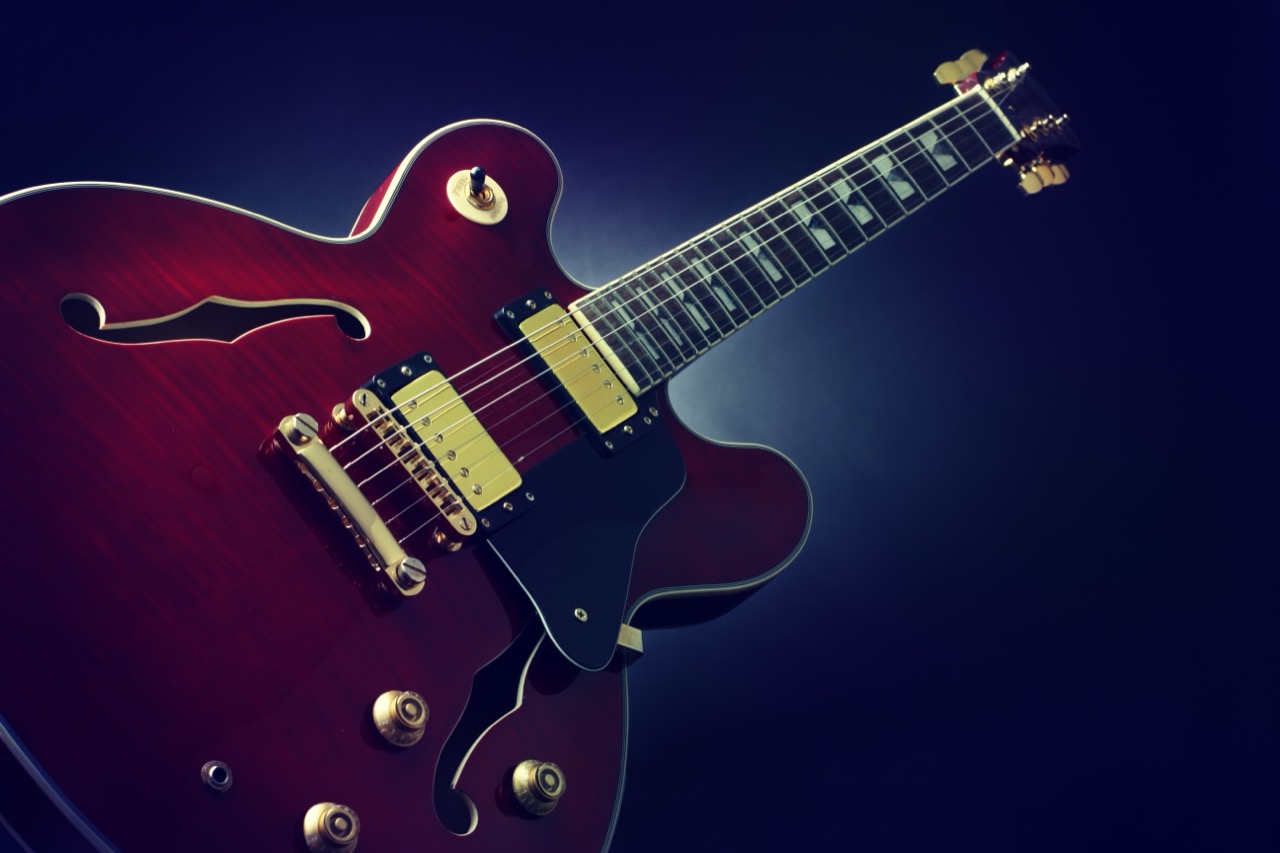
Gear facts have their own kind of math. The 2000s favored guitars with humbucker pickups for punch and noise control, and certain models became visual shorthand for the scene. You saw a lot of mahogany bodied single cuts and double cuts, hot rodded superstrats, and offset shapes that looked a little rebellious even before the first note. Pickup output, measured in part by how hard it drives an amp, influenced the decade’s saturated rhythm tone. Amp settings were practically a formula: enough gain for sustain, but not so much that fast chord changes turned to mush. Pedals added another layer, with overdrives tightening the low end, delays widening lead lines, and chorus effects giving clean parts that glossy, late night feeling.
Studio technique also came down to counts and layers. Double tracking rhythm guitars, recording the same part twice and panning left and right, was a standard trick to make choruses feel enormous. Some productions went further with quad tracking, stacking four takes for extra thickness, though it demanded tight playing to avoid a blurry sound. Vocal production got more precise too, with multiple harmony stacks and careful tuning that made hooks feel almost architectural. Even drum sounds were engineered by numbers, with sample reinforcement used to keep kicks and snares consistent hit to hit, especially at higher tempos.
Then there’s the timeline math of the culture itself: the rise of Warped Tour as a pipeline, the MTV countdown era fading into online premieres, and the shift from magazines to social media as the place where bands broke. The 2000s guitar anthem wasn’t just a feeling, it was a set of measurable choices. When you notice the BPM, the tuning, the tracking layers, and the sales context, you start to hear why those riffs hit so hard and why, years later, they still feel like they belong at full volume.