 MusicQ1
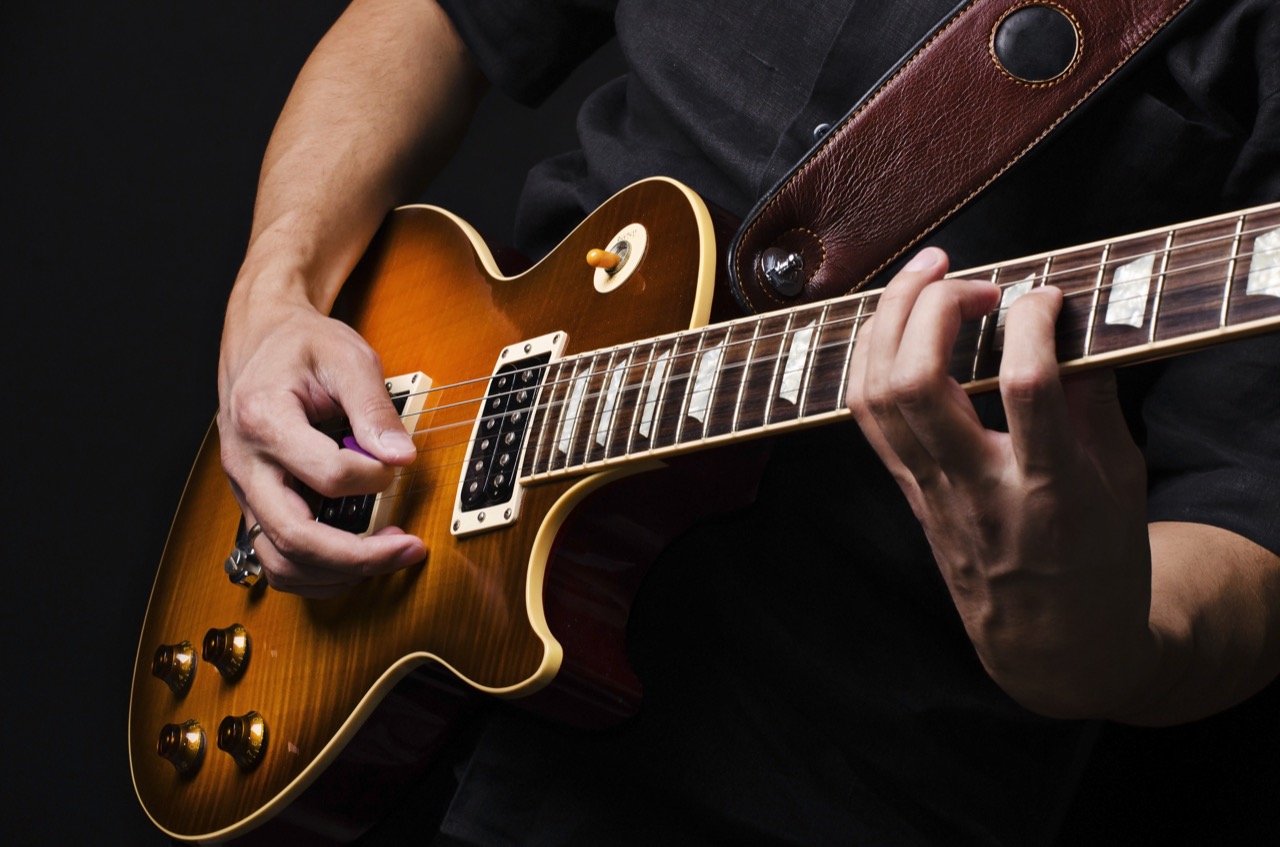
Which band had a massive 2003 hit with "Seven Nation Army," built around an iconic riff often chanted at sporting events worldwide?
 MusicQ2
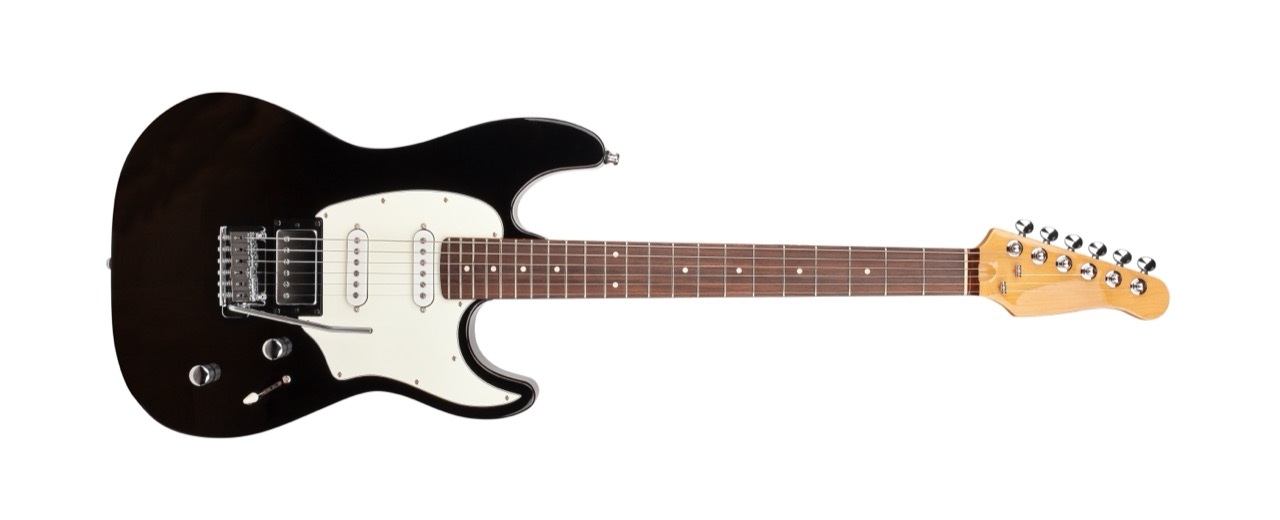
Which indie rock band released "Is This It" in the early 2000s, often cited as a key spark for the decade’s garage-rock revival?
 MusicQ3
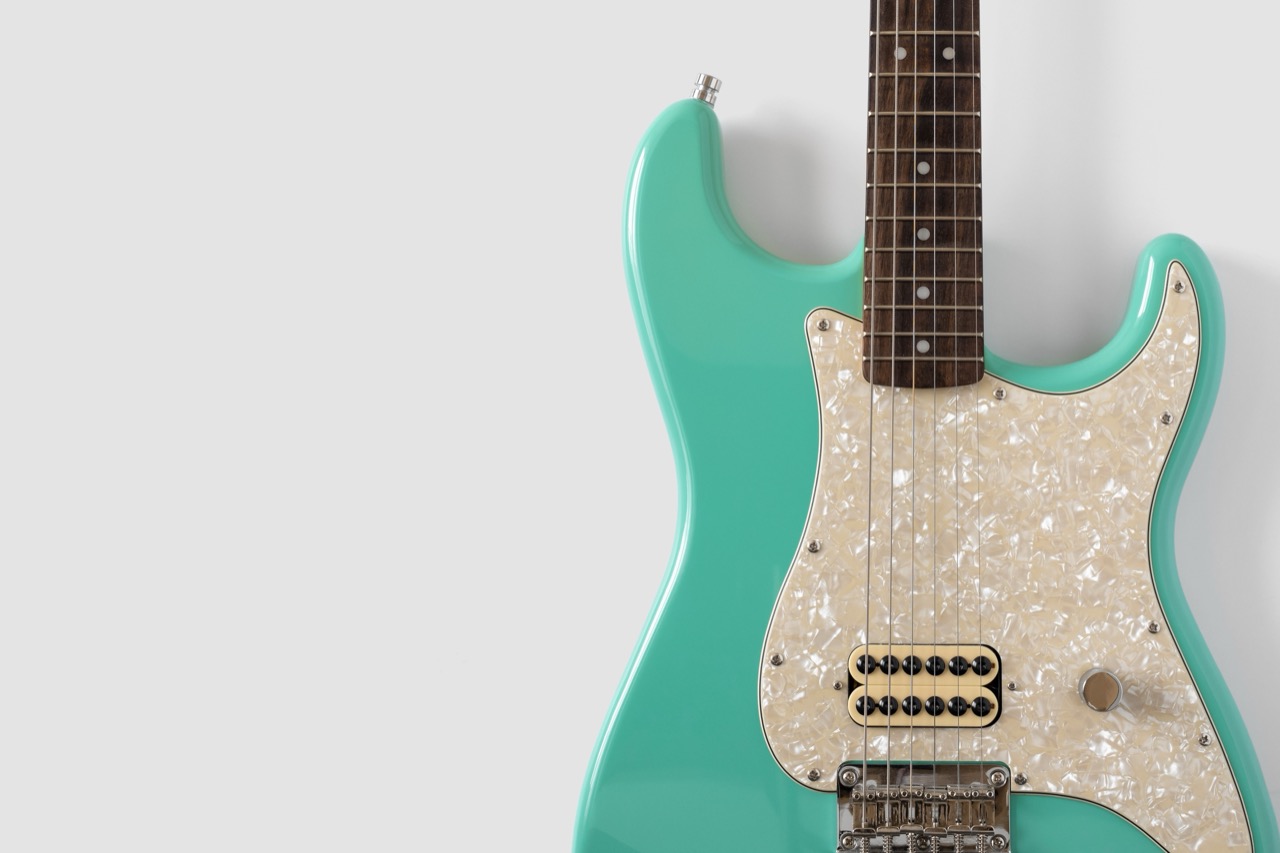
Which band’s 2005 album "From Under the Cork Tree" helped push pop punk and emo into mainstream pop culture with songs like "Sugar, We’re Goin Down"?
 MusicQ4
Which band’s 2005 debut album "All We Know Is Falling" introduced their pop punk and emo-leaning sound before they broke bigger later in the decade?
 MusicQ5
Which annual traveling festival, launched in 1995 but culturally synonymous with 2000s pop punk and emo lineups, helped break many scene bands?
 MusicQ6
Which band released the 2004 album "Hot Fuss," featuring guitar-forward singles like "Mr. Brightside" and "Somebody Told Me"?
 MusicQ7
Which emo band released "Three Cheers for Sweet Revenge" in 2004, featuring the singles "I’m Not Okay (I Promise)" and "Helena"?
 MusicQ8
Which Long Island band released the 2006 album "The Devil and God Are Raging Inside Me," a landmark in emo and alternative rock songwriting?
 MusicQ9
Which pop punk band's 2001 album "Take Off Your Pants and Jacket" followed their breakout "Enema of the State" and helped define early-2000s guitar radio?
 MusicQ10
Which band’s 2004 album "American Idiot" is a rock opera that revitalized their career and spawned the title track and "Boulevard of Broken Dreams"?
 MusicQ11
Which band released the 2002 album "Songs for the Deaf," famous for its guitar-driven desert-rock sound and the single "No One Knows"?
 MusicQ12
Which pop punk band released the 2001 album "All Killer No Filler," featuring "Fat Lip" and "In Too Deep"?
Amplifiers and Angst: The Sound and Culture of 2000s Guitar Music
The 2000s were a peak era for guitar-driven music in the mainstream, when big choruses and loud amps could still dominate radio and TV while the internet quietly rewired how scenes formed. Pop punk, emo, post-hardcore, and indie rock all shared space in the same burned CD binders, and a lot of listeners learned the difference between bands as much by tone and tuning as by lyrics. If the 1990s made alternative rock a broad category, the 2000s turned it into a set of recognizable dialects: tight palm-muted verses exploding into open-chord hooks, octave leads that sounded like sirens, and clean arpeggios drenched in delay.
A huge part of the decade’s identity came from production. Producers like Jerry Finn helped define the polished, punchy pop punk template, where guitars were layered for width and clarity without losing aggression. On the heavier side, modern metal and post-hardcore tones got tighter and more percussive, with high-gain amps shaped by noise gates and precise editing. Even bands that sounded raw often benefited from meticulous studio work, making records that were both emotionally messy and sonically controlled.
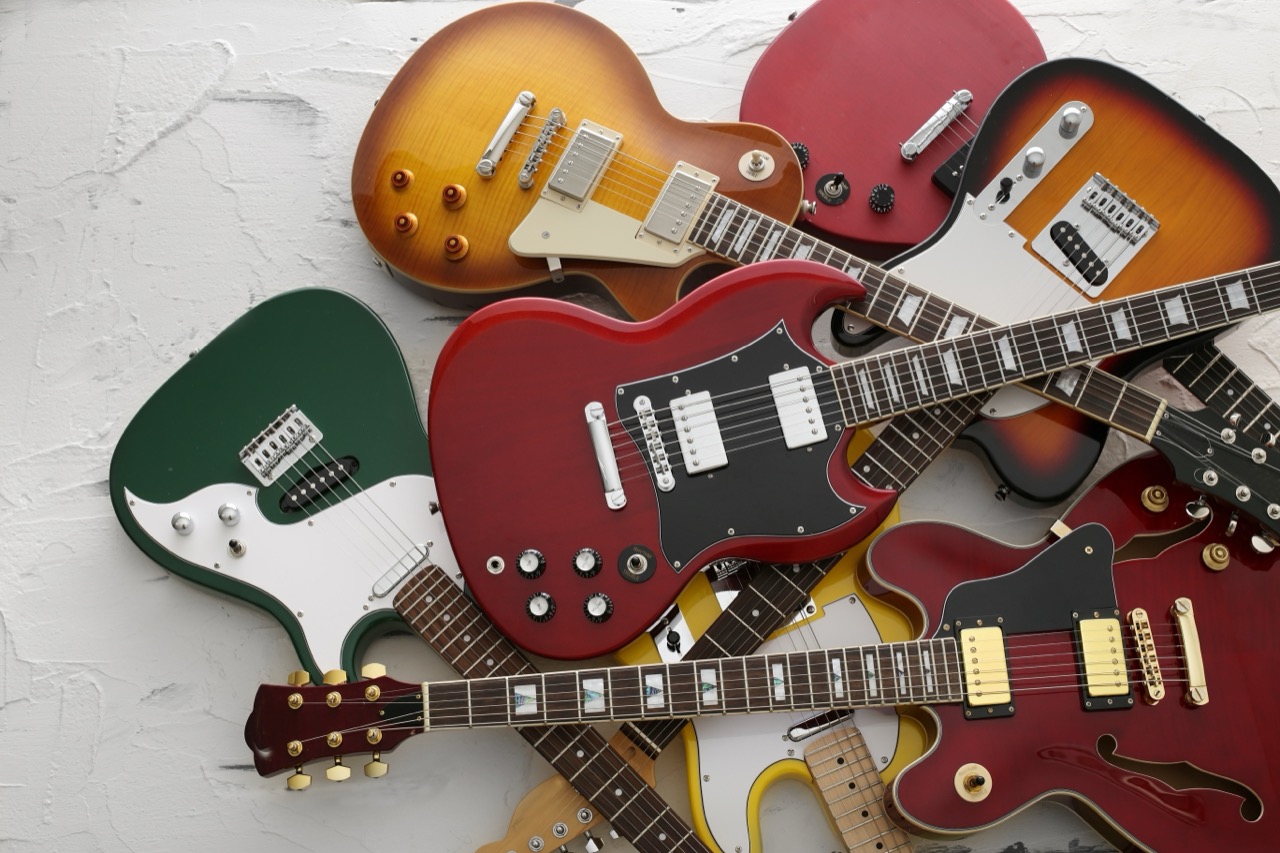
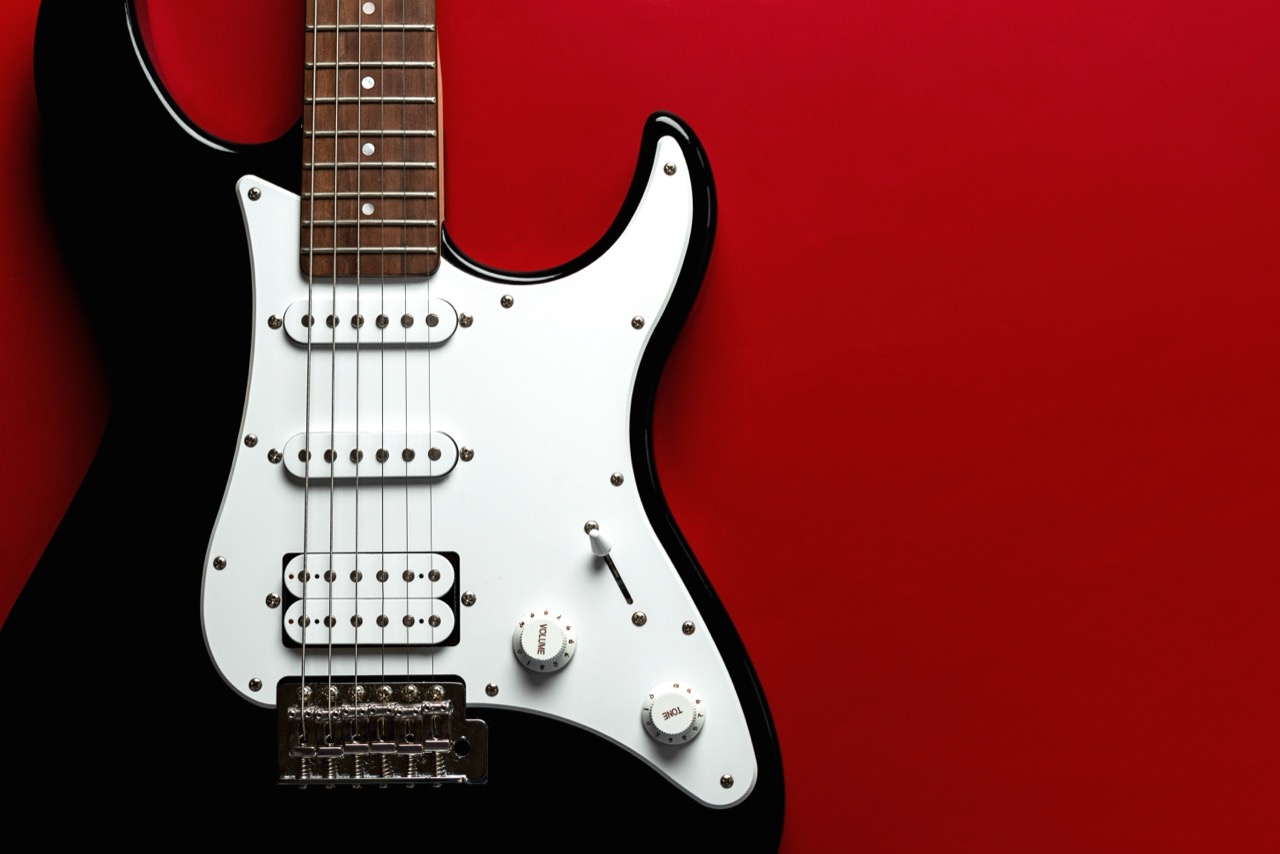
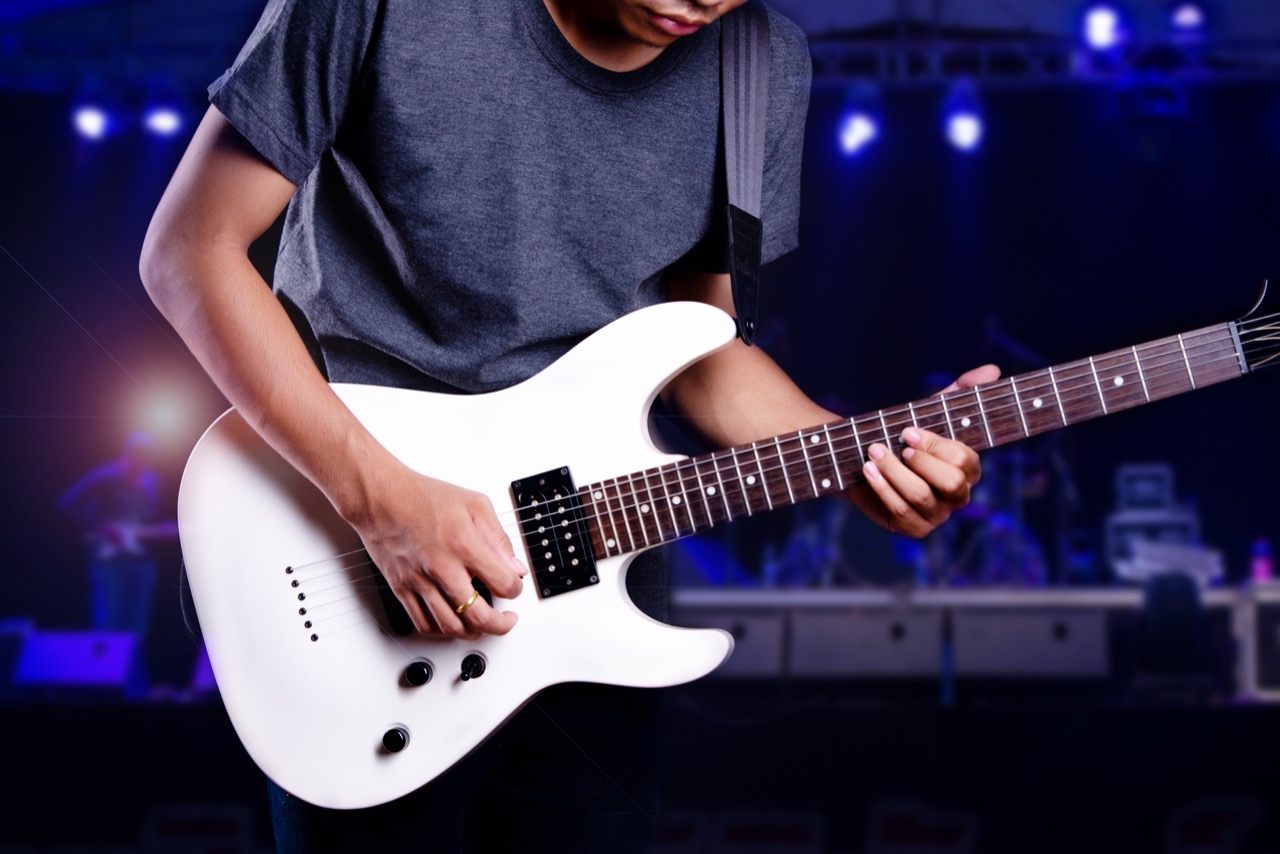
Gear choices became cultural signals. A humbucker-equipped guitar through a cranked high-gain amp suggested one lineage, while single-coils through a bright clean channel suggested another. Pedals were not just effects but identity tools: overdrive for bite, chorus for glossy width, phaser for movement, and delay to turn a simple riff into atmosphere. The rise of affordable multi-effects units and amp modelers meant more players could approximate record tones at home, which mattered in an era when bedroom practice and early social platforms helped spread covers, tabs, and demos.
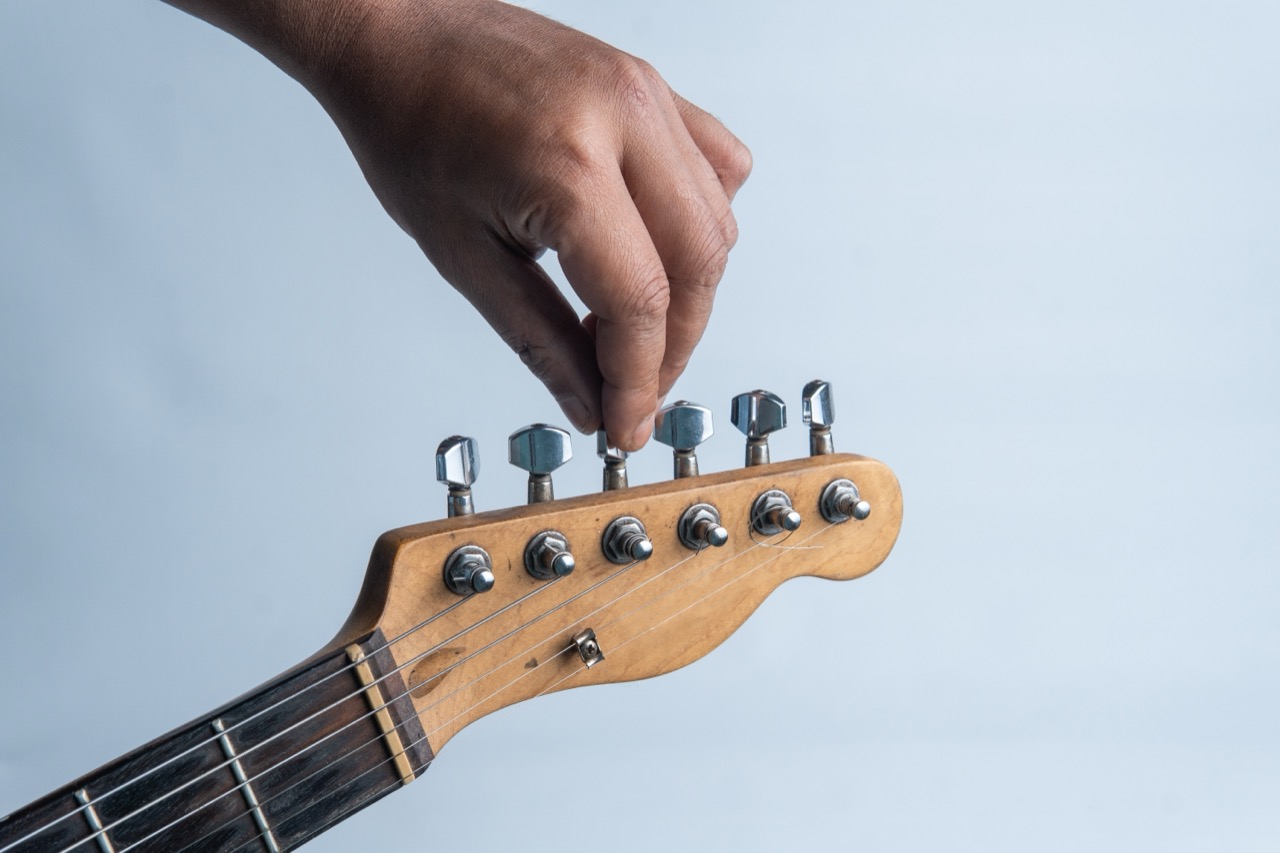
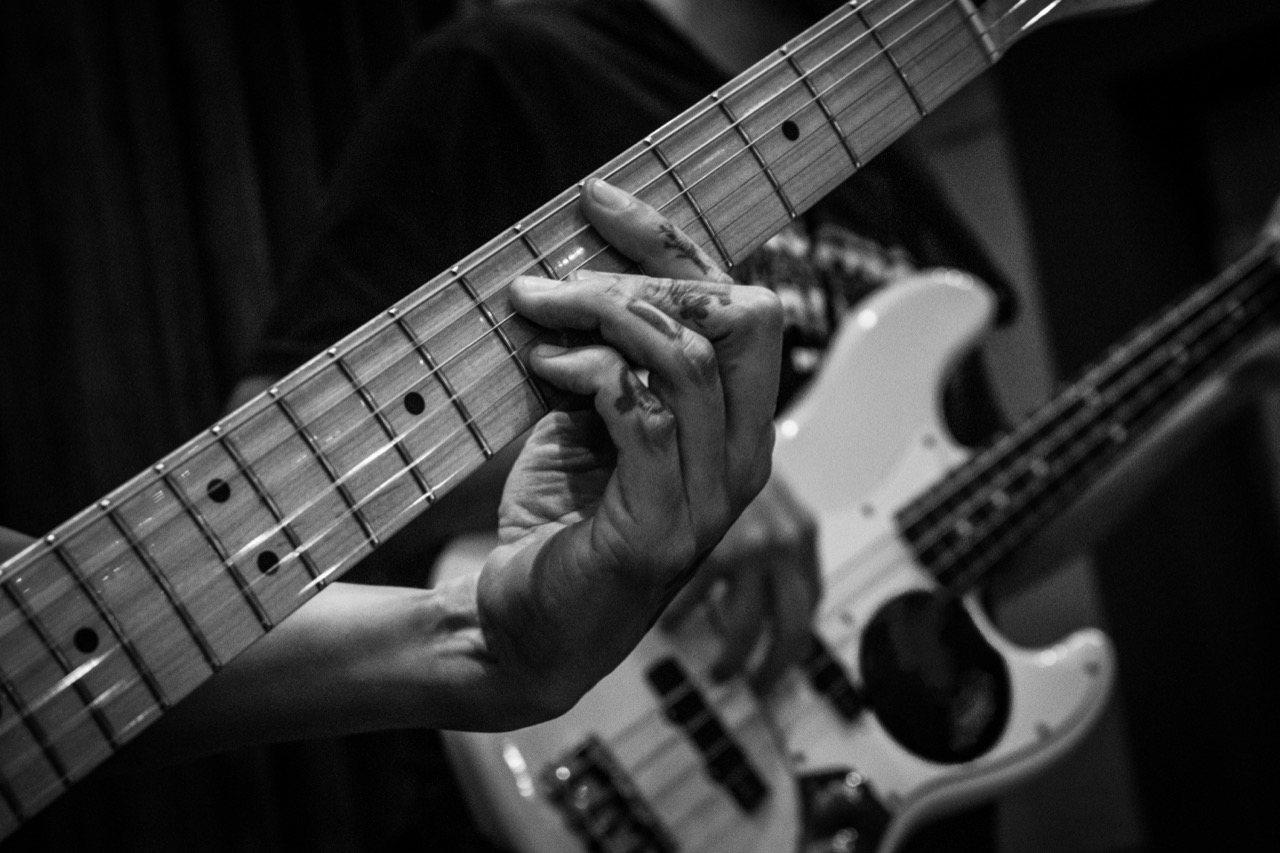
Tunings were another shortcut to a band’s sound. Drop D stayed popular for chunky power chords with one-finger shapes, while drop C and other lower tunings pushed guitars into a heavier register without requiring seven strings. Emo and alternative bands often used open chords and ringing voicings to create a sense of space, then contrasted them with tight, muted rhythms. Many guitarists built their entire writing style around how a tuning made certain chord shapes fall under the fingers.
Culturally, the 2000s were defined by how quickly local scenes could become global. Warped Tour acted like a moving festival ecosystem where fans discovered new bands daily, and where merch tables and compilation CDs were as important as the main stage. MTV, video games, and skate videos put guitar riffs in front of huge audiences, and a single music video could turn a regional act into a household name. At the same time, file sharing, message boards, and early social sites let fans trade deep cuts, live recordings, and gear rumors, building a shared vocabulary of tones and brands.
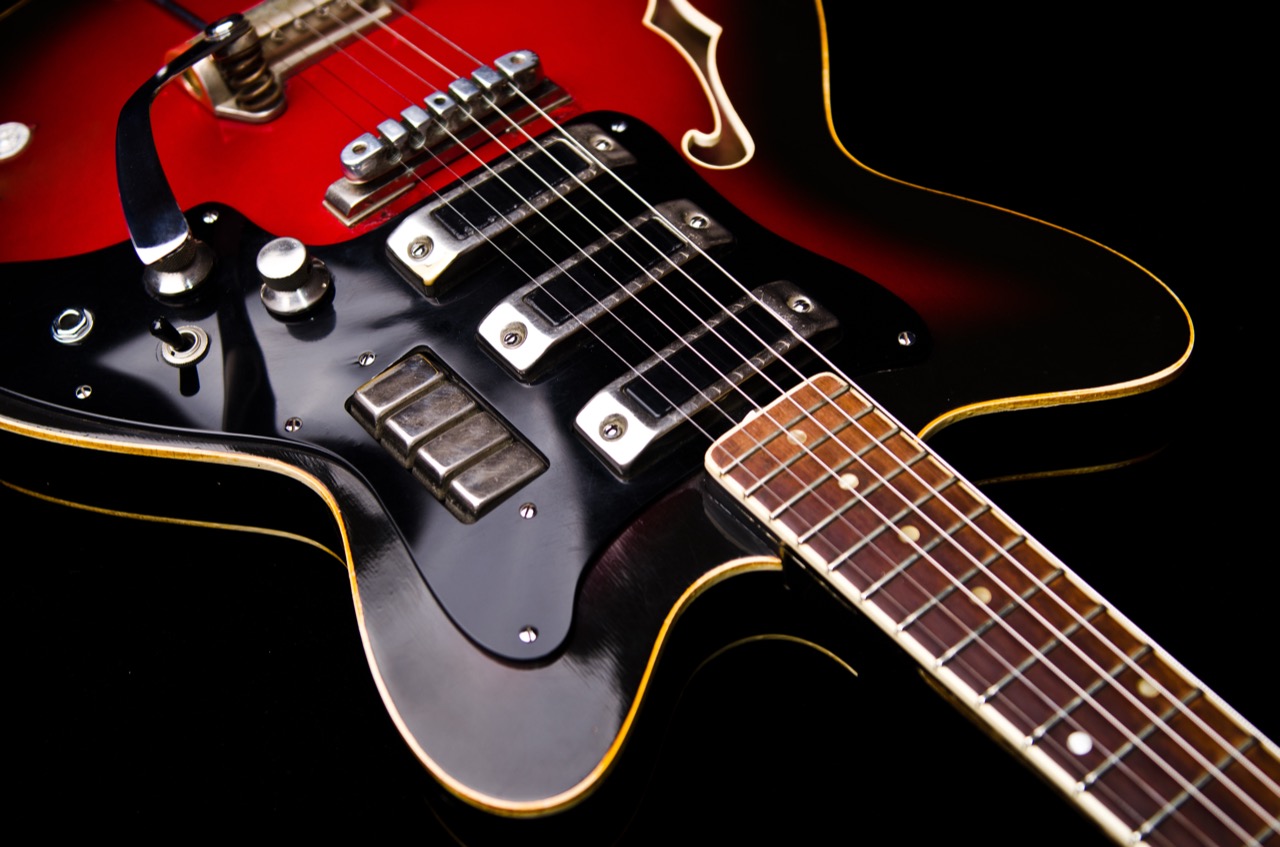
Signature guitars and artist associations also mattered more than ever. Certain offsets, semi-hollows, and hot-rodded superstrats became visual shorthand for specific subgenres, and players noticed details like pickup types, bridge styles, and even string gauges. The decade’s guitar heroes were not only shredders but songwriters who could make a simple melody feel urgent, turning a few well-placed notes into a hook that carried stadium choruses.
What makes 2000s guitar music so quiz-friendly is how distinctive its fingerprints are. You can often identify a band by the way the guitars sit against the drums, the kind of reverb on the clean parts, or the way a chorus opens up from tight mutes to wide-open strums. Behind the angst and the singalongs was a real education in sound: how equipment, production, and playing approach combine to create a scene, and how a generation learned to speak through six strings.