 Internet CultureQ1
Hashtags were popularized on Twitter starting in 2007, originally proposed by which user?
 Internet CultureQ2
Google acquired YouTube in 2006 for approximately how much?
 Internet CultureQ3
Which company originally created AOL Instant Messenger (AIM)?
 Internet CultureQ4
In 2006, Facebook introduced what major feature that organized updates from friends into a constantly updating stream?
 Internet CultureQ5
In 2007, Facebook introduced what platform initiative that let outside developers build apps and games for Facebook?
 Internet CultureQ6
MSN Messenger was later rebranded under what name in 2005?
 Internet CultureQ7
In what year was MySpace founded?
 Internet CultureQ8
Facebook first launched in 2004 under what original name?
 Internet CultureQ9
What year did Facebook begin rolling out access beyond colleges to the general public (age 13+ with an email address)?
 Internet CultureQ10
MySpace was acquired by News Corporation in 2005 for about how much?
 Internet CultureQ11
What year did Twitter launch to the public?
 Internet CultureQ12
In what year did YouTube launch?
Ping Pops and Profile Pages: How the 2000s Social Web Invented Modern Online Life
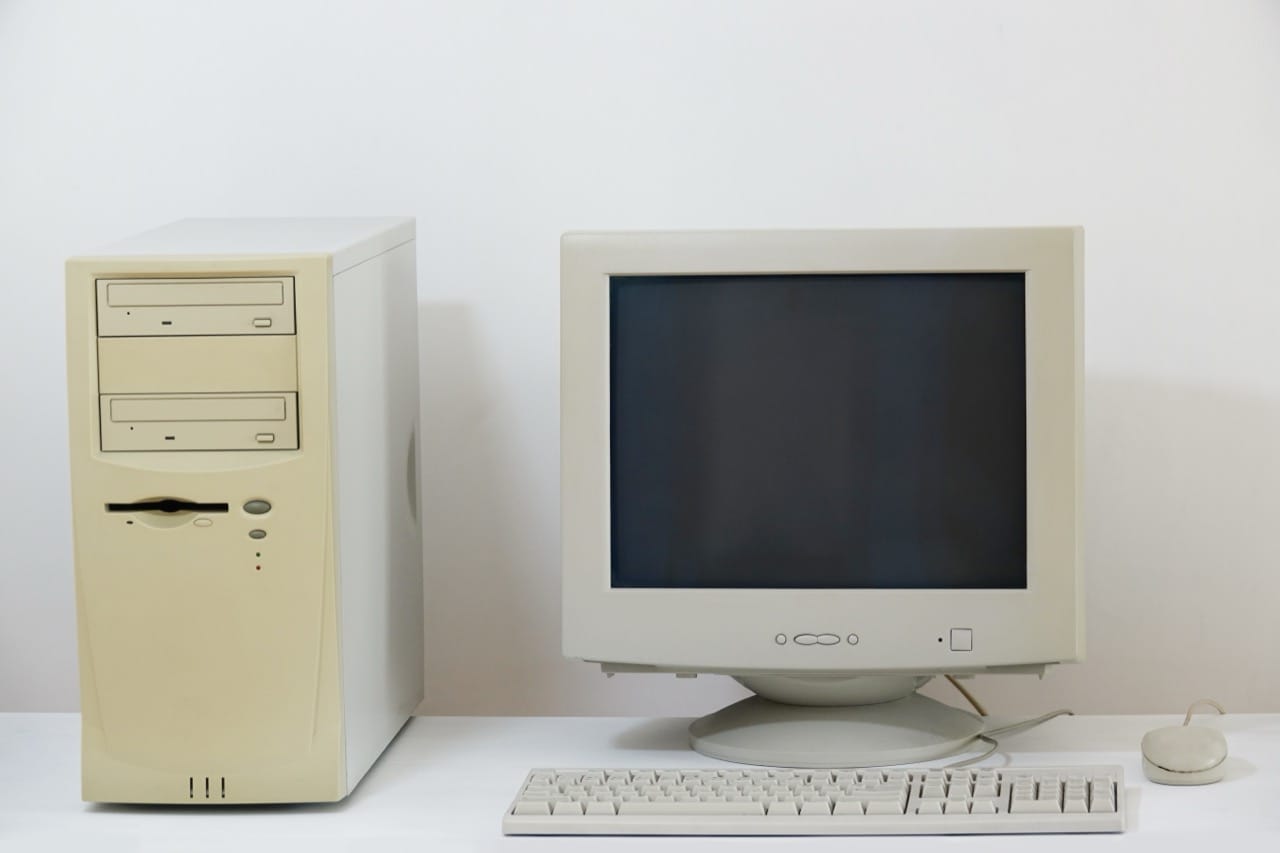
In the early 2000s, the internet stopped feeling like a library you visited and started feeling like a place you lived. The sound of a login chime or a new message alert could change your whole mood, because real time chat was suddenly central to daily life. Services like AIM and MSN Messenger turned presence into a social signal. Seeing a friend appear online was like spotting them across a hallway, and away messages became the era’s short form storytelling. People posted lyrics, inside jokes, and passive aggressive notes that everyone pretended not to read. Buddy lists were carefully curated, and the simple act of going invisible could spark speculation.
Those chat apps also shaped early internet identity. Screen names and custom icons let people be playful or mysterious, and many friendships were built around handles rather than legal names. At the same time, the 2000s pushed the web toward profiles that looked like bedrooms: personalized, messy, and revealing. MySpace, launched in 2003, made customization a competitive sport. Users edited layouts with copied and pasted code, added glittery backgrounds, embedded videos, and chose a profile song that acted like a mood ring. The famous Top 8 feature turned friendship into a public ranking, which meant social dynamics were no longer just felt, they were displayed. Photo comments, wall posts, and public friend lists made relationships visible in a way that could be fun, stressful, or both.
Facebook arrived in 2004 with a very different vibe. It began as a campus directory with real names and standardized profiles, which felt almost boring compared to MySpace’s chaos. That uniformity was the point: it made the network easier to navigate and helped establish trust. As Facebook expanded beyond universities, it trained people to attach their offline identity to online activity. The news feed, introduced in 2006, was a turning point for the entire social web. Instead of checking each friend’s page, you could scroll a single stream of updates. That design shift encouraged frequent posting and also sparked early debates about privacy, because actions that once felt quiet, like changing a relationship status, suddenly became broadcast.
The 2000s also laid the groundwork for the way we share information today. YouTube launched in 2005 and quickly normalized the idea that anyone could upload video for the world to see, not just media companies. Flickr and later Facebook photo tagging made cameras and social life merge, turning events into albums and albums into social spaces. Meanwhile, microblogging arrived with Twitter in 2006, offering a new style of communication: short, public updates that could travel far beyond your immediate circle. Hashtags, first used by the Twitter community in 2007, gave people a simple way to organize conversations and rally around events, jokes, or breaking news.
All of this happened while the web was learning to connect itself. Links moved faster through feeds and reposts. Platforms competed and copied each other’s features. People began maintaining multiple identities across services: a chat persona, a profile persona, and a public posting persona. The era’s habits still echo today. Waiting for someone to come online became checking whether they are active. Away messages became status updates and stories. Profile customization gave way to algorithmic feeds, but the desire to signal taste and belonging never left. The 2000s social web was noisy, experimental, and sometimes awkward, yet it invented the everyday language of modern online life: friends, follows, tags, feeds, and the idea that your digital presence is part of who you are.