 Fashion & CelebsQ1
Which early-2000s fashion trend is most associated with visible logos and matching velour sets popularized by celebrities?
 Fashion & CelebsQ2
Which accessory became a major mid-to-late 2000s fashion staple, often paired with skinny jeans and tunic tops?
 Fashion & CelebsQ3
In 2008, Damien Hirst skipped the gallery system and sold an entire show of new work through which auction house?
 Fashion & CelebsQ4
Which street artist created the famous red, beige and blue “Hope” poster of Barack Obama during the 2008 campaign?
 Fashion & CelebsQ5
Which anonymous British street artist staged the 2006 Los Angeles show “Barely Legal,” which featured a live elephant painted to match the wallpaper?
 Fashion & CelebsQ6
Which 2000s social platform, launched in 2003, became a major driver of celebrity-fan culture and personal branding?
 Fashion & CelebsQ7
Which denim silhouette became a defining mainstream jean style in the 2000–2009 period?
 Fashion & CelebsQ8
Which reality TV series that premiered in 2003 is widely credited with accelerating the 2000s celebrity culture of constant media exposure?
 Fashion & CelebsQ9
What name did Takashi Murakami give to the flat, anime-influenced art style he championed in an influential 2000 exhibition?
 Fashion & CelebsQ10
Which British artist unveiled “For the Love of God,” a platinum human skull covered in diamonds, in 2007?
 Fashion & CelebsQ11
Which retail model expanded rapidly in the 2000s by copying runway trends quickly and selling them at lower prices?
 Fashion & CelebsQ12
Which Japanese artist teamed up with Louis Vuitton in 2003 to create the colorful Monogram Multicolore handbag designs?
Neon Fame and Pop Art Flashbacks: When Mass Media Turns Life into Icons
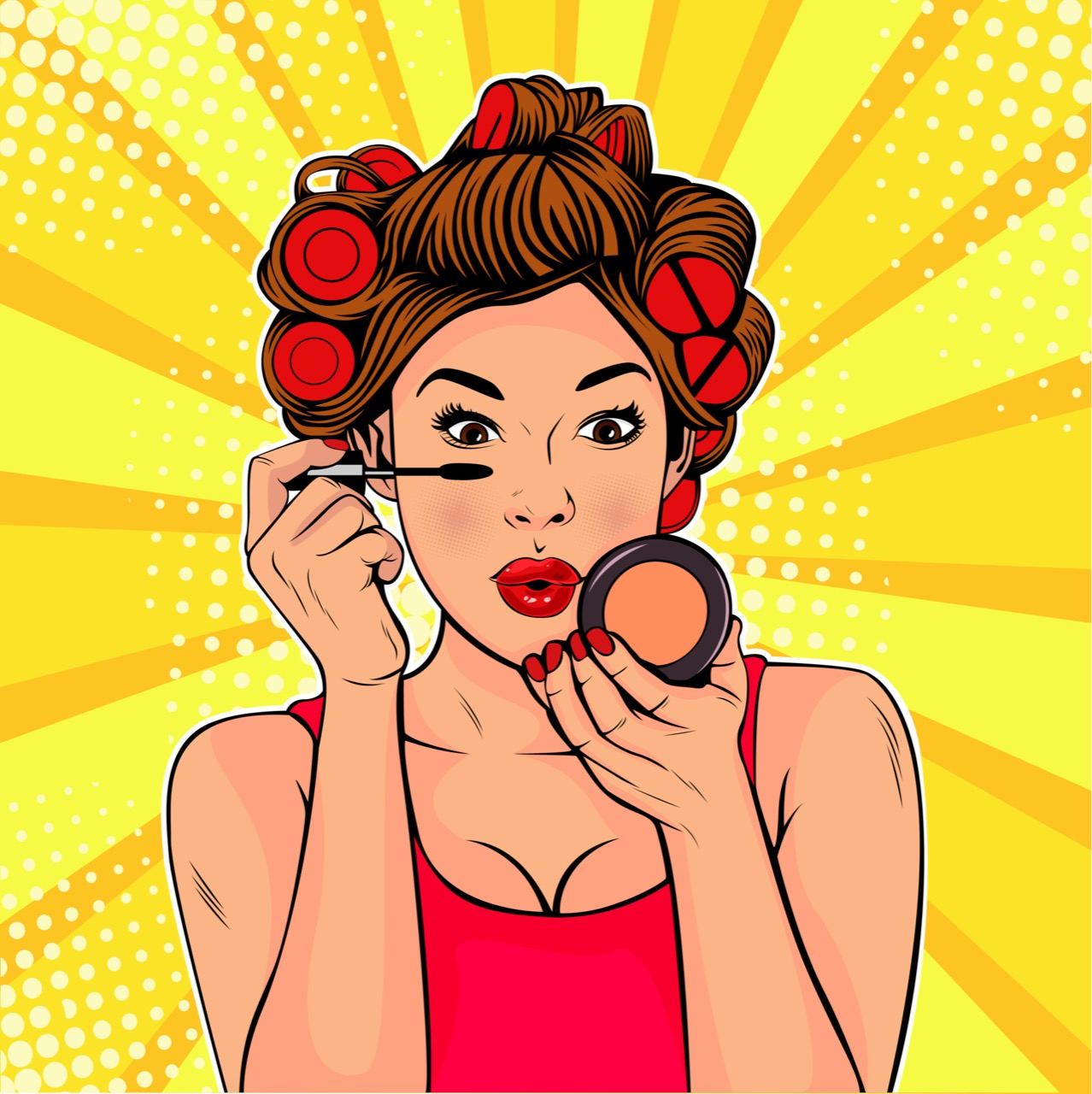
Pop Art and 2000s celebrity culture might seem like separate worlds, but they are powered by the same engine: mass media’s ability to copy, amplify, and sell images until they feel inevitable. In the early 1960s, artists began treating advertising, comic strips, and supermarket packaging as the raw material of fine art. Four decades later, tabloids, music television, and the first wave of social media did something similar with people, outfits, and moments, turning them into endlessly repeated symbols that could be consumed at a glance.
Andy Warhol understood this loop better than anyone. His paintings of Campbell’s soup cans and Coca Cola bottles were not just jokes about shopping; they were portraits of a new kind of shared visual language, where everyone recognized the same products and logos. Warhol’s screen printing technique, which allowed images to be reproduced with slight variations, mirrored industrial printing and hinted at how fame itself could be manufactured. At his studio, the Factory, Warhol blurred art, nightlife, and publicity, surrounding himself with personalities who were famous partly because they were seen. His famous line about fifteen minutes of fame sounds even more accurate in hindsight, because the 2000s perfected the rapid cycle of attention.
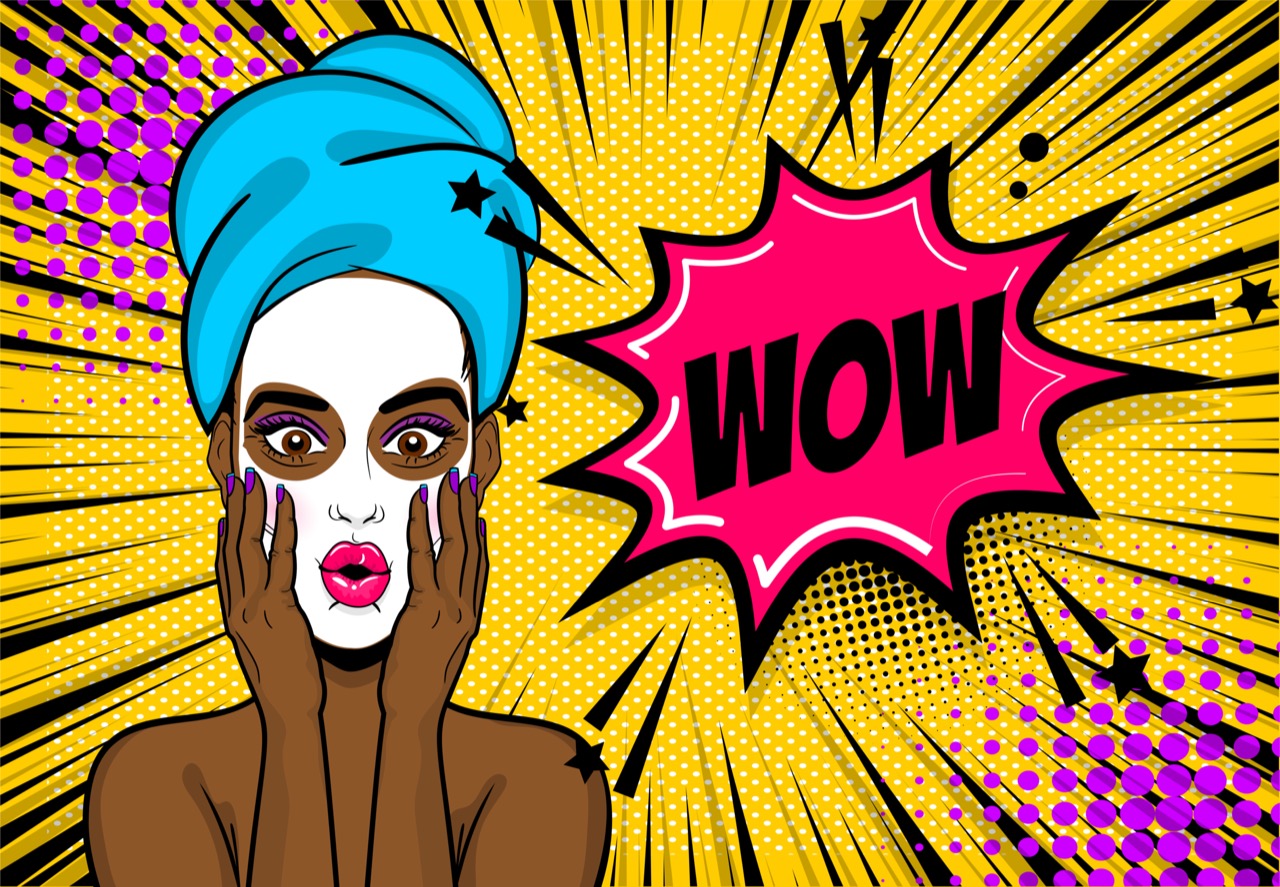
Roy Lichtenstein, another key Pop Art figure, borrowed comic book panels and recreated them with Ben Day dots, the printing pattern used in cheap commercial comics. Up close, his paintings can feel mechanical, like a machine translating emotion into a standardized code. That tension between drama and mass production has a clear echo in early 2000s celebrity coverage, where personal events were packaged into recognizable story templates: the breakup, the feud, the comeback, the scandal. A single paparazzi photo could become a cultural reference point, repeated across magazine covers and entertainment shows until it felt like a logo.
The 2000s also made branding intensely personal. Celebrities were not only photographed; they were product lines. Fragrances, handbag collaborations, and clothing collections turned a person’s name into a stamp of desirability. This is Pop logic applied to identity: take a familiar image, reproduce it widely, and let repetition create value. Reality television accelerated this process by turning everyday behavior into content, while blogs and gossip sites sped up distribution. When social platforms began to take off near the end of the decade, the audience gained new power to circulate images instantly, making trends feel both democratic and disposable.
Fashion during 2000 to 2009 captured the same push and pull between individuality and mass replication. Low rise jeans, logo heavy handbags, velour tracksuits, trucker hats, oversized sunglasses, and statement belts were designed to read quickly in photos. Many of these looks were built for flashbulbs and red carpets, where recognition mattered as much as craftsmanship. Fast fashion expanded rapidly in this period, translating runway ideas into affordable versions at high speed. Like a Warhol print run, the point was not uniqueness but availability. When everyone could buy a version of the same look, style became a kind of visual shorthand, and the trend cycle accelerated.
What makes the connection between Pop Art and the 2000s so fascinating is that both reveal how images gain power through circulation. A soup can becomes art because it is already familiar. A celebrity outfit becomes iconic because it is photographed, reposted, and imitated until it stops being just clothing and turns into a symbol of an era. Pop Art asked viewers to notice the machinery behind desire, and the 2000s provided a loud, glossy demonstration of that machinery at work in real time. If you can spot the shared DNA between a comic book dot pattern and a tabloid cover, you are already thinking like a Pop artist, decoding the culture machine one image at a time.
Up next in Fashion & Celebs
All 12 Fashion & CelebsNew
2000s Red Carpet Moments
 Fashion & CelebsNew
Red Carpet Icons of the 2000s
 Fashion & CelebsNew
2000s Celebrity Couples and Reality TV
 Fashion & CelebsNew
2000s Reality TV and Tabloid Headlines
 Fashion & CelebsNew
2000s Reality TV and Tabloid Couples
 Fashion & CelebsNew