 MusicQ1
Which band released the 2007 album "Infinity on High," featuring guitar-driven singles like "This Ain’t a Scene, It’s an Arms Race"?
 MusicQ2
Which producer is credited with producing both My Chemical Romance’s album "The Black Parade" and Green Day’s album "American Idiot"?
 MusicQ3
Which band’s 2003 breakthrough album "Take This to Your Grave" was released on Fueled by Ramen?
 MusicQ4
Which 2001 Jimmy Eat World album helped push emo into the mainstream with the hit single “The Middle”?
 MusicQ5
Which 2004 album by The Used includes the track "All That I’ve Got" and continued the band’s post-hardcore-leaning emo popularity?
 MusicQ6
Which 2005 Fall Out Boy album featured the breakthrough single “Sugar, We're Goin Down”?
 MusicQ7
Which tuning is especially associated with many 2000s pop punk guitar parts because it simplifies power-chord shapes and fast changes?
 MusicQ8
Which producer is strongly associated with shaping the polished, radio-ready 2000s pop punk sound on albums like New Found Glory’s "Sticks and Stones"?
 MusicQ9
Which drummer joined Fall Out Boy in 2003, completing the classic lineup that recorded “From Under the Cork Tree”?
 MusicQ10
Which band’s 2003 single "Ocean Avenue" became a pop punk staple and shares its name with the album it appears on?
 MusicQ11
Which band released the 2004 album "Three Cheers for Sweet Revenge" featuring the singles "I’m Not Okay (I Promise)" and "Helena"?
 MusicQ12
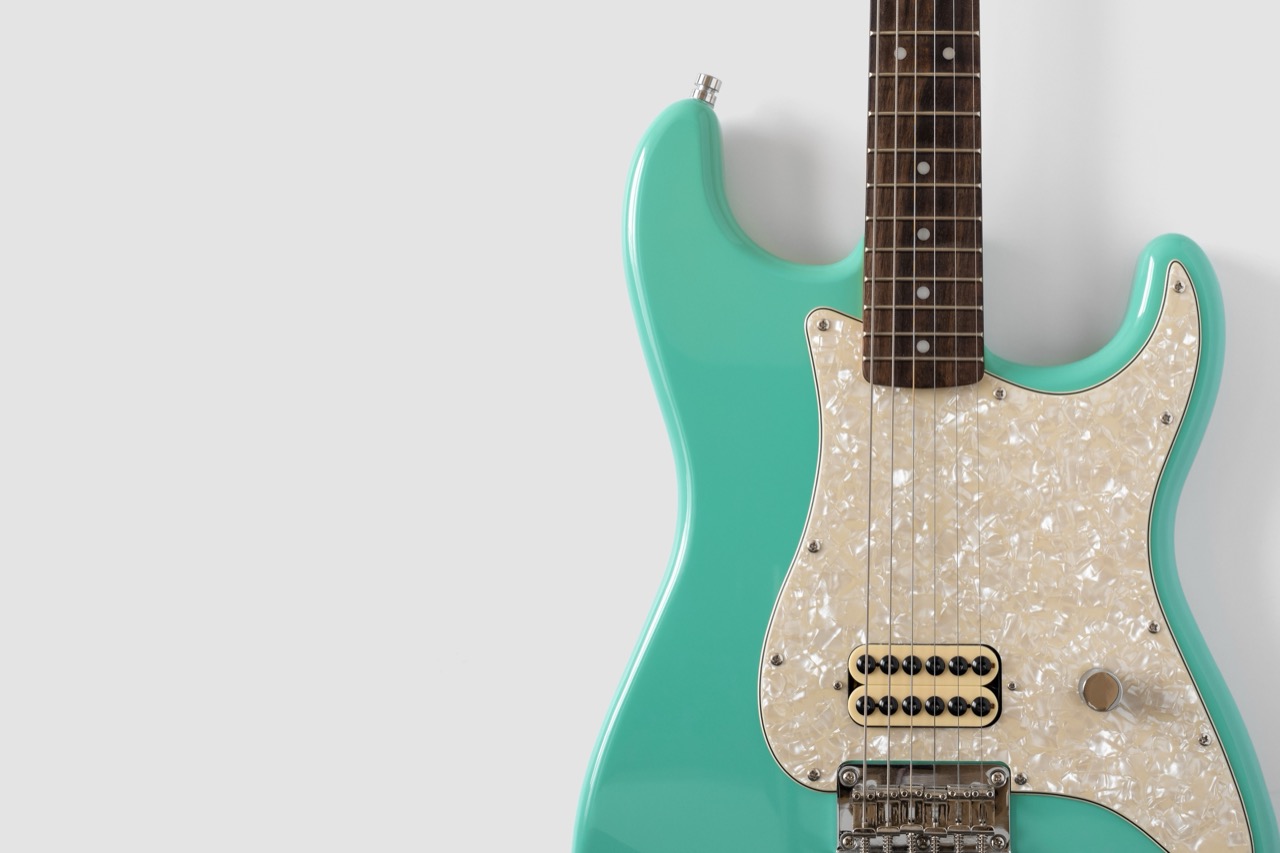
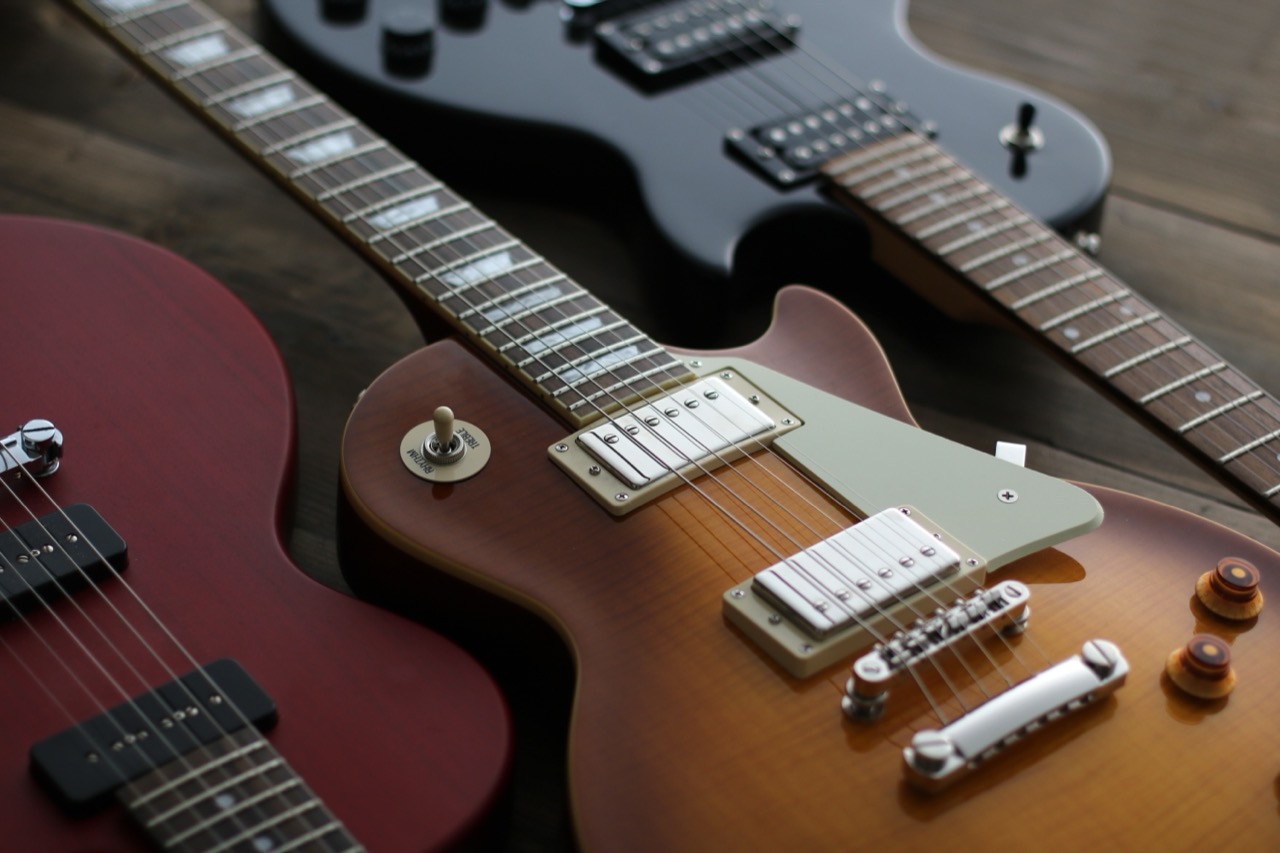
Which guitar model is most closely associated with Tom DeLonge's signature look and sound during blink-182's 2000s era?
How 2000s Guitar Riffs Connected Emo, Pop Punk, and Modern Rock
In the 2000s, guitar-driven music splintered into scenes that looked different on the surface: pop punk’s bright choruses, emo’s dramatic dynamics, and modern rock’s heavier crunch. Yet the decade’s most recognizable riffs often came from the same toolkit. Power chords anchored in drop tunings, tight palm mutes, and a polished high-gain tone formed a shared language that let ideas travel between bands, producers, studios, and tours. If two groups sounded oddly related despite different aesthetics, it was usually because they were drawing from the same network of influences and behind-the-scenes collaborators.
A major link was the producer class that helped define radio-ready heaviness. Jerry Finn, famous for shaping Blink 182 and Sum 41, brought a punchy, detailed approach that made fast downstrokes and chunky choruses feel massive without turning to sludge. His mixes made room for layered guitars, vocal stacks, and crisp drums, and that clarity became a model for countless records chasing both Warped Tour credibility and mainstream reach. On the emo and alternative side, names like Neal Avron and Howard Benson turned guitars into polished hooks, often by doubling rhythm parts, tightening performances through editing, and emphasizing the midrange where riffs translate on car stereos.
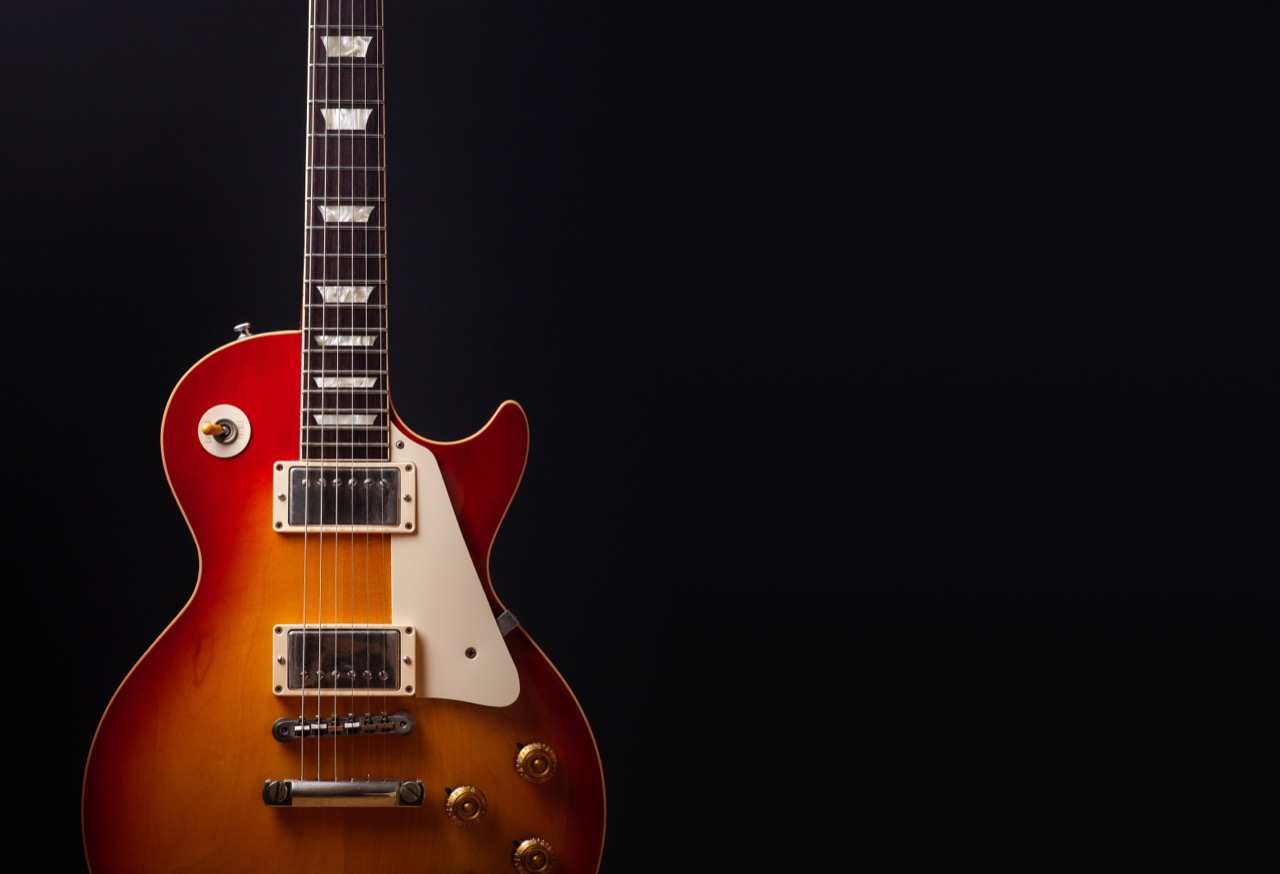
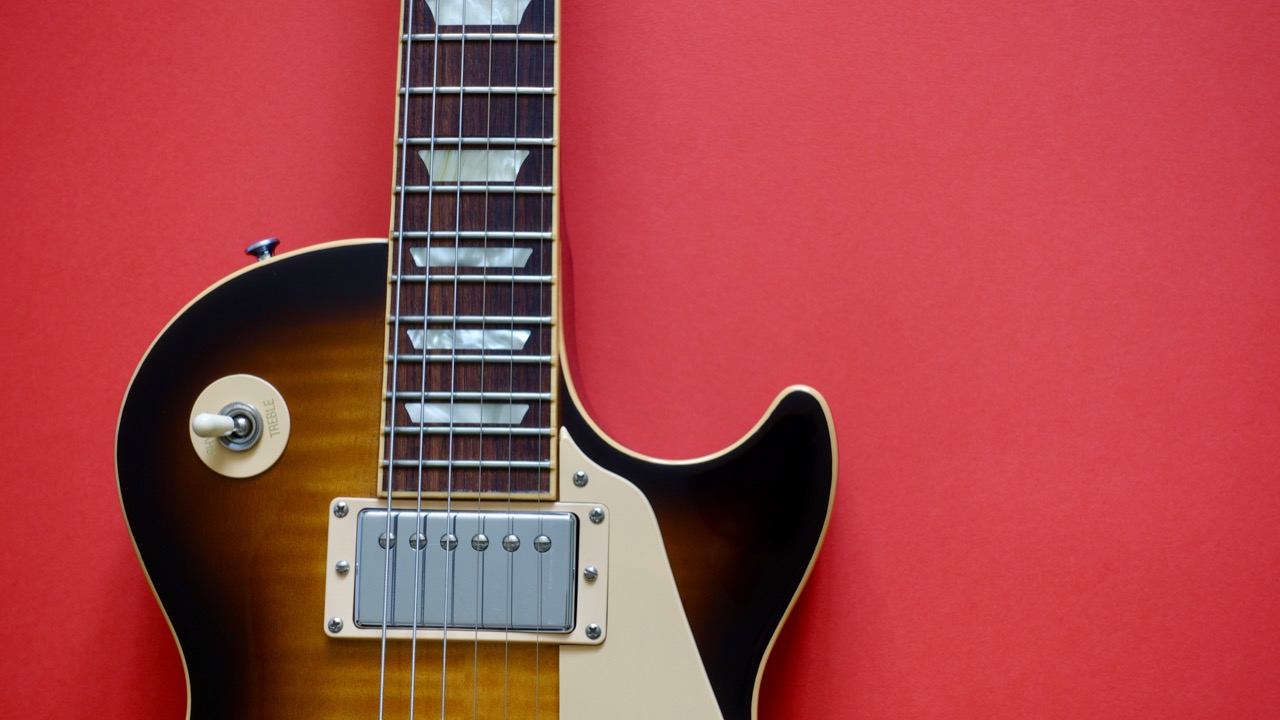
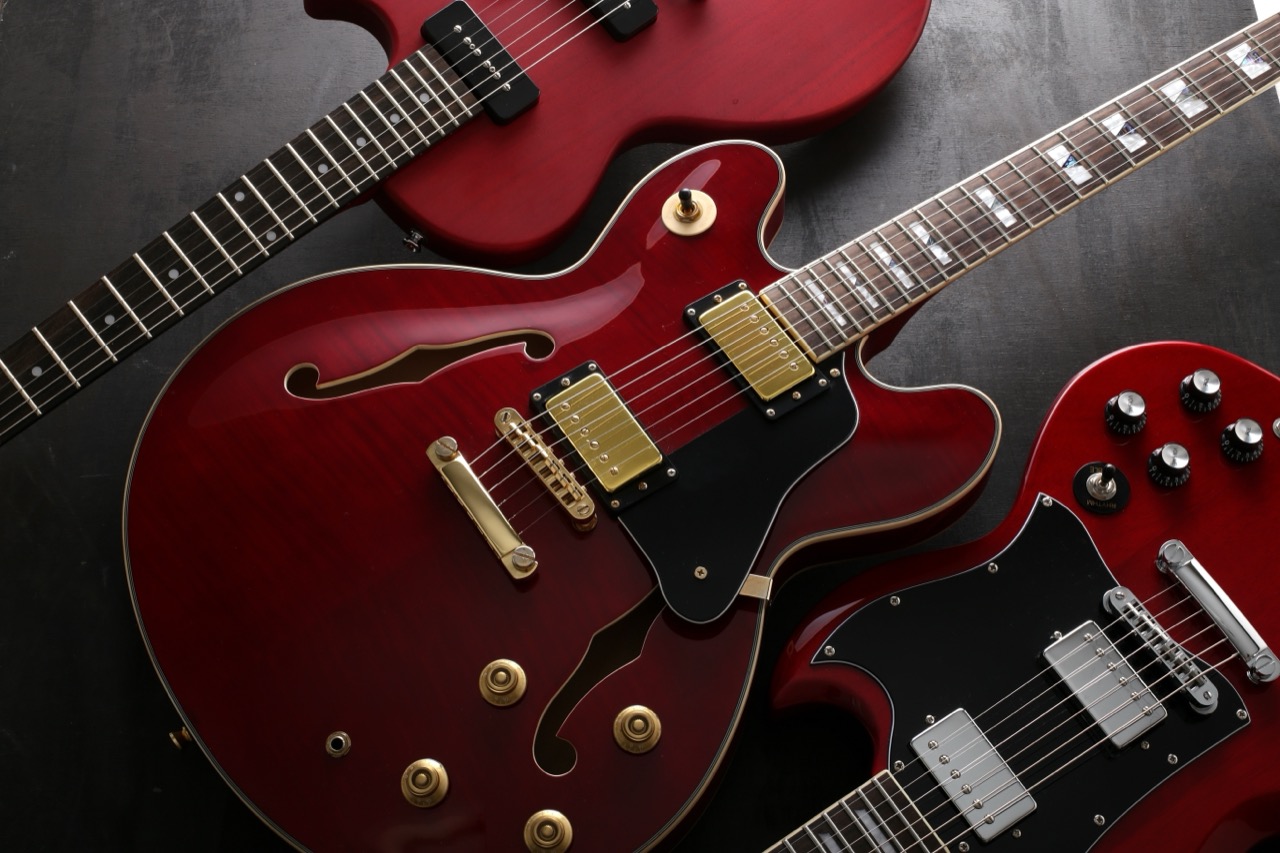
The gear itself created another set of connections. Mesa Boogie Dual Rectifier stacks, Marshall heads, and hot-rodded high-gain amps were everywhere, but the “early-2000s” sound often came down to how they were dialed in and recorded. Engineers commonly paired a Shure SM57 with another mic to capture both bite and body, then layered multiple takes to create that wall of sound. Many bands relied on humbucker-equipped guitars such as Gibson Les Pauls, SGs, and various PRS models for thick rhythm parts, while Fender-style guitars with brighter single coils or coil-splits helped arpeggios shimmer in cleaner sections. Effects like chorus, delay, and reverb were not just decoration; they were structural, turning simple chord patterns into emotional atmosphere.
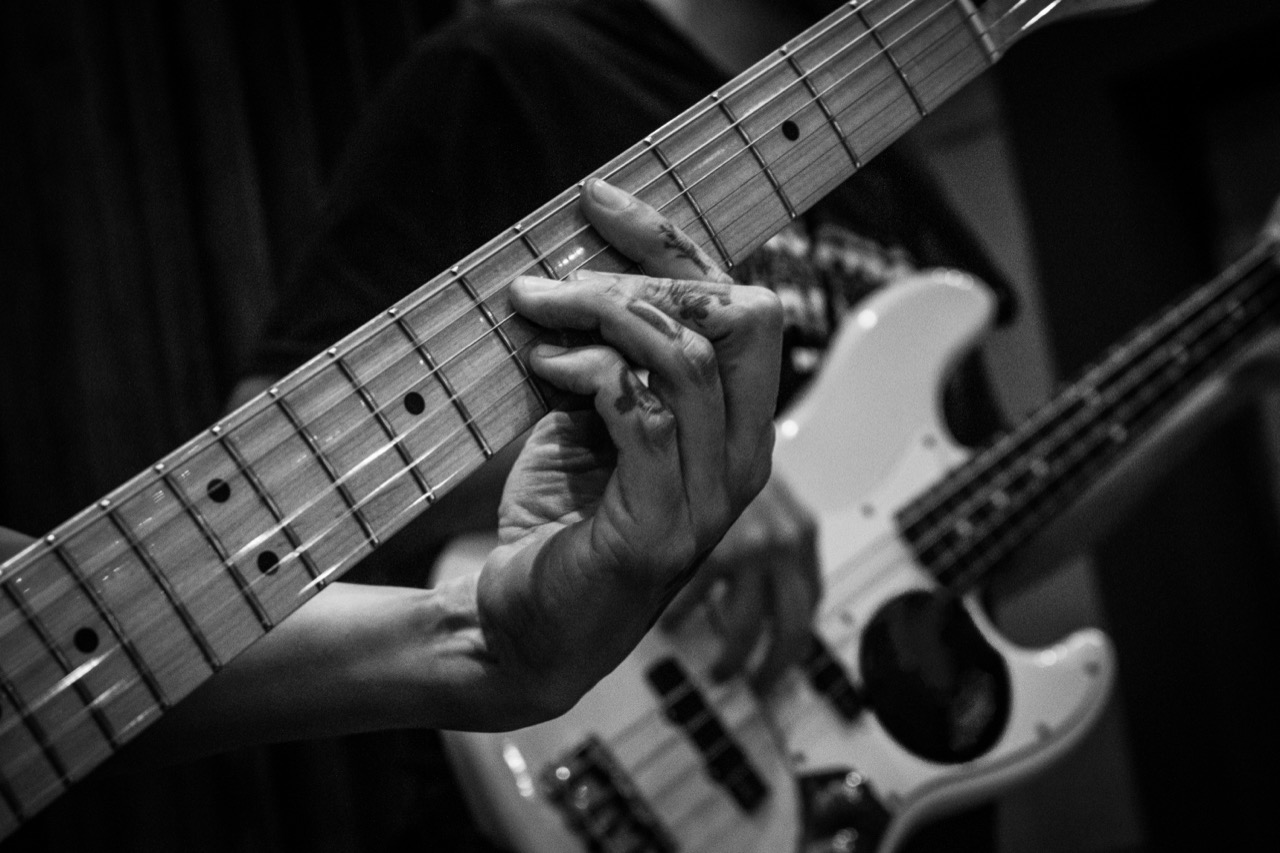
Riffs traveled because musicians and fans traveled. Warped Tour lineups mixed pop punk, post-hardcore, and emo in the same parking lots and backstage areas, and guitarists watched each other’s sets night after night. A palm-muted verse that built into open-chord choruses became a dependable template because it worked live and on radio. Tunings also helped scenes overlap. Dropping to D or lower made power chords easier to move and gave riffs extra weight, which let pop punk borrow some of metal’s impact while keeping catchy melodies up front. Meanwhile, emo bands often used clean or lightly driven tones for intricate picking patterns, then switched to heavier sounds for choruses, mirroring the loud-quiet-loud drama that audiences loved.
Studios and regional scenes formed another web. Southern California remained a hub, but influential work also came from places like New Jersey, Chicago, and Florida, where bands recorded in the same rooms, shared engineers, or used the same drum and guitar techs. Even when two albums were recorded far apart, they might share the same mastering approach, similar guitar cab choices, or the same brand of strings and picks that subtly shaped attack and brightness.
There were also human connections that fans sometimes missed: touring guitarists who later joined bigger acts, producers who played instruments on sessions, and songwriters who helped craft choruses across multiple bands. The result is that the decade’s guitar scenes were less like isolated islands and more like neighboring cities connected by busy highways. When you hear a chugging verse snap into a glossy, sing-along chorus, or a clean arpeggio bloom into a huge distorted hook, you are hearing the sound of shared tools, shared stages, and a decade-long conversation carried by riffs.