 News & EventsQ1
Which 2004 discovery of a small-bodied human species on an Indonesian island generated the catchy nickname 'the Hobbit' in news coverage?
 News & EventsQ2
In 2008, the Large Hadron Collider first circulated a particle beam at which European research center?
 News & EventsQ3
Which 2009 archaeological discovery announcement involved a remarkably well-preserved early hominin skeleton nicknamed 'Ardi'?
 News & EventsQ4
In 2004, which social-networking site began at Harvard before expanding to other campuses and beyond?
 News & EventsQ5
In 2005, which video-sharing platform launched and soon became a surprising resource for lectures, archival clips, and classroom content?
 News & EventsQ6
In 2004, which initiative began making millions of scanned books searchable online, reshaping expectations about library access?
 News & EventsQ7
In 2001, what online encyclopedia launched with an open-editing model that quickly became a go-to reference worldwide?
 News & EventsQ8
In 2002, which former U.S. president was awarded the Nobel Peace Prize?
 News & EventsQ9
Which major museum project opened in 2000, adding a dramatic glass-roofed courtyard designed by architect Norman Foster?
 News & EventsQ10
Which book-turned-2006-film phenomenon sent many readers back to art history, symbolism, and Renaissance topics for fun?
 News & EventsQ11
In 2009, which space telescope servicing mission was celebrated for extending the life of a famous observatory and its iconic images?
 News & EventsQ12
Which NASA spacecraft landed on Mars in 2004 as one of a twin pair, delighting the public with long-lasting rover updates?
 News & EventsQ13
What 2007 handheld device announcement led many universities and libraries to rethink how people would read, research, and access information on the go?
Campus Curiosities and Knowledge Buzz of the 2000s
The 2000s were a decade when campus life and the wider world of scholarship regularly slipped into everyday conversation, not because of heavy drama, but because discoveries, anniversaries, and new digital habits made learning feel newly shareable. Universities, museums, libraries, and archives became sources of the kind of headlines people repeated at work or online, the nerdy equivalent of sports highlights. It helped that the decade’s technology changes made it easier for a curious moment on a campus to travel fast, from an email forward to a blog post to a Wikipedia entry that someone updated in real time.
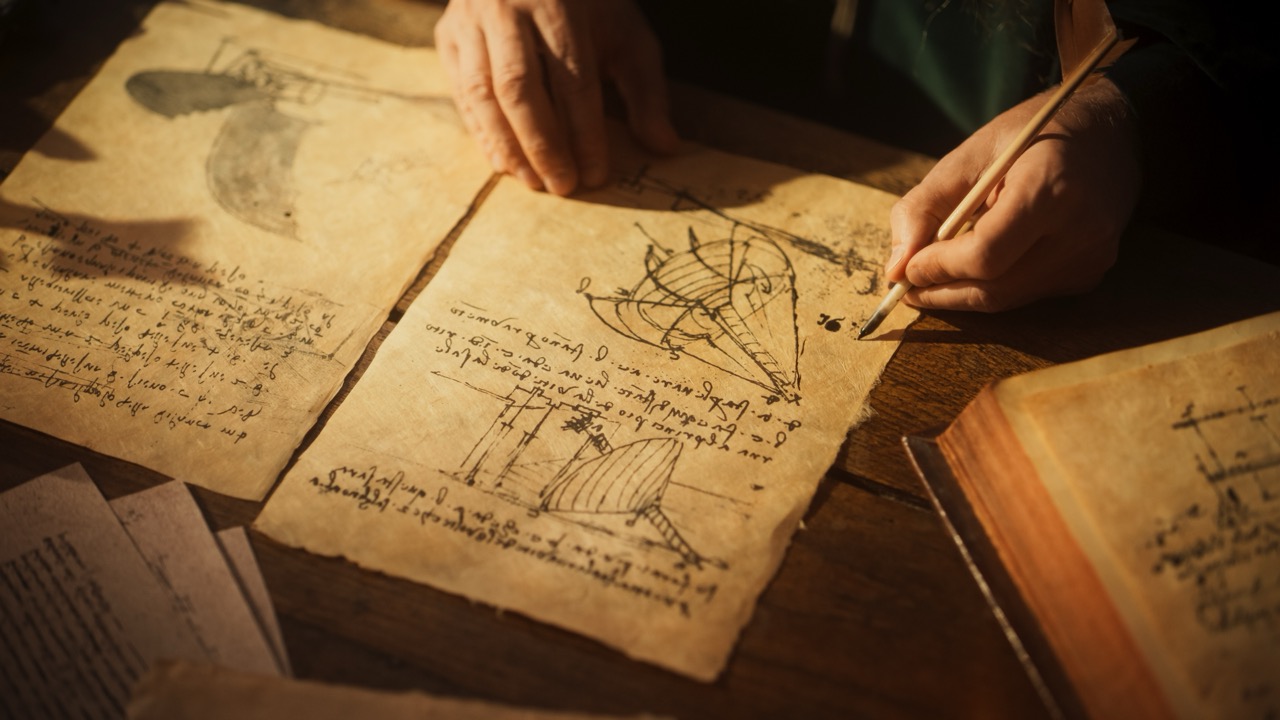
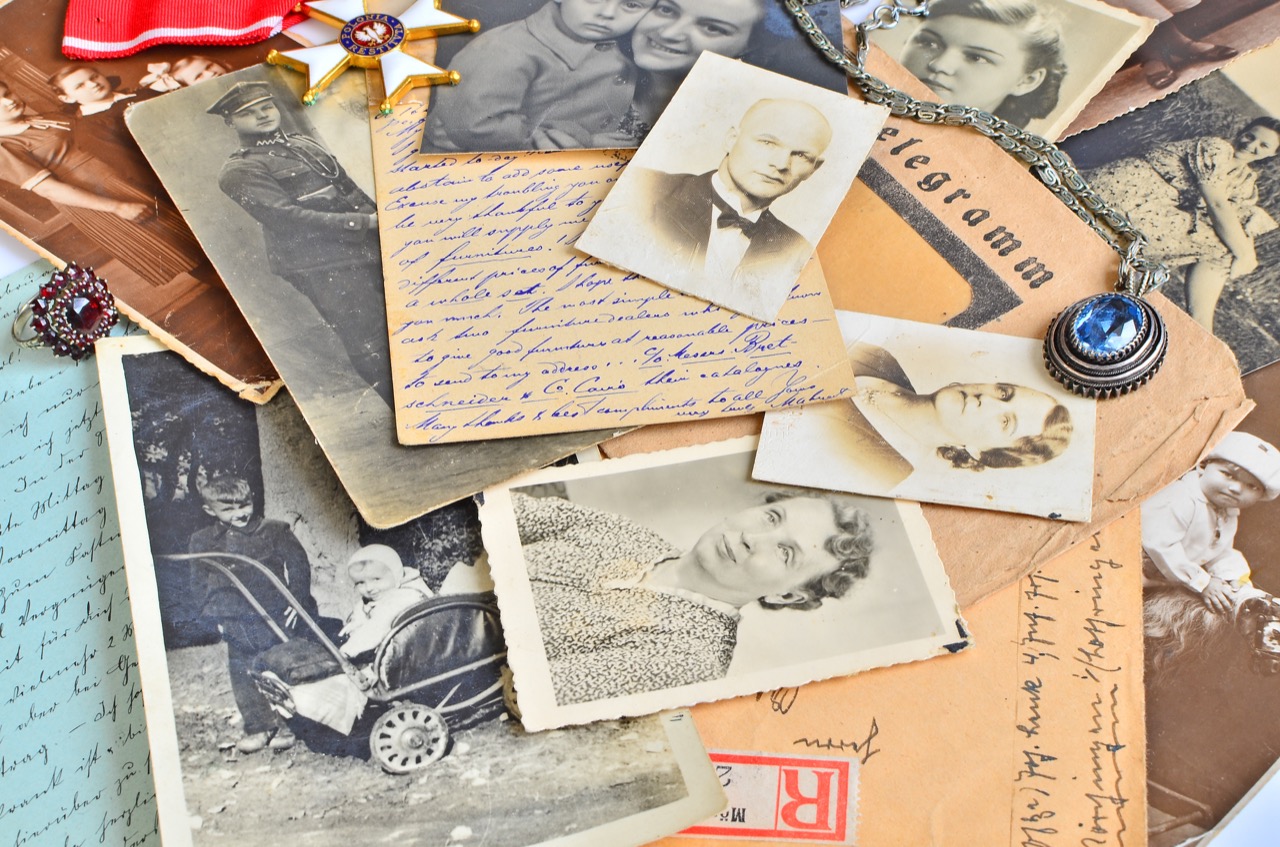
One of the most distinctive features of the era was how often “hidden in plain sight” discoveries surfaced. Libraries and archives reported unexpected finds in donated boxes, misfiled folders, or long ignored collections. A letter by a famous author, an early map with surprising annotations, a forgotten recording, or a rare edition with marginal notes could become a small sensation. These stories reminded people that scholarship is not only about grand theories; sometimes it is about careful attention and the patience to open one more archival box. Universities also leaned into the excitement with public exhibits, bringing behind the scenes work into galleries and campus museums so non specialists could feel part of the hunt.
Archaeology and ancient history also enjoyed a pop culture boost. The 2000s saw renewed attention to how new tools could refresh old questions. Improved dating methods, satellite imagery, and digital mapping helped researchers spot patterns that were hard to see before. Even when the findings were modest, the idea that technology could reveal new angles on ancient sites captured the imagination. People who might never read an academic journal still enjoyed the premise: a student field team uncovers a small artifact, a museum conservator reveals an underdrawing, or a researcher uses a scan to read text that seemed unreadable.
Space history became another friendly gateway to learning, especially as big anniversaries arrived and museums refreshed their exhibits. The decade’s major space milestones were not just commemorations; they became opportunities for archives to release photographs, audio, and mission documents that had been difficult to access. Universities with aerospace connections hosted talks and public events, and libraries highlighted collections that traced the human side of exploration: training notes, engineering sketches, and personal correspondence. These events were often upbeat celebrations of ingenuity, and they fit the 2000s taste for shareable trivia and “did you know” moments.
The digital revolution on campus shaped how people interacted with knowledge. Wikipedia’s rise changed casual research habits and sparked debates in classrooms about credibility, citations, and how knowledge is built. Many instructors began treating it less as a forbidden shortcut and more as a teaching tool, asking students to compare entries with primary sources or even improve articles as an exercise in public scholarship. At the same time, libraries expanded digitization projects, putting newspapers, photographs, and manuscripts online. Suddenly, a high school student or a hobbyist genealogist could browse materials once limited to visiting scholars.
Museums and libraries also became more interactive in the 2000s, experimenting with audio guides, early mobile experiences, and community driven exhibits. Cultural institutions learned that people loved stories about how collections were assembled, how items were restored, and how curators decide what to display. Even small milestones, like the opening of a new archive facility or the acquisition of a notable collection, could generate local buzz.
What made the decade feel especially lively was the mix of old and new. The first iPhone era and the growth of social media made it easier to share a quirky campus headline, while anniversaries and archival finds anchored those headlines in history. The result was a public mood that treated learning as a kind of everyday adventure: part detective work, part celebration, and part conversation starter. If you remember the 2000s as a time when knowledge felt both more accessible and more surprising, you are remembering the decade’s signature curiosity.
Up next in News & Events
All 12 News & EventsNew
2000s Inventions That Changed Everything
 News & EventsNew
2000s Tech Firsts
 News & EventsNew
Landmarks and Labs of the 2000s
 News & EventsNew
Everyday Tech Breakthroughs of the 2000s
 News & EventsNew
2000s Tech and Science Breakthroughs
 News & EventsNew