 MusicQ1
Which 2009 Jay-Z single features Alicia Keys and is built around a hook celebrating New York City?
 MusicQ2
Which song by Soulja Boy is widely associated with the dance craze that helped it become a breakout hit in 2007?
 MusicQ3
Which artist released the 2000 album "The Marshall Mathers LP"?
 MusicQ4
Which 2004 Usher album includes the singles "Yeah!", "Burn", and "Confessions Part II"?
 MusicQ5
Which 2005 Mariah Carey album marked a major commercial comeback and includes the hit single "We Belong Together"?
 MusicQ6
Which singer released the 2001 album "Aaliyah" shortly before her death that year?
 MusicQ7
Which 2002 single from "The Eminem Show" opens with the line "Guess who's back"?
 MusicQ8
Which rapper’s 2004 album "The College Dropout" launched a mainstream career after earlier work as a producer?
 MusicQ9
Which 2003 50 Cent debut studio album includes the hit singles "In da Club" and "21 Questions"?
 MusicQ10
Which Beyoncé single released in 2003 features Jay-Z and includes the hook "Uh oh, uh oh"?
 MusicQ11
Which OutKast album released in 2003 is a double album featuring the singles "Hey Ya!" and "The Way You Move"?
 MusicQ12
Which 2004 debut single by Ciara, featuring Petey Pablo, went to number one on the Billboard Hot 100?
Speakerboxx to Sidekick: How 2000s Hip Hop and R&B Took Over Everywhere
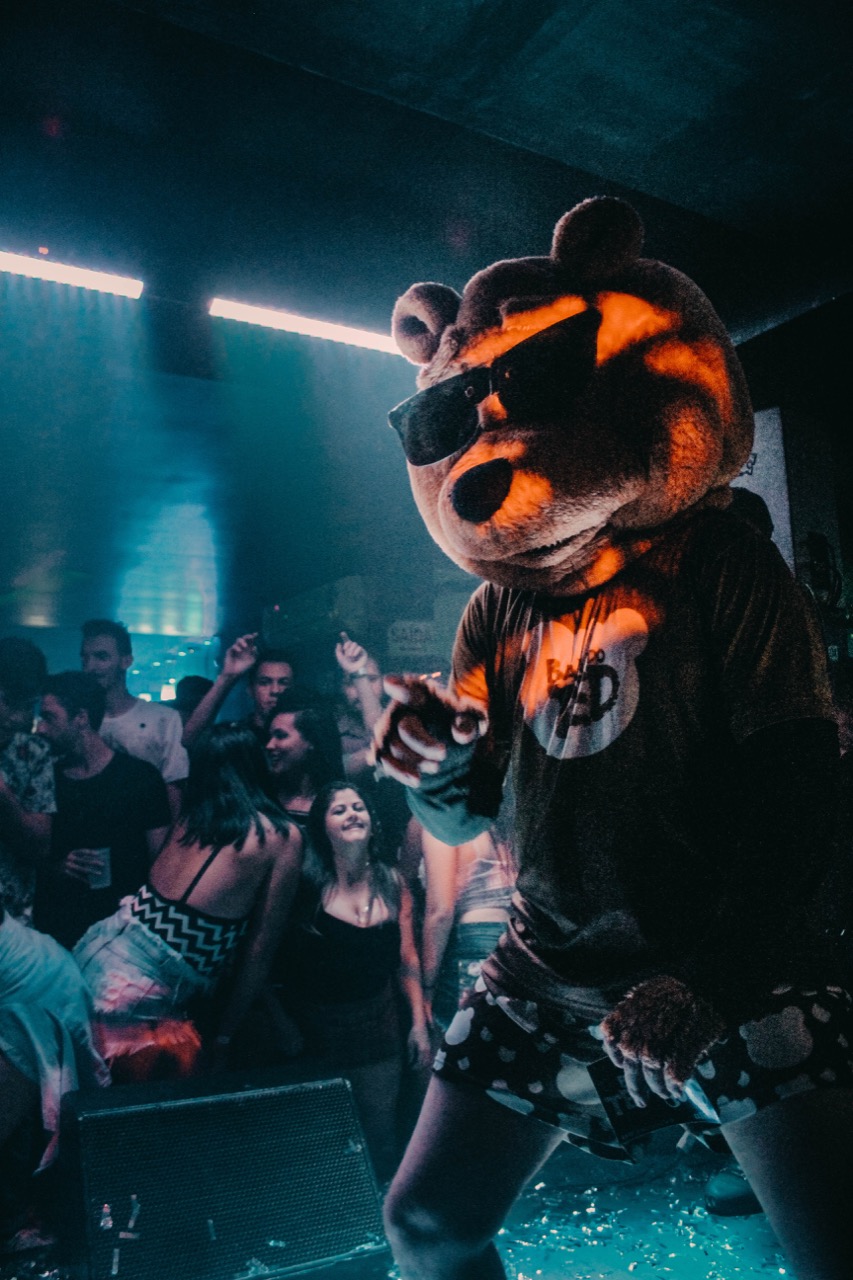
The 2000s were the decade when hip hop and R&B stopped feeling like separate lanes and started operating like one giant shared universe. Music was no longer tied to a living room stereo or a single radio station. It lived in car CD changers, on burned mixtapes passed around at school, and in the tiny speakers of flip phones playing ringtones loud enough to announce your taste to the whole hallway. If you remember the era clearly, you probably don’t just recall songs, you remember where you were when they hit: dances, club nights, late-night drives, and that one breakup track you played on repeat until it stopped hurting.
Atlanta’s rise is one of the defining stories of the decade. Producers and artists from the city pushed a sound that was both club-ready and radio-friendly, and it spread fast. Crunk turned chants into anthems, and snap music made minimal beats feel irresistible. Lil Jon’s booming calls, the rubbery bounce of snap hits, and the polished sheen of major-label Southern rap proved that energy could be as important as lyrical density. At the same time, OutKast showed how far rap could stretch. Speakerboxxx and The Love Below didn’t just produce singles people still know by heart; it proved that a rap album could be a pop event without losing its weirdness.
If the South supplied much of the decade’s momentum, the rest of the country kept reinventing the formula. New York balanced glossy club rap with tougher street narratives, and the mixtape circuit became a parallel industry that could break an artist without traditional radio support. On the West Coast, the sound shifted from G-funk’s earlier dominance toward new hybrids that absorbed Southern rhythms and pop structures. Everywhere you looked, collaboration felt like a competitive sport. A feature verse wasn’t just an add-on, it was a headline. Fans learned to recognize voices, ad-libs, and producer tags the way earlier generations recognized guitar solos.
Producers became stars in their own right, and the decade trained listeners to pay attention to who was behind the boards. The Neptunes and Timbaland made rhythm feel futuristic, turning odd percussion, clipped melodies, and unexpected silences into mainstream hooks. Kanye West’s chipmunk-soul era helped reshape rap’s emotional palette, opening space for vulnerability and ambition side by side. Meanwhile, the hitmaking assembly line of the time made radio feel like a constant parade of instantly recognizable signatures.
R&B also evolved dramatically. The genre leaned into both extremes: glossy, danceable singles built for crossover success and slow jams that treated heartbreak like a craft. Artists blended traditional vocal skill with hip hop’s attitude, and rap-sung hybrids became standard. The lines blurred so much that a playlist could jump from a tender ballad to a club banger without feeling like a genre switch. This was also the era when remixes mattered again, sometimes becoming bigger cultural moments than the originals, especially when they stacked multiple stars on one track.
Technology shaped how the music traveled. iPods and MP3 players turned listening into a personal soundtrack, while ringtone rap proved that a hook could be engineered for a 20-second loop. Music videos and countdown shows still had power, but online sharing and mixtape blogs began changing discovery. The result was a decade where songs could feel unavoidable, not because you were forced to hear them, but because they followed you everywhere.
A good 2000s memory check isn’t just about naming chart-toppers. It’s about remembering the feature that stole the song, the producer who defined the beat, the album that shifted the conversation, and the regional sound that suddenly went national. If you can hear those synth stabs, clap patterns, and silky choruses in your head on command, you’re already halfway back in time.