 Sports & RecreationQ1
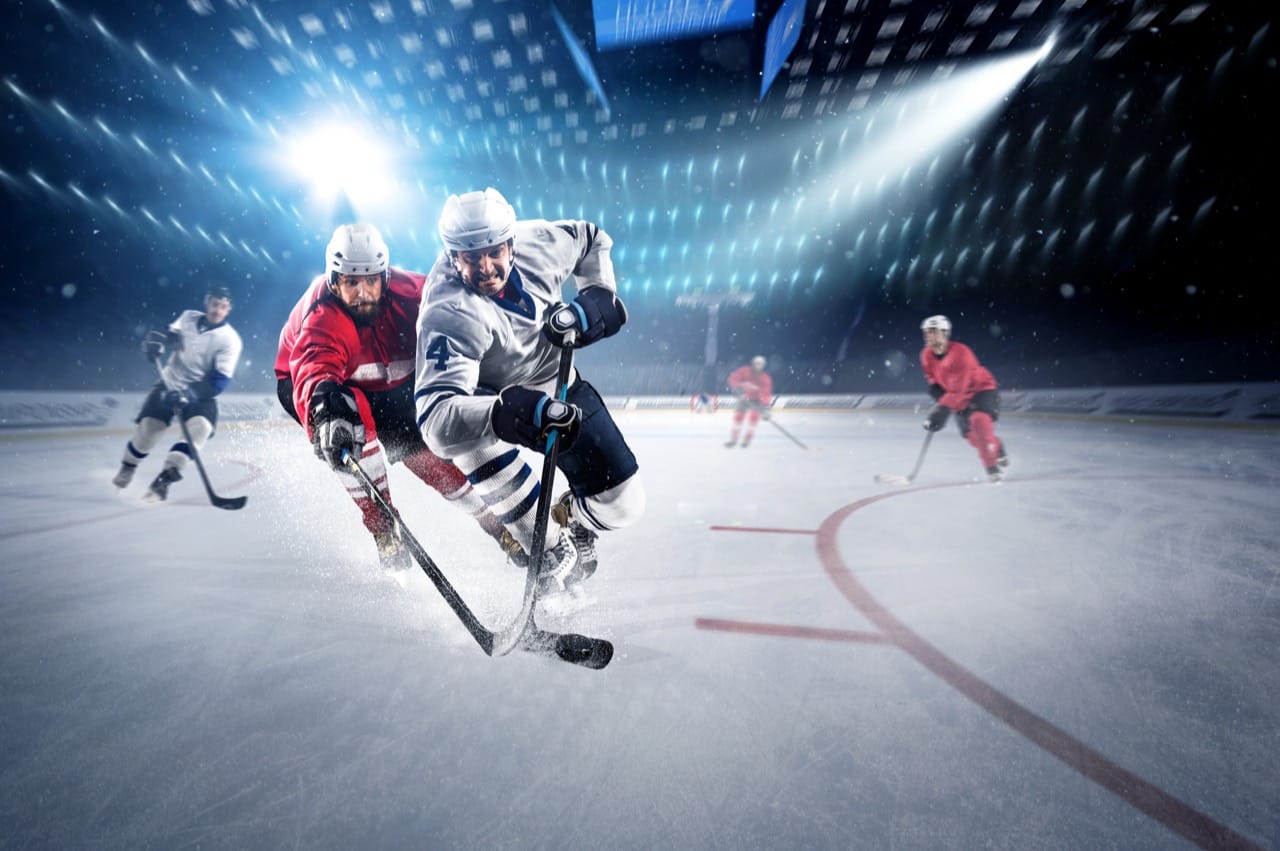
In 2002, which team won the Stanley Cup, led by captain Steve Yzerman?
 Sports & RecreationQ2
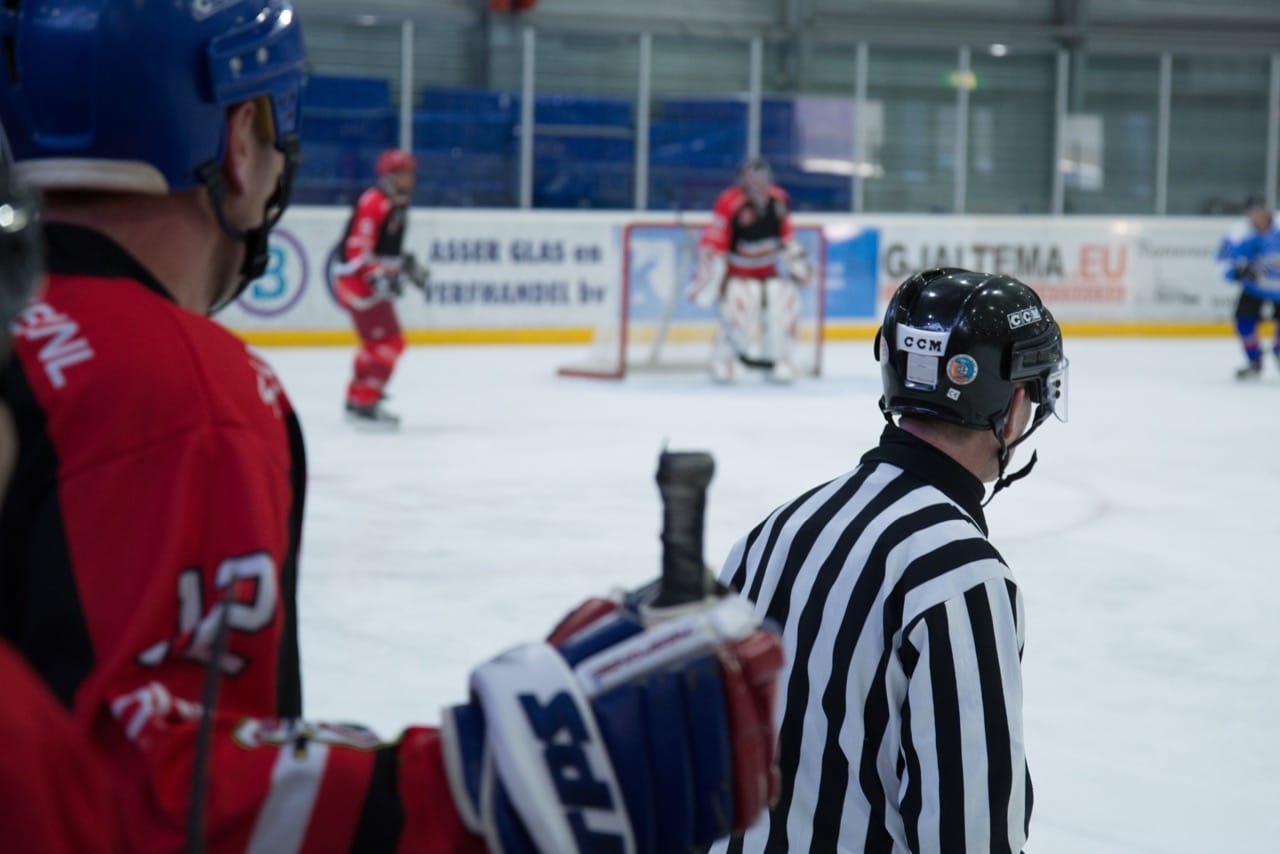
Which outdoor regular-season game, held on January 1, 2008, was the first NHL Winter Classic?
 Sports & RecreationQ3
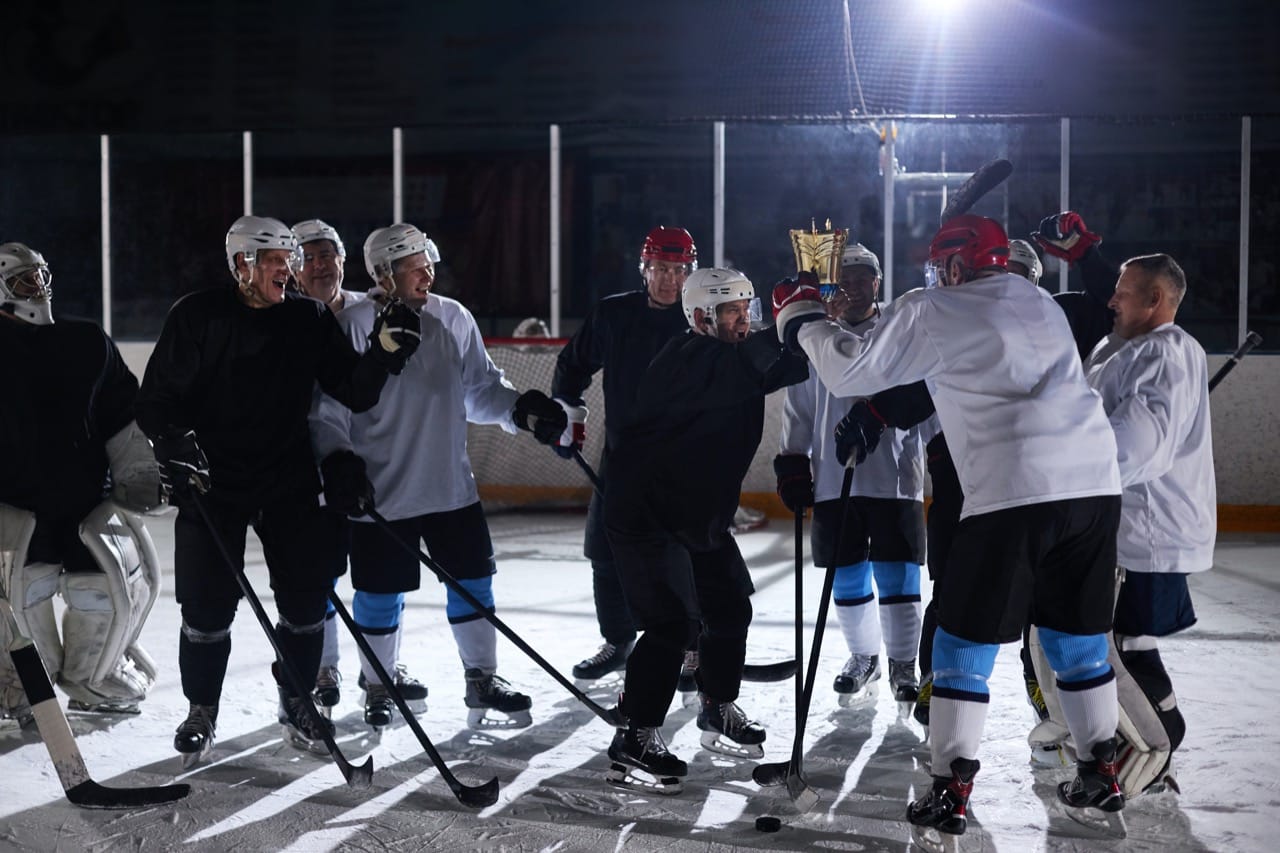
Which team won the Stanley Cup in 2006, defeating the Edmonton Oilers in the Final?
 Sports & RecreationQ4
What major NHL event caused the entire 2004–05 season to be canceled?
 Sports & RecreationQ5
Which team won the 2008 Stanley Cup, defeating the Pittsburgh Penguins in the Final?
 Sports & RecreationQ6
Which team captured its first Stanley Cup in 2004 by defeating the Calgary Flames in the Final?
 Sports & RecreationQ7
Which team won the 2003 Stanley Cup after a Final against the Mighty Ducks of Anaheim?
 Sports & RecreationQ8
Which franchise won the Stanley Cup in 2001 with captain Joe Sakic lifting the trophy?
 Sports & RecreationQ9
Which team won the 2009 Stanley Cup, defeating the Detroit Red Wings in a rematch Final?
 Sports & RecreationQ10
Which team won the Stanley Cup in 2000, defeating the Dallas Stars in the Final?
 Sports & RecreationQ11
Which franchise won its first Stanley Cup in 2007, with Scott Niedermayer as team captain?
 Sports & RecreationQ12
Which NHL star scored the first-ever shootout goal in a regular-season game in October 2005?
Stanley Cup Moments of the 2000s: The Decade That Shaped Modern NHL Memory
The 2000s in the NHL were defined by sharp turns, iconic champions, and a handful of moments that still feel like instant snapshots: a captain hoisting the Stanley Cup, a sudden-death goal, or a veteran finally getting his name engraved. It was also a decade that literally paused, when the entire 2004 to 2005 season was canceled, forcing the league to reinvent itself and changing how the sport looked and played for years afterward.
The decade opened with the New Jersey Devils establishing themselves as one of hockey’s model organizations. Built on structure, goaltending, and timely scoring, they won the Stanley Cup in 2000 and again in 2003. Martin Brodeur stood at the center of it all, a goaltender whose workload and puck-handling skills helped define the position for a generation. In 2000, the Devils beat the Dallas Stars, and in 2003 they overcame the Mighty Ducks of Anaheim. That 2003 Final is a useful marker for the era: a powerhouse with championship experience facing a rising team that was about to become a major force in the Western Conference.
Colorado’s 2001 championship added another unforgettable entry to the decade. The Avalanche, driven by stars like Joe Sakic and Patrick Roy, defeated the Devils in a seven-game Final that felt like a clash of heavyweights. It was also a season remembered for Ray Bourque finally winning the Cup after more than two decades in the league, a milestone that became one of the most celebrated scenes in modern hockey when Sakic passed him the Cup first.
A major shift arrived with the 2004 to 2005 lockout. When the NHL returned in 2005 to 2006, new rules encouraged speed and offense. The shootout was introduced to eliminate ties, obstruction was called more tightly, and the game opened up. That context matters because the champions that followed were shaped by a faster, more transition-based style.
In 2006, the Carolina Hurricanes captured their first Stanley Cup, a breakthrough that remains one of the decade’s best examples of a deep team getting hot at the right time. With Rod Brind’Amour as captain and a mix of scoring and resilience, Carolina outlasted the Edmonton Oilers in a dramatic seven-game Final. The series is remembered for momentum swings, key goaltending moments, and the sense that any game could turn on one shift.
The Anaheim Ducks followed in 2007 with the franchise’s first Cup, powered by a physically imposing blue line and elite goaltending. Led by captain Scott Niedermayer, the Ducks beat the Ottawa Senators and cemented the idea that the post-lockout NHL still had room for teams that could defend, punish, and counterattack with skill.
Late in the decade, the Detroit Red Wings and Pittsburgh Penguins gave the league a marquee rivalry and a clean storyline for fans: youth versus experience, speed versus poise, and two superstar captains in Sidney Crosby and Nicklas Lidstrom. Detroit won in 2008, showcasing a polished, puck-possession style that looked like the sport at its most controlled. One year later, Pittsburgh won in 2009, finishing the rematch with a tense seven-game Final highlighted by last-second pressure and clutch saves that became part of playoff lore.
Taken together, the 2000s delivered a compact history lesson in how champions are built. There were defensive dynamos, star-driven powerhouses, first-time winners, and a league-wide reset that nudged hockey into a new era. If you remember who lifted the Cup and when, you also remember how the NHL evolved in real time, one spring at a time.
Up next in Sports & Recreation
All 20 Sports & RecreationNew
2000s MLB Numbers and Fall Classics
 Sports & RecreationNew
2000s World Series and the Steroid Era
 Sports & RecreationNew
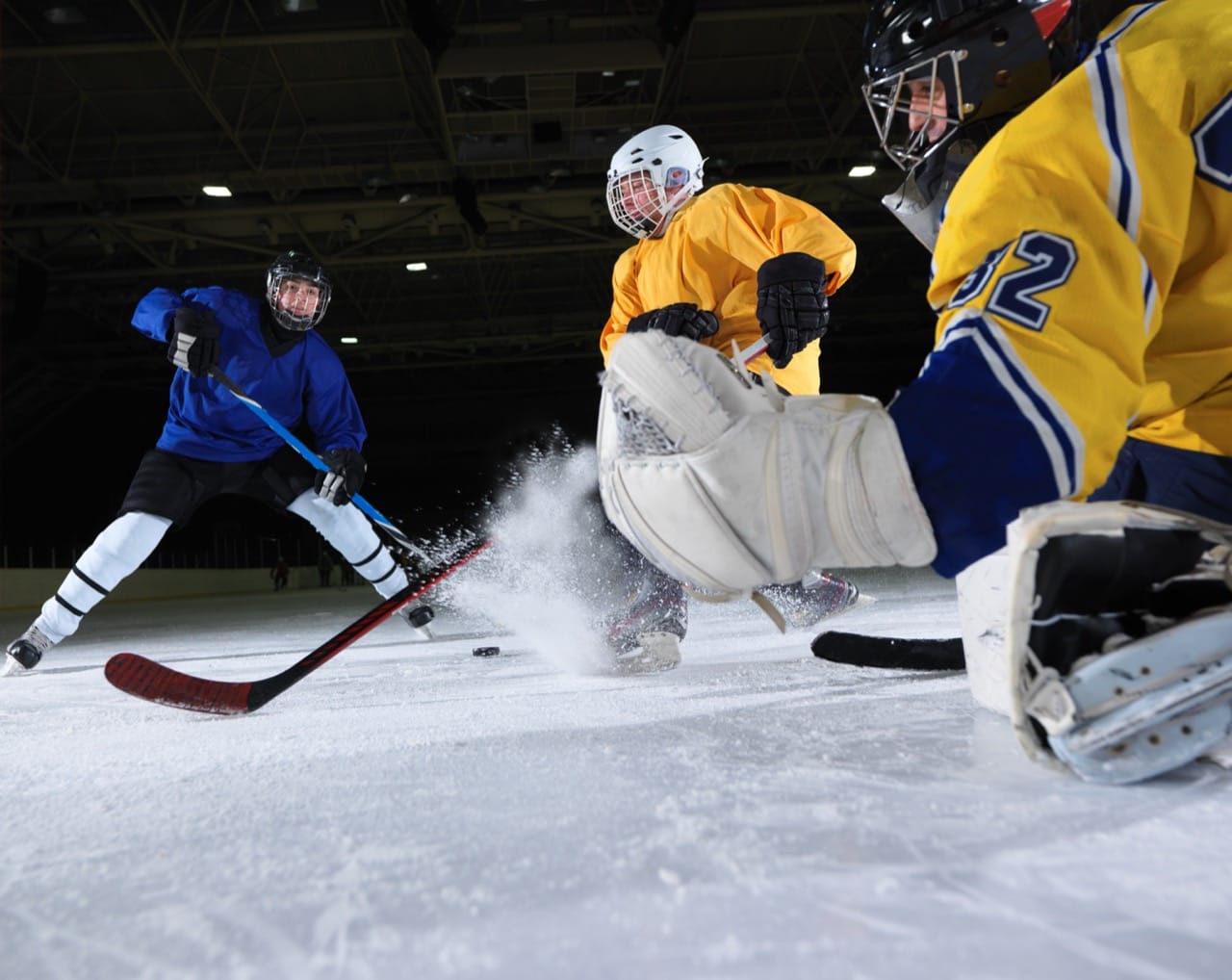
2000s Stanley Cup Champions Trivia
 Sports & RecreationNew
World Cups and 2000s Football Icons
 Sports & RecreationNew
World Cups and Superstars of 2000s Soccer
 Sports & RecreationNew