 MusicQ1
Which band released the 2002 album "Does This Look Infected?" known for aggressive pop punk guitar tones?
 MusicQ2
Which band released the 2001 album "Take Off Your Pants and Jacket" featuring guitar-driven hits like "The Rock Show"?
 MusicQ3
Which band’s 2004 single "I’m Not Okay (I Promise)" helped bring emo rock guitar to mainstream radio and TV?
 MusicQ4
Which annual traveling festival is strongly associated with 2000s pop punk and emo bands and their guitar-driven live sets?
 MusicQ5
Which band’s 2003 hit "Ocean Avenue" is a staple of 2000s pop punk guitar intros?
 MusicQ6
Which Green Day album (2004) centered its rock sound around the title track "American Idiot"?
 MusicQ7
Who is the lead guitarist of My Chemical Romance known for much of the band’s melodic lead work in the 2000s?
 MusicQ8
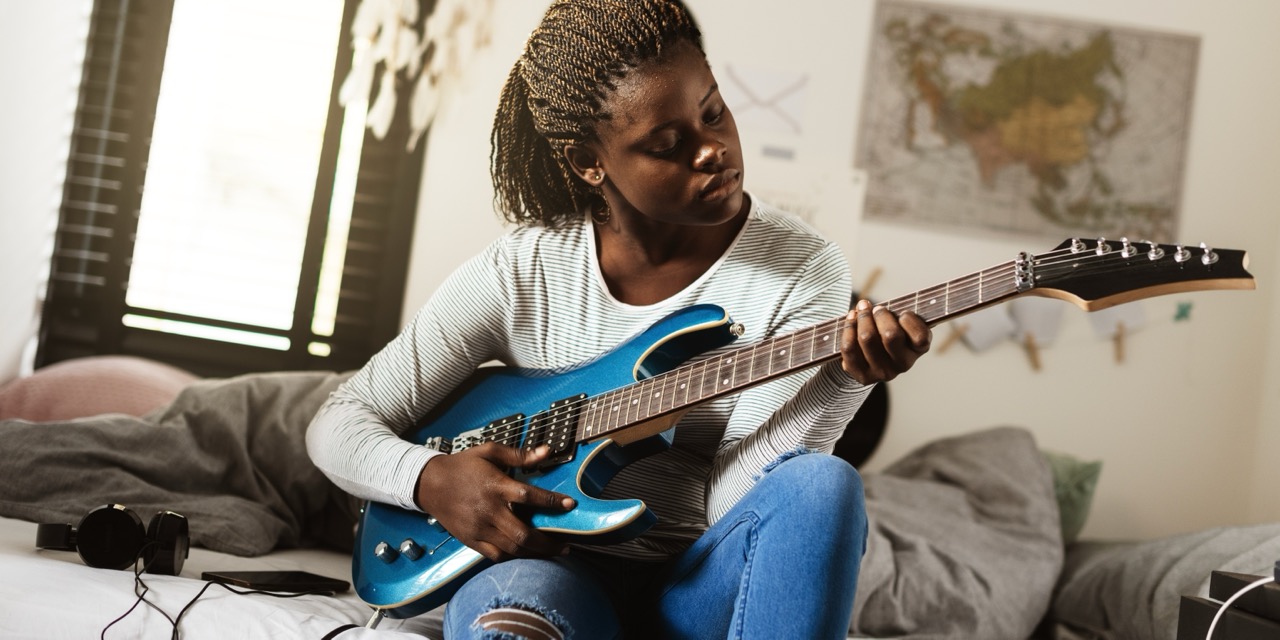
What is the common name for the guitar technique where the picking hand lightly rests on the strings near the bridge to create a tighter, muted sound?
 MusicQ9
Which emo band released the 2003 album "Deja Entendu" featuring guitar work on songs like "The Quiet Things That No One Ever Knows"?
 MusicQ10
Which guitarist is most associated with Fall Out Boy’s 2005 album "From Under the Cork Tree"?
 MusicQ11
Linkin Park's 2003 single "Numb" appeared on which album?
 MusicQ12
Which record label is closely linked to many 2000s pop punk and emo releases, including early Fall Out Boy and Panic! at the Disco?
Strummed Memories of 2000s Emo Reloaded: The Guitars, Gear, and Riffs That Defined a Decade
The 2000s turned electric guitar into a kind of emotional shorthand. A single palm-muted pattern could signal tension, a bright open chord could feel like relief, and a huge chorus built on power chords could turn private feelings into something you could shout with strangers. Rock, emo, and pop punk didn’t just dominate radio and MTV; they made bedrooms, basements, and parking-lot hangouts feel like rehearsal spaces, because so many of the era’s biggest songs were playable enough to invite imitation, yet distinctive enough to inspire obsession.
A big part of the decade’s sound came from the way guitars were arranged. Many bands leaned on two-guitar lineups where one player handled chunky rhythm while the other added melodic hooks, octaves, or harmonized leads. That approach helped songs stay heavy without losing sing-along clarity. You can hear it in the contrast between tightly muted verses and wide-open choruses, a dynamic trick that made emotions feel like they were physically expanding. Producers also favored layered takes, doubling rhythms hard left and right to create that wall-of-guitars effect that still feels instantly 2000s.
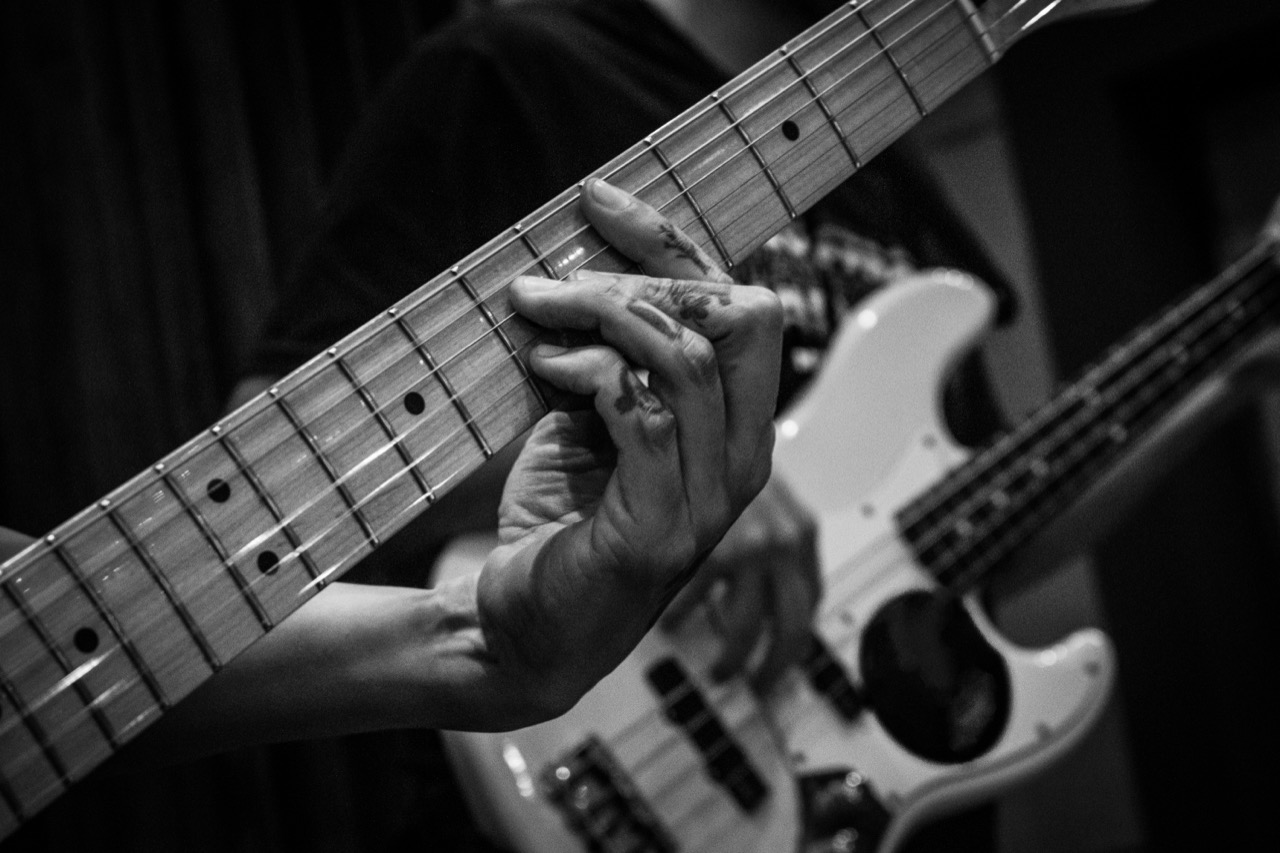
Technique mattered as much as songwriting. Palm muting became a rhythmic engine, especially in pop punk where fast downstrokes and chugging eighth notes pushed songs forward like a sprint. Octave riffs, borrowed from earlier punk and alternative rock, became a staple for adding melody without getting too busy. Many emo and post-hardcore bands used arpeggiated clean parts with lots of space, then slammed into distorted sections for maximum contrast. Drop tunings and down-tuned standard setups helped riffs hit harder, and they also made it easier to play thick-sounding power chords with less hand strain during long sets.
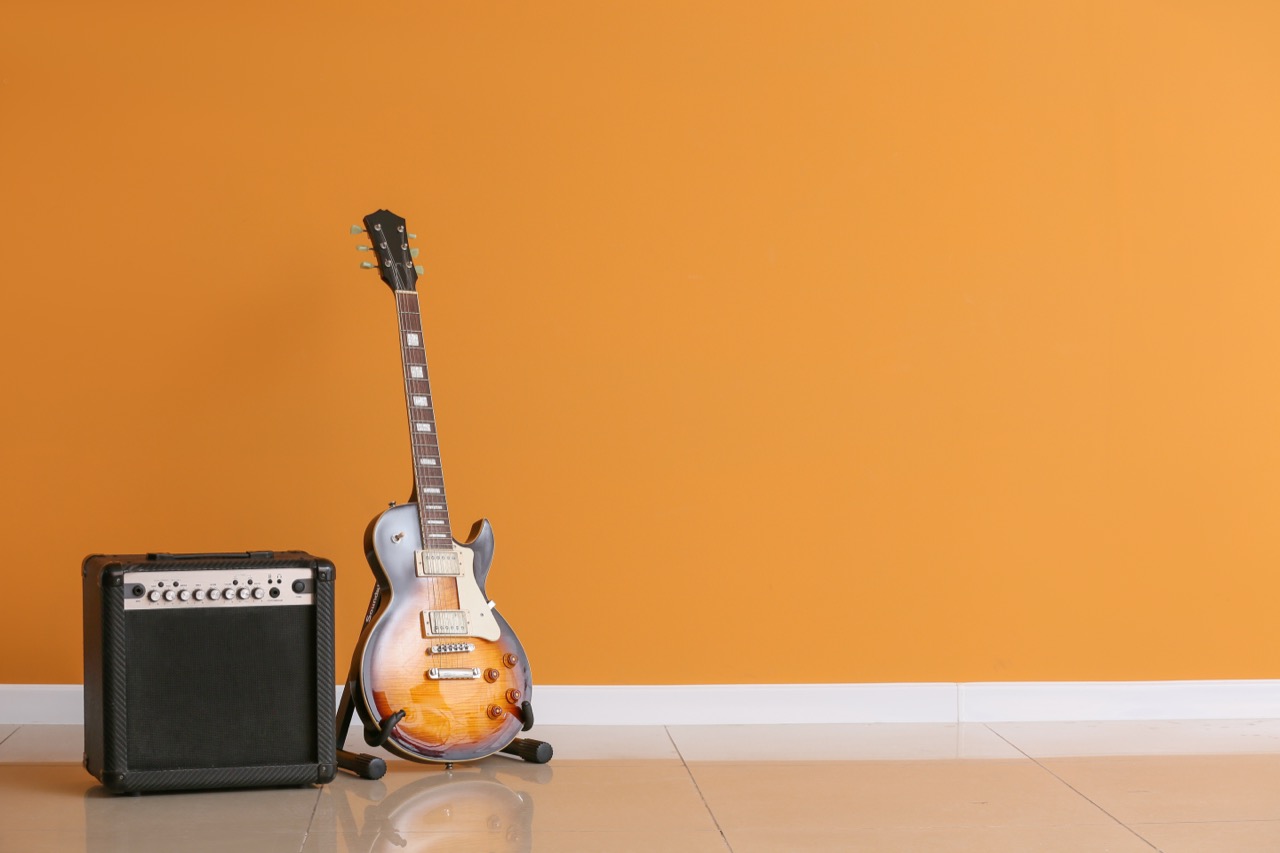
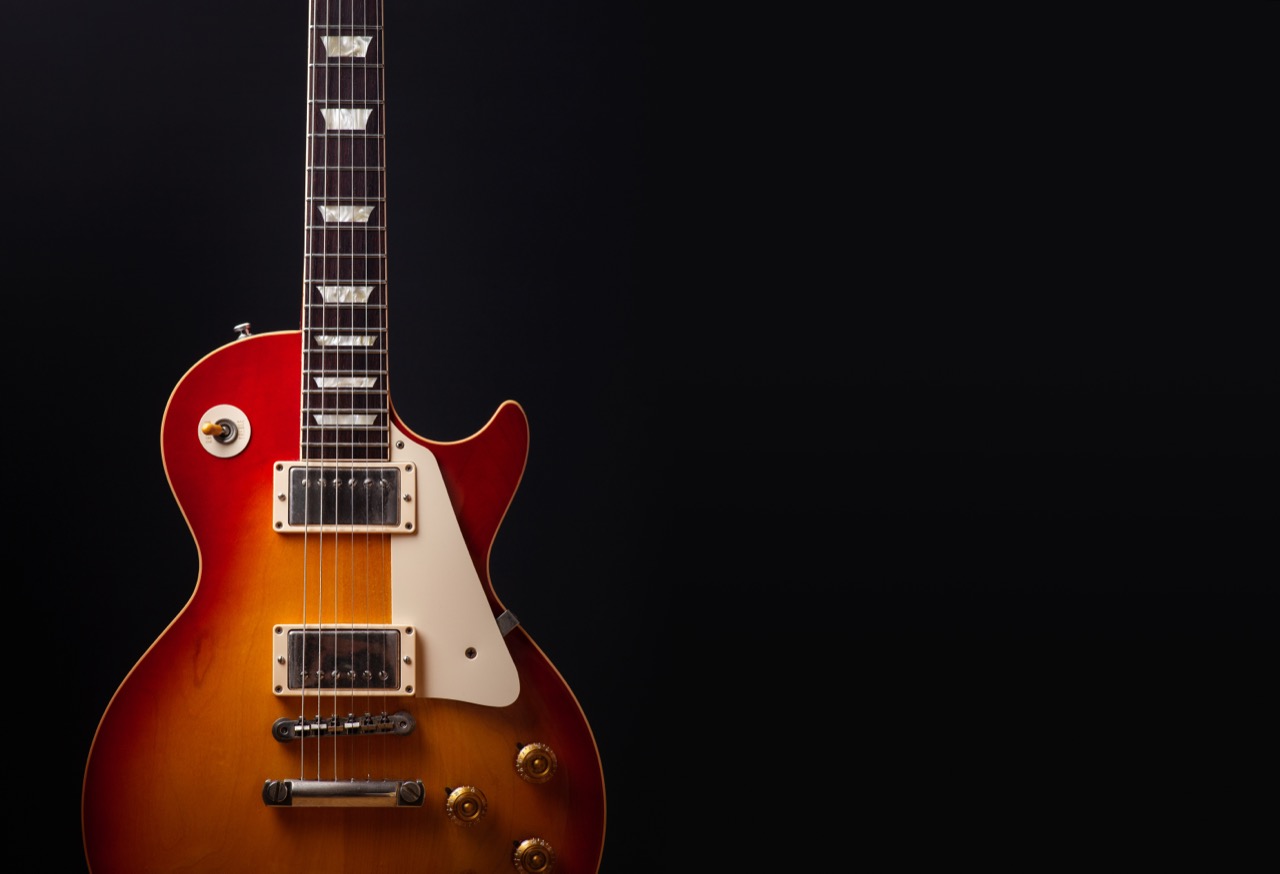
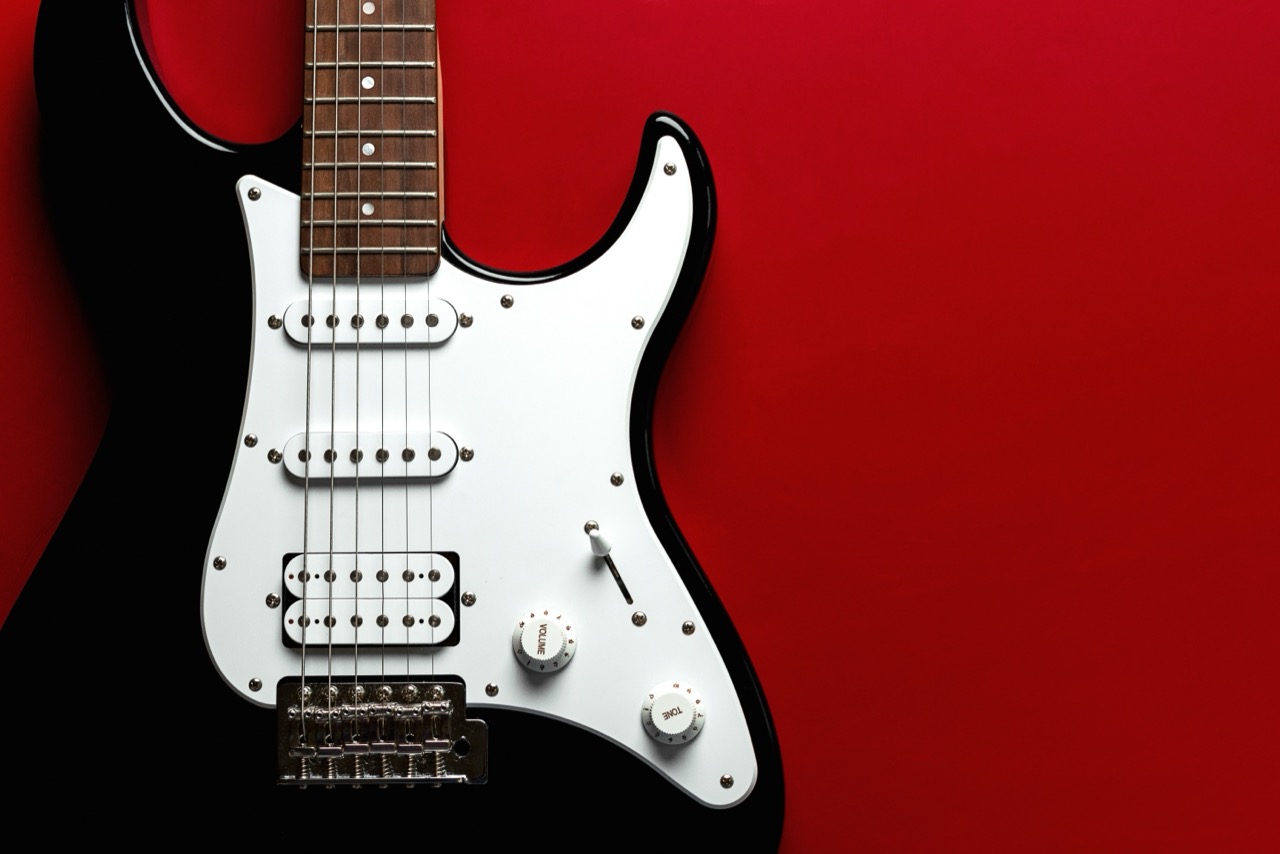
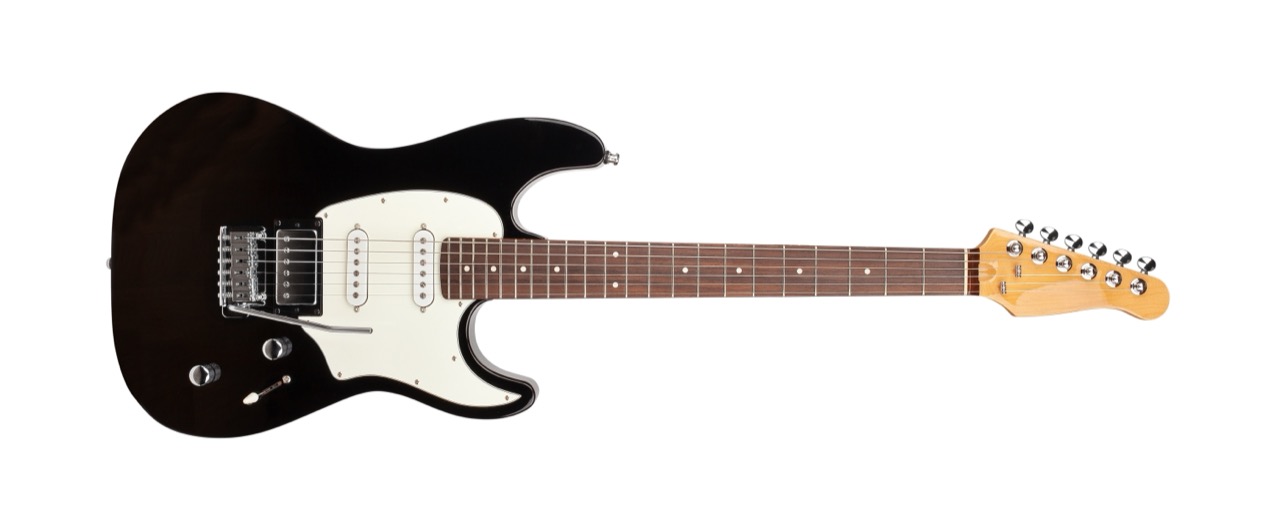
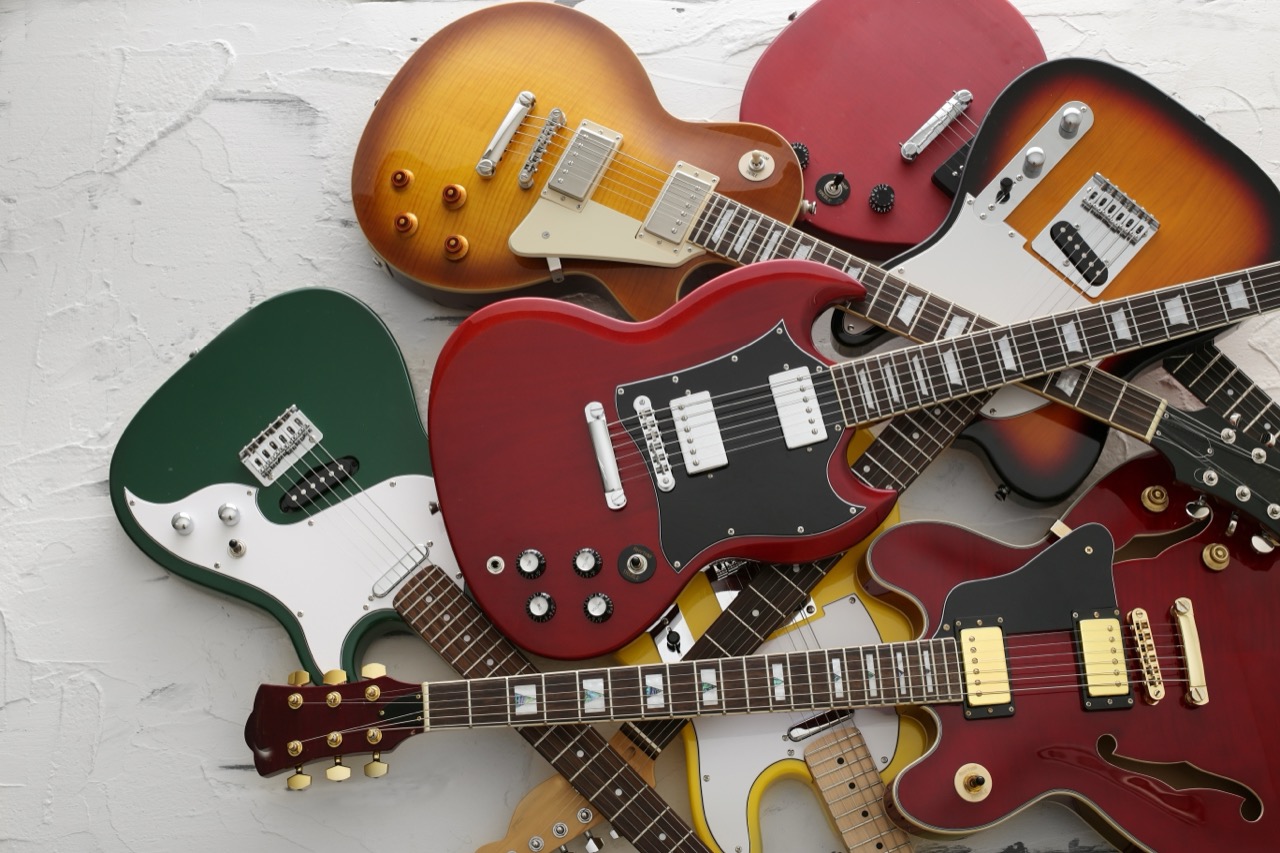
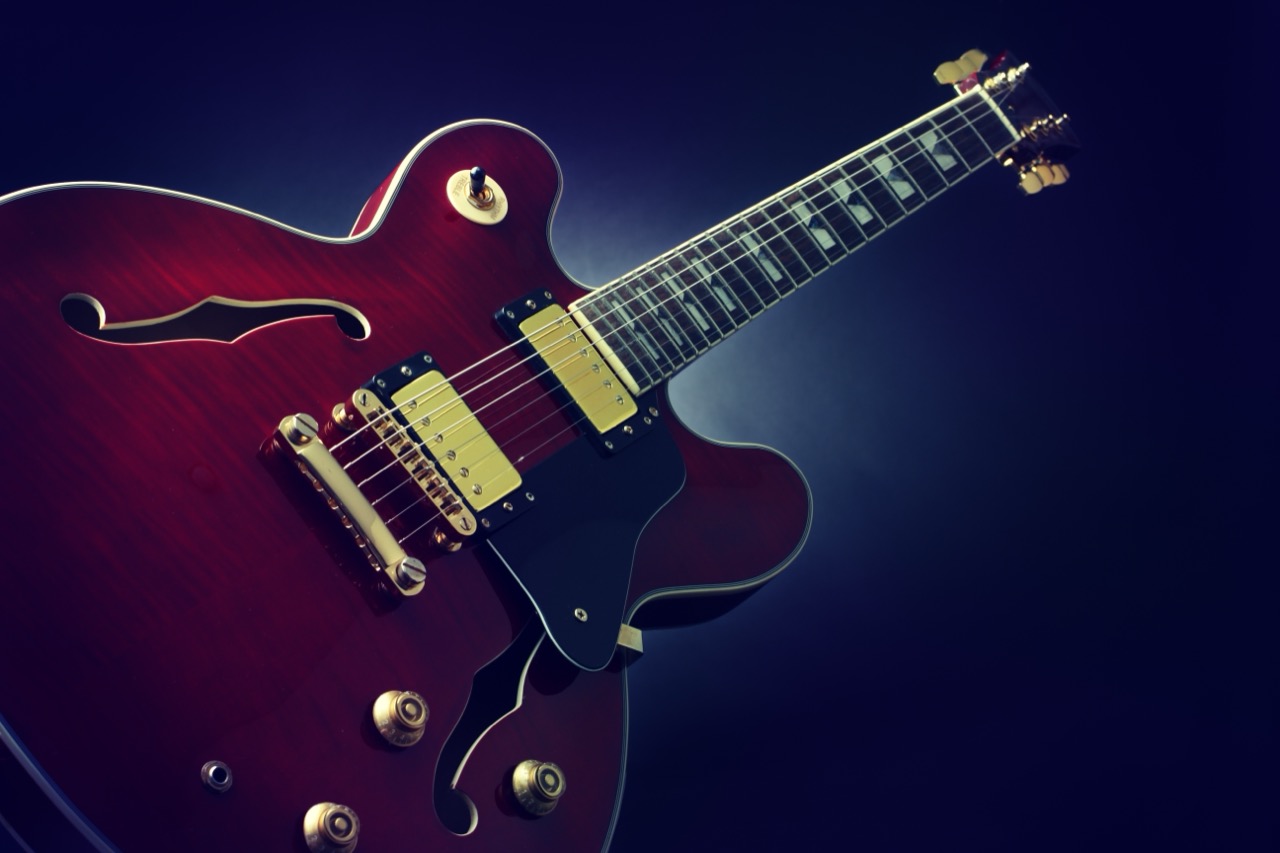
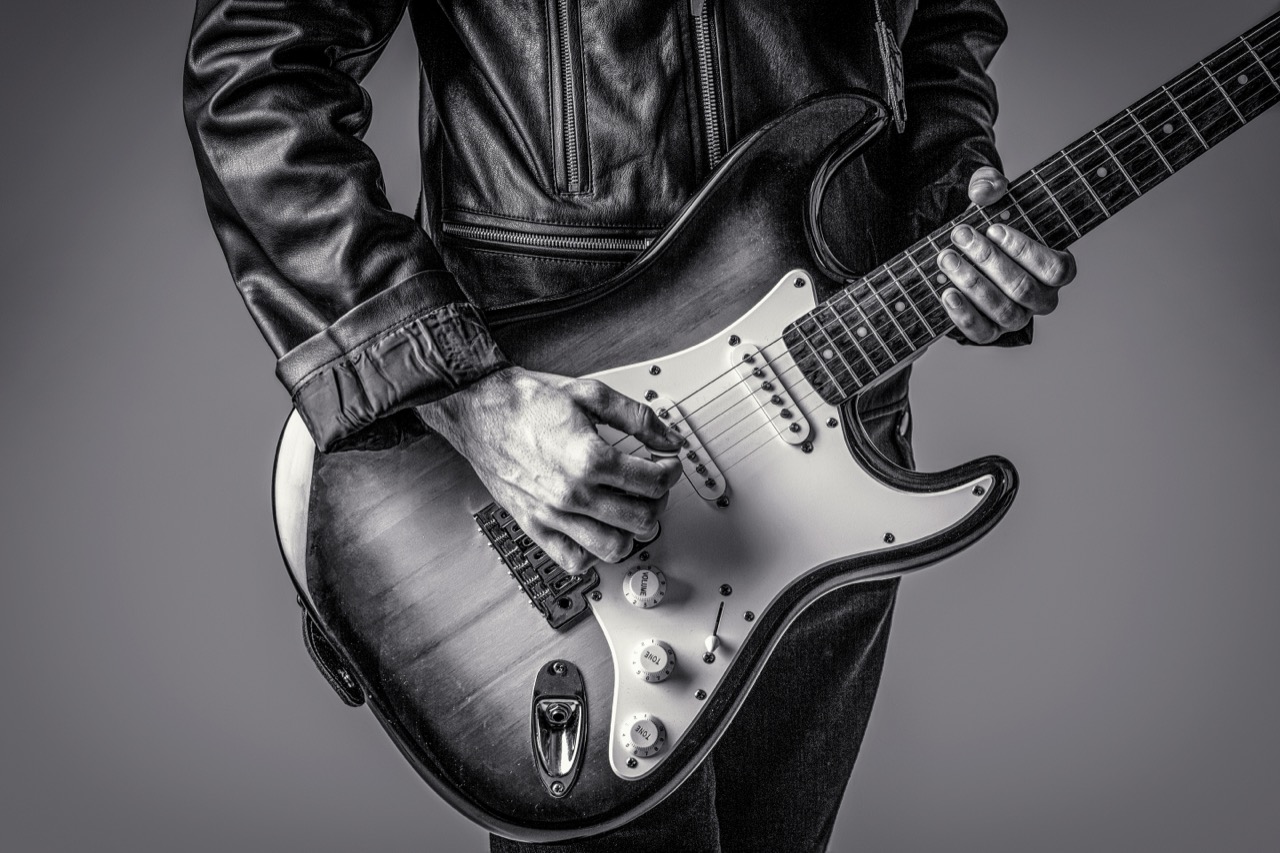
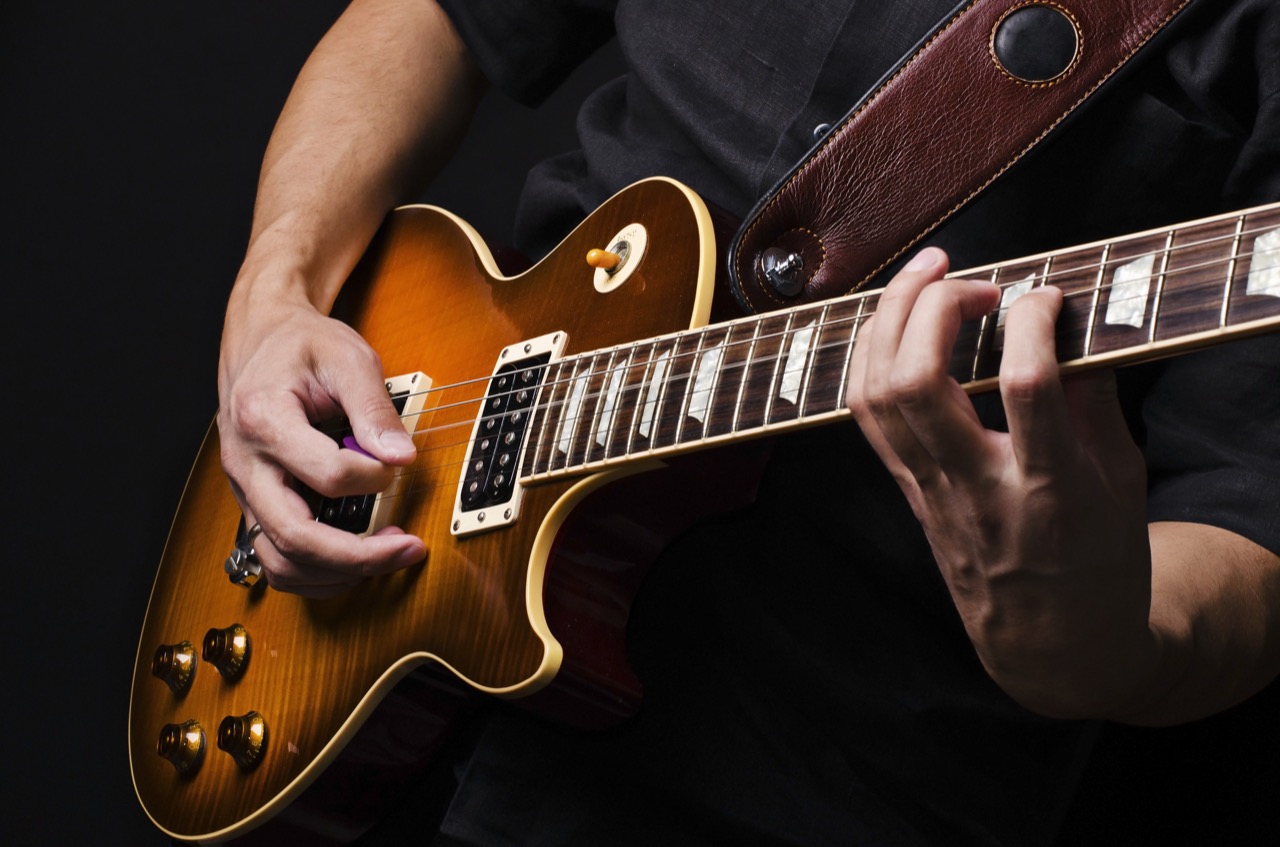
Gear choices helped carve out the era’s tones. You’d often see humbucker-equipped guitars like Les Paul-style models for thick distortion, alongside Fender-style guitars for brighter attack and clean sparkle. In pop punk, a tight, mid-forward distortion was common, often paired with relatively bright EQ so fast strumming stayed articulate. Emo and alternative bands frequently blended clean and dirty tones within the same song, using pedals or channel switching to jump from shimmering chords to saturated choruses. Common effects included chorus, delay, and reverb for atmosphere, plus overdrive pedals used less for raw gain and more to tighten an amp’s response. Even when players used different rigs, many chased the same goal: clarity under distortion so big chords didn’t turn to mud.
The scene’s ecosystem shaped what people heard and learned. Warped Tour acted like a moving laboratory where audiences could discover new bands, watch guitarists up close, and then go home to hunt down tabs. Music videos and live DVDs taught technique as much as they sold records, and internet forums made it easier to debate tunings, pickups, and amp settings. Labels associated with the era helped build recognizable rosters, which meant fans often followed a sound as much as a single band.
What makes 2000s emo and pop punk guitar so memorable is how directly it connects to feeling. These songs often used simple harmonic ideas, but they were arranged with precision: the right riff to start a track, the right stop-time before a chorus, the right lead line to make a bridge lift off. That balance of accessibility and identity is why so many people still remember the first riff they learned from the decade. The guitars weren’t just loud; they were conversational, turning diary-level emotions into something communal, and giving a generation a soundtrack they could literally play with their own hands.