 TV & MoviesQ1
In Drake & Josh, what is the name of their younger sister?
 TV & MoviesQ2
In The Fairly OddParents, what are the names of Timmy Turner’s fairy godparents?
 TV & MoviesQ3
In iCarly, what is the name of Carly’s older brother and legal guardian?
 TV & MoviesQ4
In Wizards of Waverly Place, what is the last name of the wizard siblings Alex, Justin, and Max?
 TV & MoviesQ5
In Kim Possible, what is the name of the handheld gadget Wade uses to send Kim mission info?
 TV & MoviesQ6
In Foster’s Home for Imaginary Friends, what is the name of the blue imaginary friend created by Mac?
 TV & MoviesQ7
In SpongeBob SquarePants, what is the name of the Krusty Krab’s rival restaurant run by Plankton?
 TV & MoviesQ8
In The Suite Life of Zack and Cody, what is the name of the hotel where most of the series takes place?
 TV & MoviesQ9
In Danny Phantom, what is Danny Fenton’s ghost-hero alias?
 TV & MoviesQ10
In Hannah Montana, what is the name of Miley Stewart’s best friend portrayed by Emily Osment?
 TV & MoviesQ11
In Phineas and Ferb, what is the full name of their pet platypus?
 TV & MoviesQ12
In Ben 10 (2005), what is the name of the alien device Ben finds that lets him transform?
Remembering 2000s Kids TV Networks: Names, Towns, Gadgets, and After-School Rituals
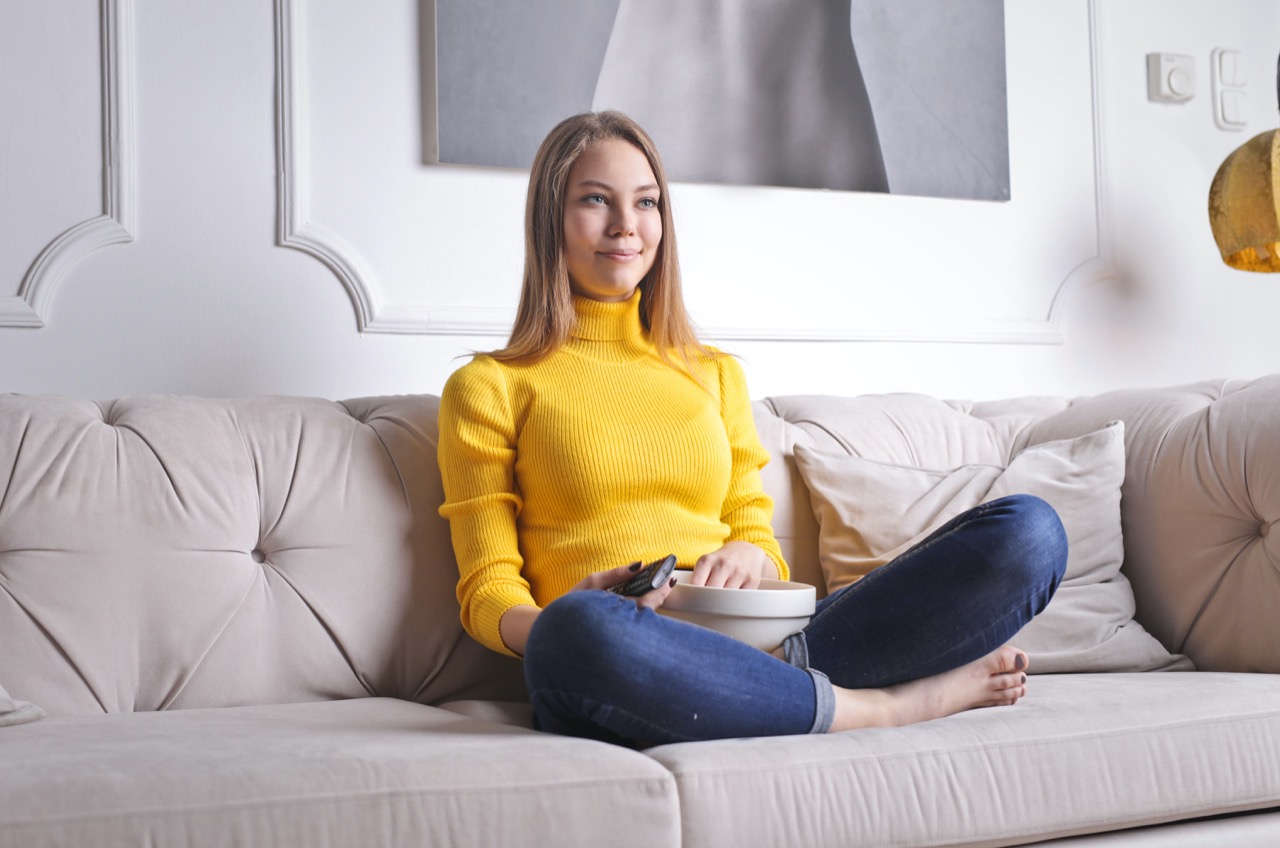
In the 2000s, kids TV on Disney Channel, Nickelodeon, and Cartoon Network felt like a shared language. You could flip channels after school and instantly land in a world where the details mattered: a character’s full name, the exact town on the mailbox, or the name of a gadget pulled from a backpack or secret lab. That attention to specifics is a big reason 2000s shows are perfect quiz material. They were built with repeatable formulas, catchy theme songs, and clear roles that made it easy to remember who did what, where they lived, and why the story worked.
A lot of the decade’s most memorable shows anchored their comedy and action in recognizable settings. SpongeBob SquarePants kept returning to Bikini Bottom landmarks like the Krusty Krab, the Chum Bucket, and Mrs. Puff’s boating school, turning everyday places into comedy engines. Fairly OddParents made Dimmsdale feel like a whole ecosystem, with Timmy Turner’s school life, neighborhood rivalries, and the secret rules of fairy magic all feeding into the plot. On Disney Channel, That’s So Raven leaned on the rhythms of school, family, and part-time jobs, while The Suite Life of Zack and Cody made a hotel feel like a complete neighborhood with its own staff hierarchy and routines.
Alter egos and double lives were another 2000s hallmark, and quizzes love them because they come with concrete, checkable facts. Hannah Montana depended on the tension between Miley Stewart and her pop-star identity, with specific friends, family members, and performance spaces that viewers could name years later. On Nickelodeon, Danny Phantom revolved around the moment Danny Fenton became a ghost-hunting superhero, balancing school with a whole catalog of villains and ghostly powers. Even shows without secret identities often had secret spaces: labs, hideouts, and headquarters that became as iconic as the characters.
Cartoon Network added its own flavor by making the strange feel routine. The Powerpuff Girls combined superhero action with school-day logic, while Dexter’s Laboratory turned a kid’s bedroom into a high-tech battleground of inventions, security systems, and sibling sabotage. Later in the decade, Ben 10 centered on one unforgettable device, the Omnitrix, and the idea that a single gadget could define an entire show’s structure: alien forms, transformation rules, and escalating threats. These series made it easy to build quiz questions around specific tools, catchphrases, and recurring antagonists.
Bands and performance plots also helped cement details in memory. Disney Channel embraced fictional music careers and on-screen performances, which naturally produced named songs, venues, and group identities that fans could recall. Nickelodeon’s teen comedies often used school talent shows, local hangouts, and friend-group projects to create repeatable set pieces. Across networks, sidekicks and best friends were rarely generic; they had clear traits and signature obsessions, like snack cravings, tech expertise, or fearless enthusiasm, giving viewers another set of identifiers to latch onto.
What makes 2000s kids TV especially quiz-friendly is that it rewarded attention. Episodes repeated key information through theme songs, running gags, and familiar locations. Networks also reinforced memory through bumpers, marathons, and back-to-back reruns, meaning you didn’t just watch a show once; you absorbed its vocabulary. If you can still picture a character’s locker, remember a town name, or name the gadget that kicked off the adventure, you’re not just nostalgic. You’re remembering how these shows were designed: to be instantly recognizable, endlessly rewatchable, and packed with details that stick.
Up next in TV & Movies
All 39 TV & MoviesNew
2000s Reality TV Competition Trivia
 TV & MoviesNew
2000s Reality and Talent Show Firsts
 TV & MoviesNew
Reality TV Breakthroughs of the 2000s
 TV & MoviesNew
2000s Kids TV Premieres
 TV & MoviesNew
Disney, Nick and Cartoon Network in the 2000s
 TV & MoviesNew