 Video GamesQ1
Which classic game came preloaded (as Snake II) on the hugely popular Nokia 3310 phone launched in 2000?
 Video GamesQ2
Which PSP game is generally recognized as the best-selling title on the platform worldwide?
 Video GamesQ3
Which slimmer, brighter redesign of the Nintendo DS launched in 2006?
 Video GamesQ4
Which Nintendo DS game is widely cited as the best-selling title on the system worldwide?
 Video GamesQ5
Which 2006 Nintendo DS release, made with Opera, brought web browsing to the handheld and came with a memory expansion pak?
 Video GamesQ6
Which 2009 mobile game became a global hit and is widely credited with helping kick off the modern smartphone game boom?
 Video GamesQ7
Which Nintendo DS game is best known for selling with a pet-simulation hook and for being released in multiple dog-themed editions?
 Video GamesQ8
Which Game Boy Advance title is commonly credited as the best-selling game on the system worldwide?
 Video GamesQ9
Which 2005 Nintendo DS game from Atlus had players performing surgery with the stylus?
 Video GamesQ10
Which 2005 Japan-only Nintendo DS rhythm game starred a male cheer squad and inspired the Western spin-off Elite Beat Agents?
 Video GamesQ11
Which DS game series, launched in the mid-2000s, became famous for record-breaking brain-training sales and popularizing “non-gamer” handheld play?
 Video GamesQ12
Which PSP model revision, released in 2007, was known for being lighter and thinner than the original while adding video-out capability?
Handheld Record Breakers of the 2000s: The Decade Pocket Gaming Went Huge
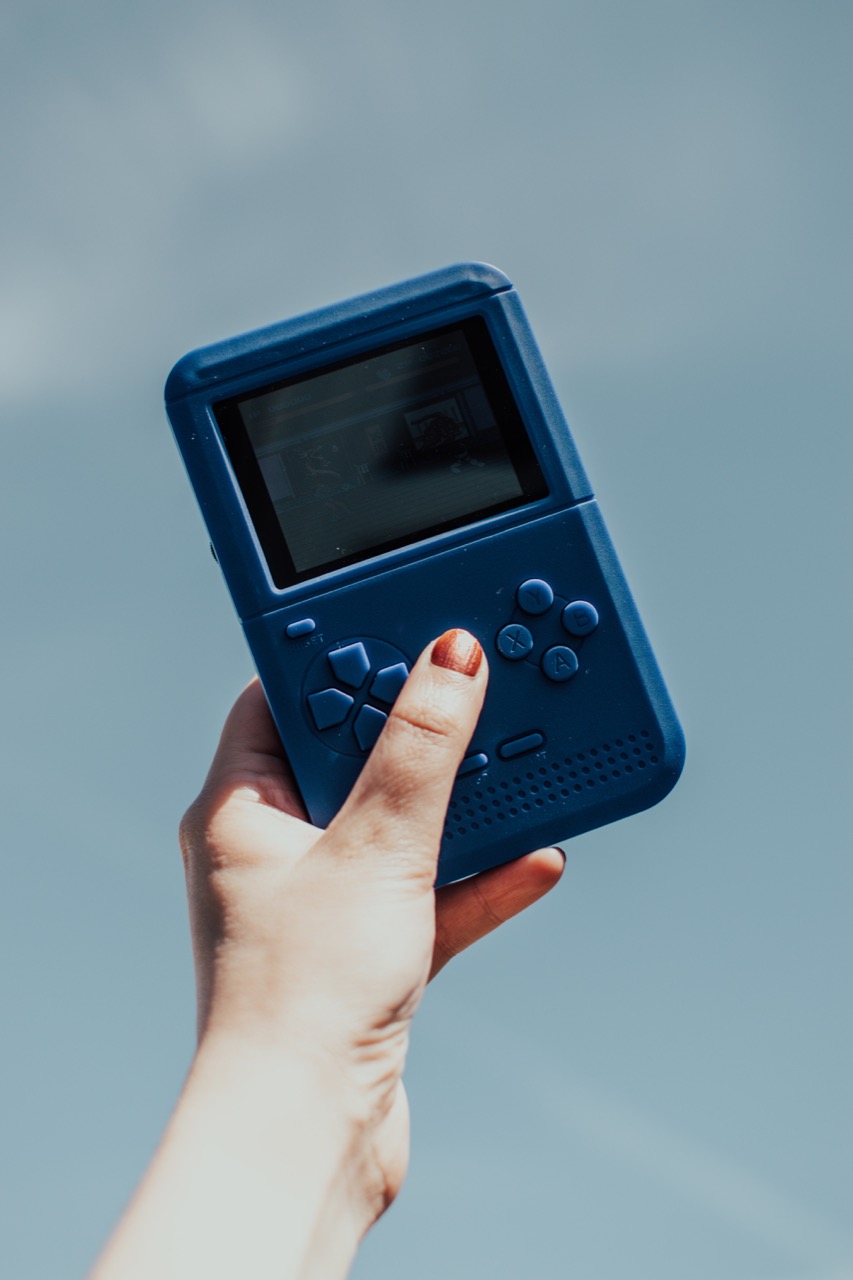
In the 2000s, handheld gaming stopped being a side hobby and became a headline-making business, driven by a mix of daring hardware and games that reached audiences far beyond traditional players. The decade opened with Nintendo’s Game Boy Advance, a system that proved 2D games could still look sharp and feel modern. Even as home consoles chased realism, the GBA delivered richly animated sprites, bright colors, and fast loading. It also became a record setter through sheer volume of beloved releases, including Pokemon Ruby and Sapphire, which helped keep portable gaming in the mainstream and demonstrated how a handheld title could move millions of copies worldwide.
The biggest shift came in 2004 with the Nintendo DS, which turned two screens and a touch panel into a new language for game design. The DS was a sales phenomenon, but the real record-breaking story was how it expanded the market. Games like Nintendogs and Brain Age became cultural touchstones, selling in huge numbers to people who did not think of themselves as gamers. Brain Age in particular became famous for driving daily play habits and for being marketed almost like a lifestyle product. Mario Kart DS and New Super Mario Bros. also posted massive sales, showing that the system could dominate with both experimental software and classic franchises.
If the DS was about surprising new audiences, Sony’s PlayStation Portable was about ambition. The PSP aimed for console-like presentation on the go, and it delivered with sharp widescreen visuals and strong multimedia features for the era. Monster Hunter Freedom and its sequels became a portable obsession in Japan, helping define the idea of local, social handheld play in public spaces. The PSP also attracted unusual accessories and experiments, including camera add-ons and GPS features in some regions, reflecting a time when companies were still figuring out what a handheld could be besides a game machine.
Handheld records in the 2000s were not only about unit sales. They were also about extremes in design and marketing. The DS’s touch screen inspired a wave of accessories, from styluses shaped like pens to bulky peripherals that tried to turn the system into instruments, controllers, or fitness tools. Nintendo’s willingness to embrace odd ideas helped create breakout hits that would have seemed risky on a home console. The decade also saw limited editions, bundle launches, and region-specific crazes that could make a single title feel like an event.
Meanwhile, the quiet revolution was happening on phones. Early in the decade, mobile games were mostly simple diversions, but by the late 2000s they were becoming global phenomena. The launch of app stores and more capable devices turned mobile into a platform where downloads could reach numbers that traditional handheld cartridges rarely matched. Even before the modern smartphone boom fully took over, mobile gaming was already proving that the biggest audience might be the one carrying a device for calls first and games second.
What makes the 2000 to 2009 period so fascinating is how many different kinds of records were being set at once. One handheld could break sales charts by appealing to families and older adults, while another pushed technical limits and multimedia features. Some games became bestsellers by being universally approachable, others by building dedicated communities that played together in person. The decade’s handheld record breakers did not just sell well. They changed where and how people played, and they set expectations for portable gaming that still shape the industry today.