 Video GamesQ1
Which Nintendo handheld launched in 2001 as the successor to the Game Boy Color?
 Video GamesQ2
In many regions during the 2000s, what technology label most commonly described downloadable phone games that ran across many different handset brands?
 Video GamesQ3
Which PSP game, released in Japan in late 2005, sparked a multiplayer hunting craze that boosted the PSP's popularity there?
 Video GamesQ4
What is the name of the online service Sony launched for PSP game downloads and digital purchases in the 2000s?
 Video GamesQ5
Which regional mobile service is strongly associated with Japan’s early 2000s mobile gaming boom and downloadable games?
 Video GamesQ6
Which 2005 Nintendo DS game from Atlus had players performing surgery with the stylus?
 Video GamesQ7
What was the name of the PSP’s proprietary physical media format used for games and movies?
 Video GamesQ8
Which Nokia phone game, first released in 2001, had players steer a bouncing red ball through side-scrolling levels?
 Video GamesQ9
Which DS feature enabled local wireless multiplayer without requiring separate game cartridges for every player in many titles?
 Video GamesQ10
Which Nintendo DS model released in 2008 introduced built-in cameras and a larger screen?
 Video GamesQ11
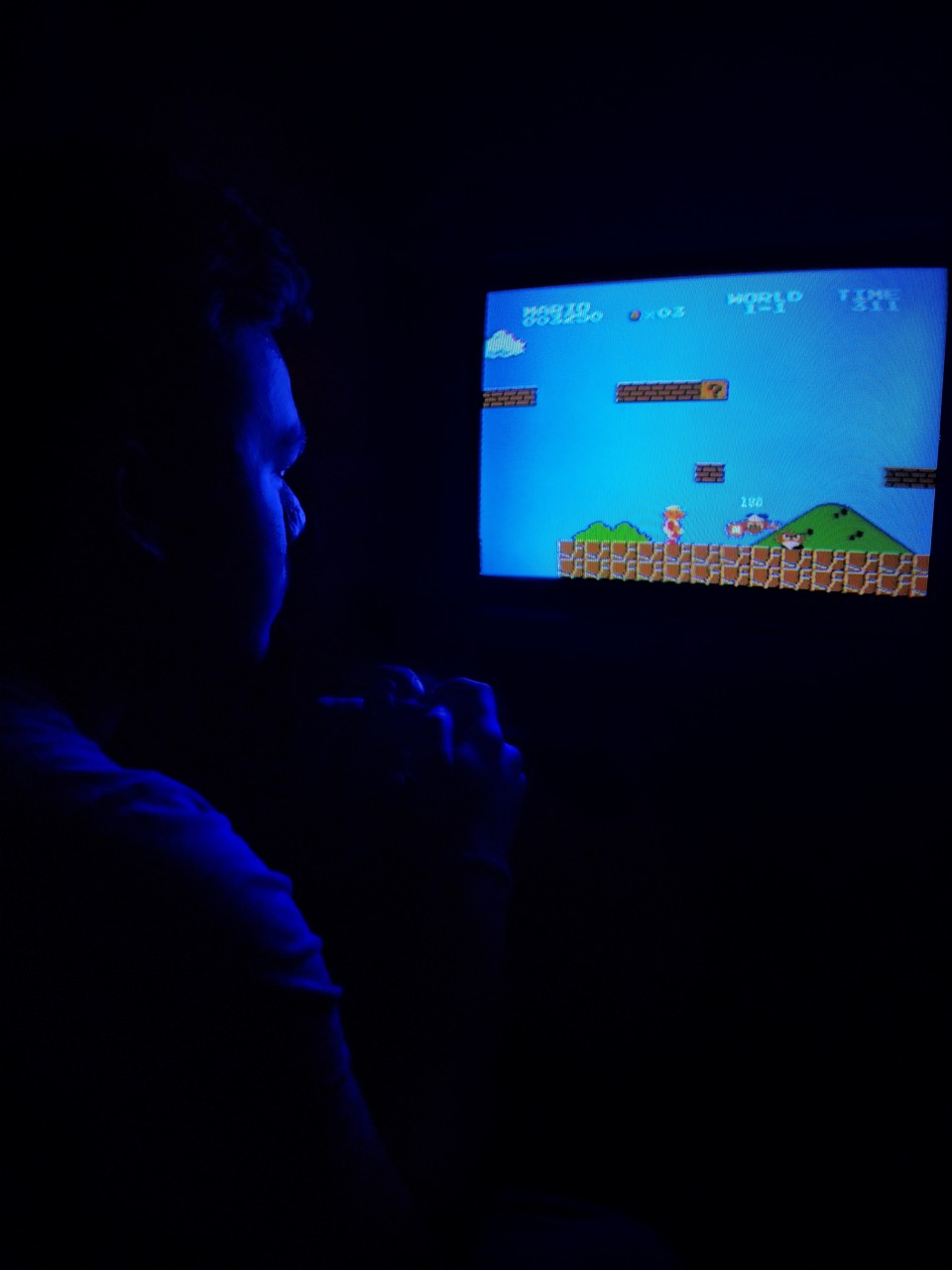
Which 2004 line of Game Boy Advance cartridges re-released original NES games like Super Mario Bros.?
 Video GamesQ12
What distinctive input feature helped define the Nintendo DS compared with the Game Boy Advance?
Pocket Powerhouses: How Handheld Gaming Went Global in the 2000s

In the 2000s, handheld gaming became a shared global habit, but it did not look the same everywhere. What united players was the idea that serious games could live in your pocket, on a commute, between classes, or under the covers at night. What made the decade fascinating was how different devices and regions shaped what people played and how they discovered new games.
Nintendo entered the era with the Game Boy Advance in 2001, a sleek successor that kept the familiar cartridge approach while offering a big jump in color and performance. The GBA was a safe bridge between generations, and it kept long running series thriving with entries such as Pokemon Ruby and Sapphire, The Legend of Zelda The Minish Cap, and Metroid Fusion. It also became a haven for remakes and compilations, letting new players experience older hits. Multiplayer was still a physical ritual: link cables, friends gathered close, and the occasional tangled wire. Later revisions like the GBA SP added a clamshell design and a frontlit then backlit screen, quietly solving the biggest complaint about the original model: needing perfect lighting.
The Nintendo DS, launched in 2004, changed the conversation by making unusual features feel normal. Dual screens, a microphone, and a stylus driven touch screen encouraged games that were less about memorizing button combos and more about direct interaction. Nintendogs, Brain Age, and Professor Layton became cultural touchstones in places where traditional console gaming had been niche, and the system’s local wireless play made spontaneous multiplayer easier than ever. The DS also pushed a new distribution habit: download stations in stores and events, and later Nintendo Wi-Fi Connection, which helped handhelds feel connected rather than isolated.
Sony’s PlayStation Portable, released in 2004 in Japan and 2005 elsewhere, offered a different dream: console style visuals and multimedia in a portable device. Its UMD discs were a bold format choice, used for games and even movies, and the PSP’s wide screen made it feel like a pocket theater. Games like Monster Hunter Portable became a social phenomenon in Japan, where local multiplayer sessions in cafes and trains turned the PSP into a shared hobby. In other regions, series such as God of War, Wipeout, and Grand Theft Auto showed how far portable hardware could stretch, even if battery life and loading times reminded players they were carrying something ambitious.
Alongside dedicated handhelds, mobile gaming quietly exploded. In Europe and many other regions, Java based downloads let people buy small games over carrier portals, often shaped by what phones could handle and what networks allowed. In Japan, i-mode and other mobile internet services created a distinctive ecosystem where downloadable content, social features, and branded tie-ins arrived early and at scale. Meanwhile, ringtone era phones hosted simple but addictive staples like Snake, and by the late 2000s early smartphones began to shift expectations toward richer touch based experiences. That shift accelerated after app stores arrived, making discovery easier and turning mobile games into a global marketplace.
By 2009, handheld gaming was no longer a single story. It was link cables and styluses, cartridges and UMDs, quick Java time killers and deep role playing adventures. The decade proved that portable play could be both local and worldwide at once, shaped as much by culture and infrastructure as by hardware specs.