 TV & MoviesQ1
Which ABC series that premiered in 2004 begins with survivors of Oceanic Flight 815 stranded on a mysterious island?
 TV & MoviesQ2
Which long-running medical drama that began in 2005 is set at Seattle Grace Hospital (later renamed) and helped popularize the term “McDreamy”?
 TV & MoviesQ3
Which premium-cable drama that premiered in 2002 is set in Baltimore and is often praised for its realistic portrayal of institutions like the police, schools, and the press?
 TV & MoviesQ4
Which animated series that premiered in 2005 features the Smith family and an alien named Roger, and was created by Seth MacFarlane, Mike Barker, and Matt Weitzman?
 TV & MoviesQ5
Which singing competition premiered on Fox in 2002 and became the top-rated show on U.S. television for much of the decade?
 TV & MoviesQ6
Which series that premiered in 2008 follows chemistry teacher Walter White as he begins producing methamphetamine?
 TV & MoviesQ7
Which teen drama that premiered in 2003 is primarily set in Orange County, California, and centers on Ryan Atwood joining the Cohen family?
 TV & MoviesQ8
Which 2000s comedy series is known for its mockumentary style and the paper company Dunder Mifflin?
 TV & MoviesQ9
Which comedy trio made the 2005 SNL Digital Short “Lazy Sunday,” which went viral online?
 TV & MoviesQ10
Which CBS sitcom that premiered in 2005 follows a group of friends in New York City and is narrated by an older Ted Mosby?
 TV & MoviesQ11
Which 2000s series popularized the modern reality-competition format in the U.S. by placing strangers on an island to outwit and outlast each other?
 TV & MoviesQ12
Which action-thriller series that premiered in 2001 is structured around a single day, with each season taking place over 24 hours?
Binge or Brag: The TV Types That Defined the 2000s
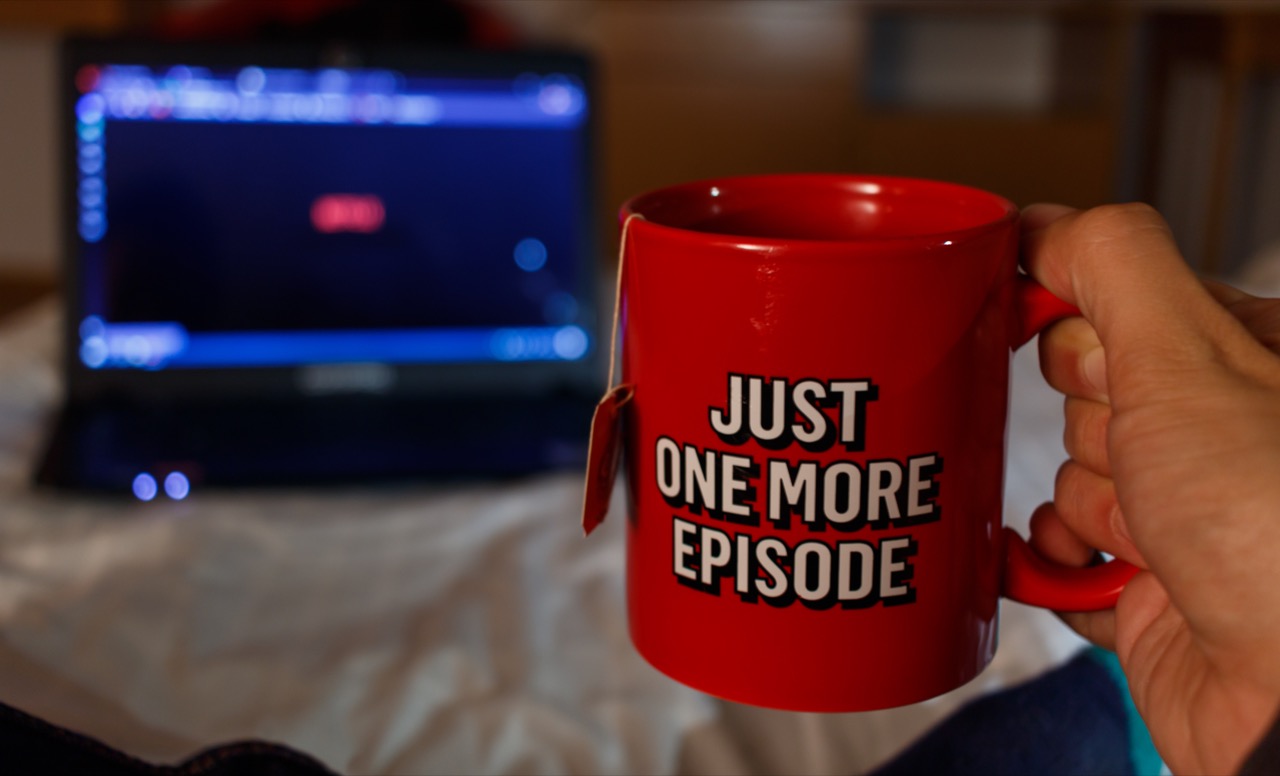
The 2000s were a turning point for television, a decade when viewers learned to juggle appointment TV, DVRs, DVD box sets, and the early stirrings of streaming. What made the era feel so alive was the variety: reality competitions turned ordinary people into weekly cliffhangers, mockumentary sitcoms made awkward silence a punchline, and prestige dramas proved that television could deliver the depth once reserved for movies. If you remember channel surfing between a survival showdown, a workplace comedy, and a morally complicated antihero, you remember the decade’s defining TV types.
Reality television didn’t begin in the 2000s, but it became a dominant grammar of TV storytelling. Survivor helped popularize the idea of a season-long elimination game with alliances, blindsides, and a finale that felt like a sporting event. American Idol made the audition montage and the weekly vote into national ritual, turning contestants into pop stars and viewers into judges. The confessional interview, where cast members narrate feelings directly to the camera, became so common that it shaped how later reality series were edited and even how audiences expected “authenticity” to look. The Amazing Race added a travelogue adrenaline rush, while Project Runway and Top Chef made specialized skill competitions feel dramatic and accessible.
At the same time, sitcoms found new ways to look real. The mockumentary style, with talking-head interviews and handheld camerawork, moved from cult British origins to mainstream American success. The Office turned everyday work frustrations into comedy by leaning on uncomfortable pauses, glances to camera, and a sense that the viewer was part of the room. Parks and Recreation and Modern Family followed, proving the format could support warmer, ensemble-driven storytelling. Even shows that weren’t strict mockumentaries borrowed the “documentary” feel, favoring naturalistic acting and tighter, more observational humor.
The decade’s biggest shift in ambition came from prestige drama, especially on premium cable. The Sopranos bridged the late 1990s into the 2000s and helped establish the antihero era, where a lead character could be charismatic and repellent at once. The Wire treated a city like a living system, layering institutions, politics, and street-level stories with novelistic detail. Later, Breaking Bad turned Albuquerque into a character of its own, using the desert landscape to frame a transformation story that escalated with meticulous cause and effect. Mad Men made period detail and psychological nuance feel thrilling, while Dexter and House showed how far networks could push darker or more idiosyncratic leads.
Teen soaps and young-adult dramas also evolved, blending heightened emotion with self-awareness. The O C packaged California glamour with indie music and sharp cultural commentary, while One Tree Hill and Gossip Girl delivered rivalries, romances, and betrayals with a fast-paced, quote-ready sheen. These shows helped cement the idea that music supervision, fashion, and location could be as important as plot, and they thrived in an era when fans dissected episodes on forums and recapped them online.
Genre television got bolder too. Lost made serialized mystery a mainstream obsession, encouraging viewers to hunt for clues and debate theories between episodes. Battlestar Galactica reimagined science fiction as political and philosophical drama, and Doctor Who’s revival introduced a new generation to time-travel adventure. Heroes briefly captured the feeling that comic-book storytelling could belong on primetime, and Supernatural built a long-running mythology by mixing monster-of-the-week structure with an ongoing family saga.
Animation and late-night comedy rounded out the decade’s viewing habits. Adult Swim expanded the space for weird, experimental animation, while Family Guy’s revival proved that fan devotion and reruns could resurrect a canceled series. In late night, The Daily Show and The Colbert Report reshaped political comedy for a generation, blending news parody with real influence on how audiences processed current events.
All of these formats competed and cross-pollinated, teaching TV to be more serialized, more character-driven, and more interactive. The 2000s didn’t just produce memorable shows; it trained viewers to watch differently, to follow seasons like chapters, to quote catchphrases the next day, and to treat the small screen as a place where any genre could become an event.