 Internet CultureQ1
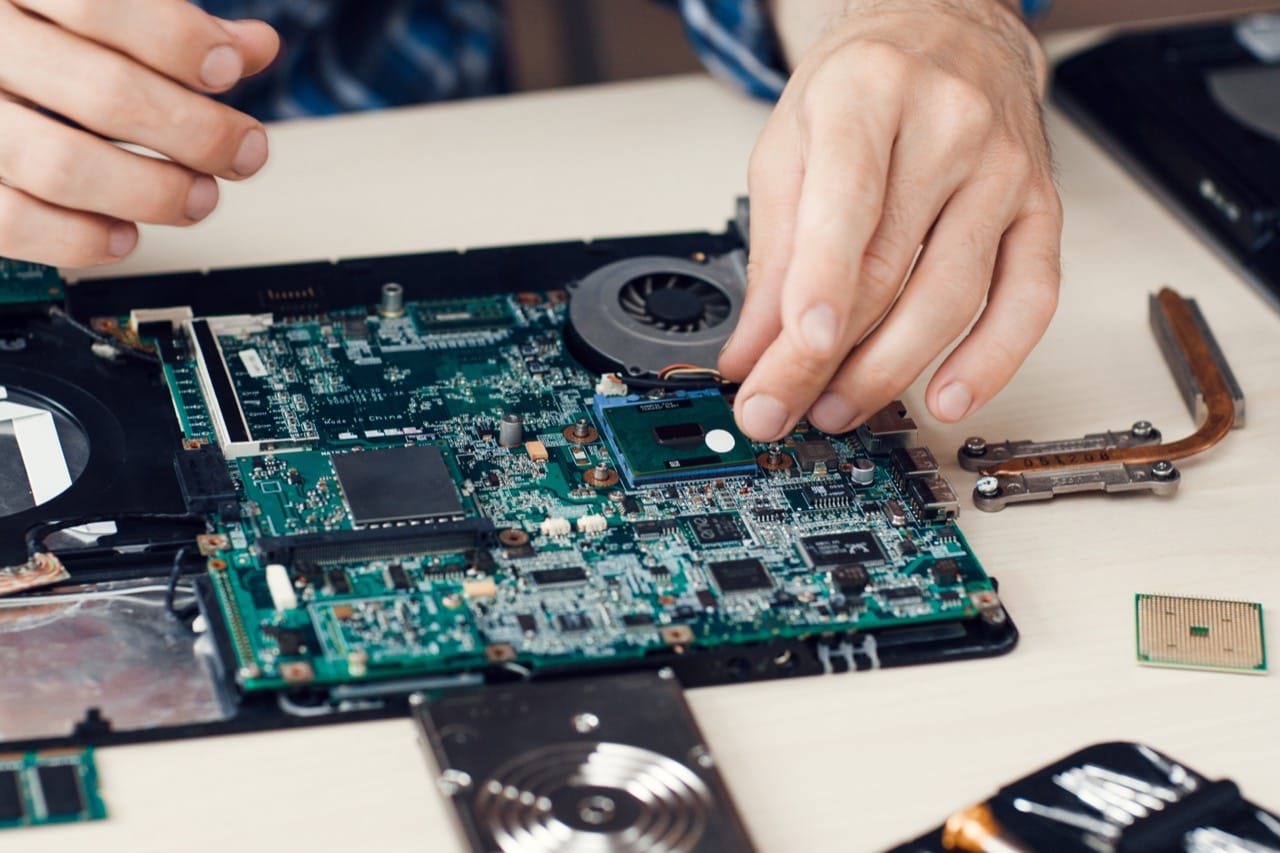
Which infamous 2003 computer worm exploited Windows vulnerabilities and caused widespread internet slowdowns?
 Internet CultureQ2
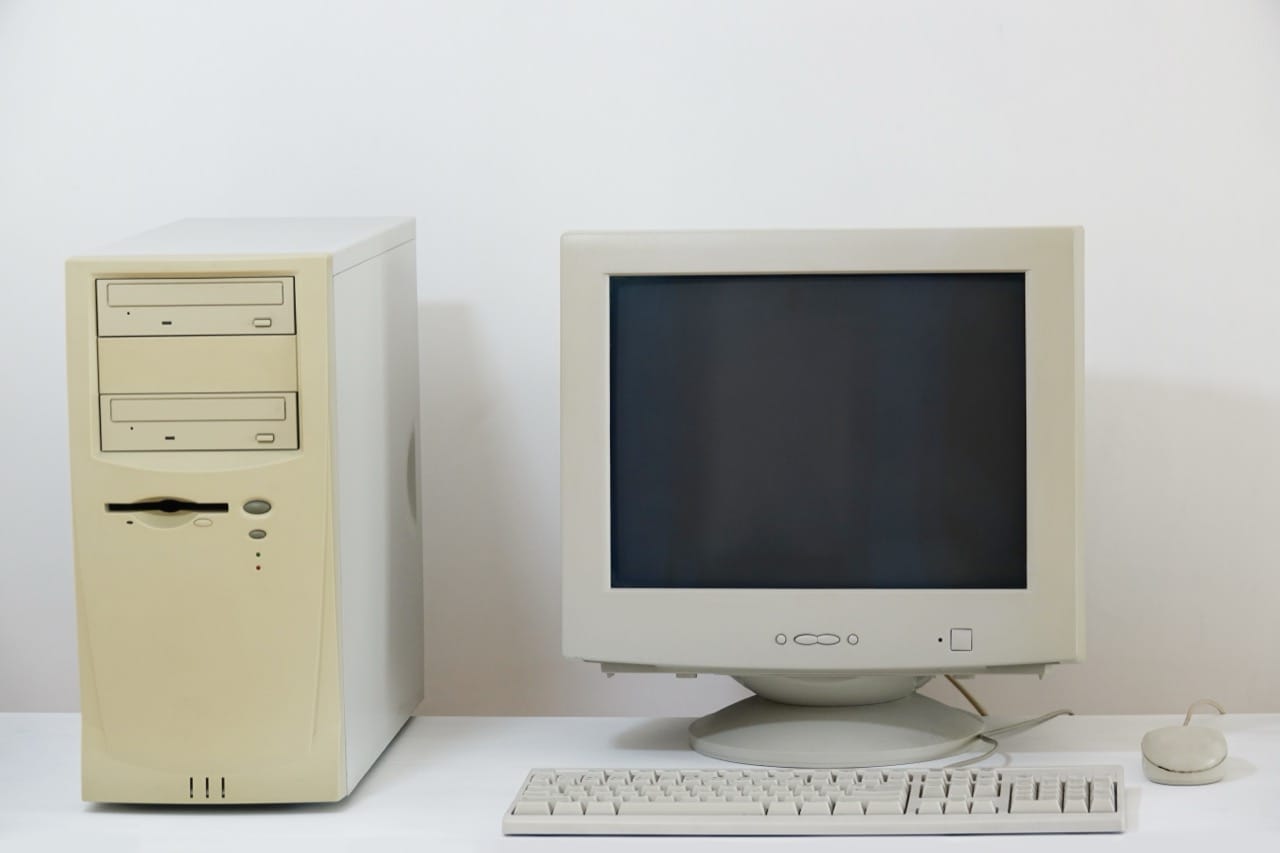
What was the name of the early 2000s Flash web series whose popular “Strong Bad Email” cartoons were widely shared online?
 Internet CultureQ3
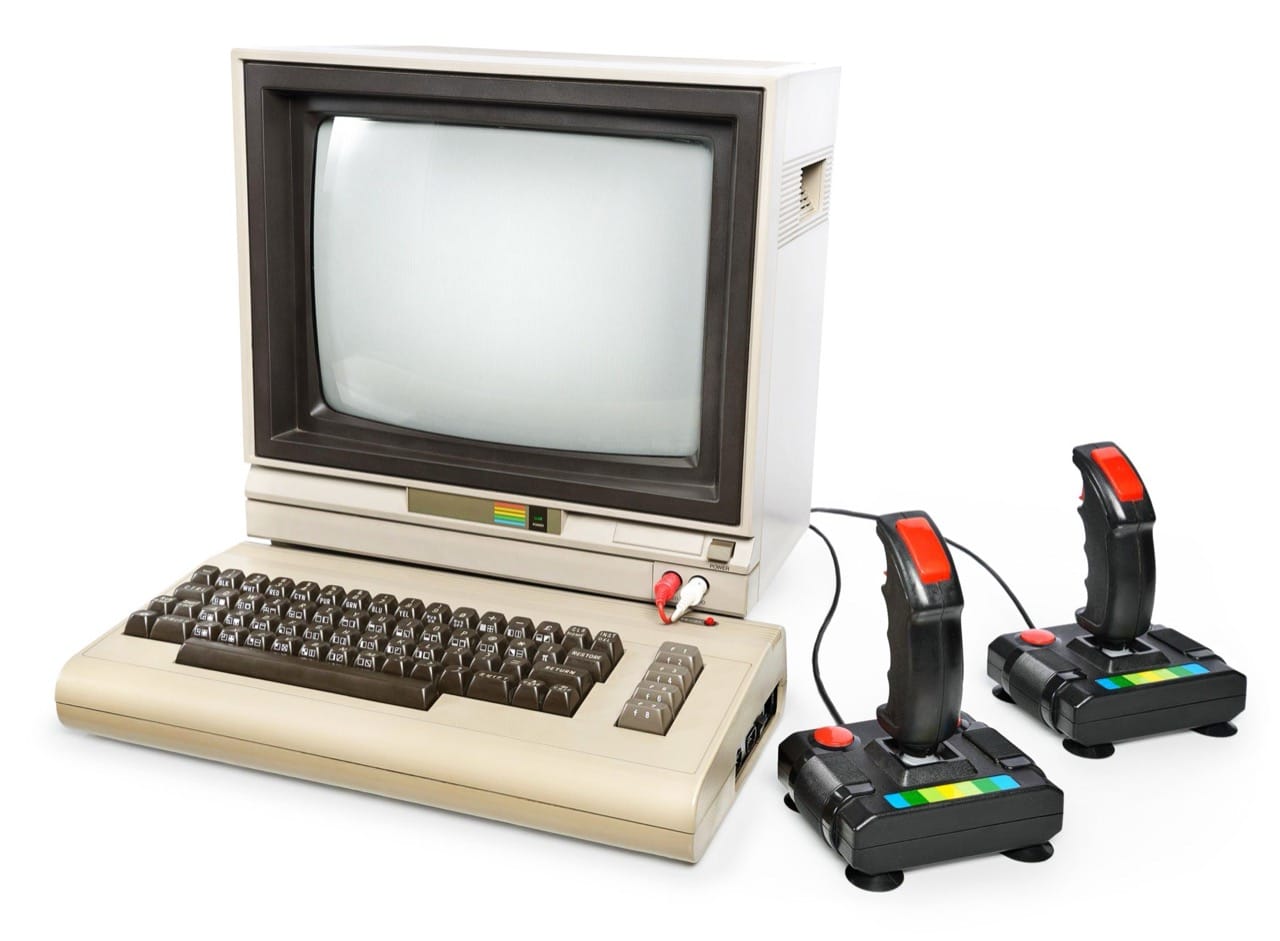
In 2006, Amazon launched S3 and EC2 under which cloud brand that helped popularize renting computing power over the internet?
 Internet CultureQ4
Which 2007 smartphone operating system, created by Google, began competing directly with Apple’s iOS?
 Internet CultureQ5
Which online encyclopedia, launched in 2001, is built through collaborative editing by volunteers?
 Internet CultureQ6
Which social network, founded in 2003, became known for customizable profiles and a “Top 8” friends list?
 Internet CultureQ7
Which video-sharing platform, founded in 2005, helped make user-uploaded clips a mainstream form of entertainment?
 Internet CultureQ8
Which browser, first released in 2004, was created by the Mozilla Foundation as an alternative to Internet Explorer?
 Internet CultureQ9
Which 2003 internet calling service became widely used for free voice and video calls over broadband connections?
 Internet CultureQ10
What was the name of the peer-to-peer file-sharing service that became infamous in the early 2000s and was shut down after legal battles in 2001?
 Internet CultureQ11
What was the name of the early viral animation featuring a hypnotic cartoon character singing “Badger, badger, badger” (first appearing in 2003)?
 Internet CultureQ12
Which company launched the iPhone in 2007, helping redefine the modern smartphone era?
Browser Tabs and Meme Dreams: Life Online in the 2000s
The internet of the 2000s felt like a workshop where everyone was tinkering at once. Many people still heard the dial up handshake or watched a progress bar crawl across the screen, and that waiting shaped how the web was used. You opened fewer pages, you saved links carefully, and you treated a new site like an event. Then broadband spread, and suddenly staying online all evening was normal. That shift helped create the decade’s defining habit: always having something open, whether it was a chat window, a music player, or a growing row of browser tabs.
Search and information changed quickly. Google became the default doorway for many users, and Wikipedia, launched in 2001, turned into a living reference book that anyone could edit. It was both thrilling and confusing: students were warned not to trust it, yet everyone checked it anyway. Meanwhile, web design was less polished and more personal. On MySpace, people customized profiles with copied snippets of HTML and CSS, sometimes breaking their page in the process. The result was chaotic, but it also taught a generation that the web was editable, not just something you consumed.
Social networking was still an experiment. Friendster surged and stumbled, MySpace became a cultural hub for music and identity, and Facebook began as a campus directory before opening to the public and redefining what an online profile meant. The decade also normalized instant messaging as a social lifeline. AIM, MSN Messenger, and Yahoo Messenger made away messages and buddy lists into a kind of daily theater, complete with inside jokes and carefully chosen screen names.
Media online went from novelty to routine. In the early 2000s, streaming video was often tiny and choppy, and a clip might be shared as a link with a warning about load times. YouTube’s arrival in 2005 changed the center of gravity by making uploading and sharing simple. Early viral hits spread through email chains, message boards, and blogs, and going viral often meant you personally forwarded the link to everyone you knew. Memes as we think of them now were taking shape, from looping animations to catchphrases that traveled across forums. At the same time, podcasts emerged as a new kind of radio you could download, helped by the iPod and the growing comfort with carrying your media library everywhere.
Music and file sharing were another defining tension. Napster’s rise and legal battles became a public lesson in digital ownership, and even after it was shut down, peer to peer networks like Kazaa and LimeWire kept the idea alive, along with plenty of malware scares. Apple’s iTunes Store offered a legal alternative that proved people would pay for convenience and reliability, one track at a time. The broader lesson of the decade was that the internet was turning distribution into a feature anyone could use, whether for art, opinions, or trouble.
Underneath the fun was real infrastructure progress. Wi Fi became common in homes and cafes, browsers improved, and the idea of a web application gained credibility with tools like Google Maps and Gmail showing that a site could feel like software. By 2007, the iPhone signaled that the internet was about to leave the desk for good, and the late 2000s began the transition toward apps, constant connectivity, and feeds that updated endlessly.
Remembering the 2000s online is remembering a mix of friction and freedom. Pages loaded slowly, videos were blurry, and everyone seemed to be improvising. But that scrappy era produced the habits and platforms that still shape modern life: sharing, commenting, remixing, and building communities out of links, jokes, and whatever you had open in your tabs.
Up next in Internet Culture
All 12 Internet CultureNew
2000s Web Culture Classics
 Internet CultureNew
Byte-Sized Legends of the 2000s Web
 Internet CultureNew
MySpace, AIM and the Early Social Web
 Internet CultureNew
The 2000s Social Web Scrapbook
 Internet CultureNew
Away Messages and Top 8s
 Internet CultureNew