 TV & MoviesQ1
Which teen drama began in 2003 and is set in the wealthy Orange County city of Newport Beach, California?
 TV & MoviesQ2
In 24, what government agent is played by Kiefer Sutherland across the series’ 2000s seasons?
 TV & MoviesQ3
Which actor played Don Draper in Mad Men, which premiered in 2007?
 TV & MoviesQ4
Which U.S. network originally aired Grey’s Anatomy when it premiered in 2005?
 TV & MoviesQ5
Which HBO drama ended in 2005 with a famous flash-forward montage showing how each main character eventually dies?
 TV & MoviesQ6
Which premium cable network aired The Sopranos during its original run (1999–2007), including its 2000s seasons?
 TV & MoviesQ7
Which animated series that debuted in 2010 features the characters Mordecai and Rigby?
 TV & MoviesQ8
Which actor played Walter White in Breaking Bad, which premiered in 2008?
 TV & MoviesQ9
Which reality competition series debuted on CBS in 2000 and popularized the phrase “The tribe has spoken”?
 TV & MoviesQ10
In Lost, what is the flight number of the plane that crashes on the island?
 TV & MoviesQ11
In The Wire, which U.S. city serves as the primary setting for the series?
 TV & MoviesQ12
Which U.S. network originally aired The Office (U.S.) when it premiered in 2005?
Channel Surfing Through the 2000s: The TV Decade of Big Swings and Hidden Details
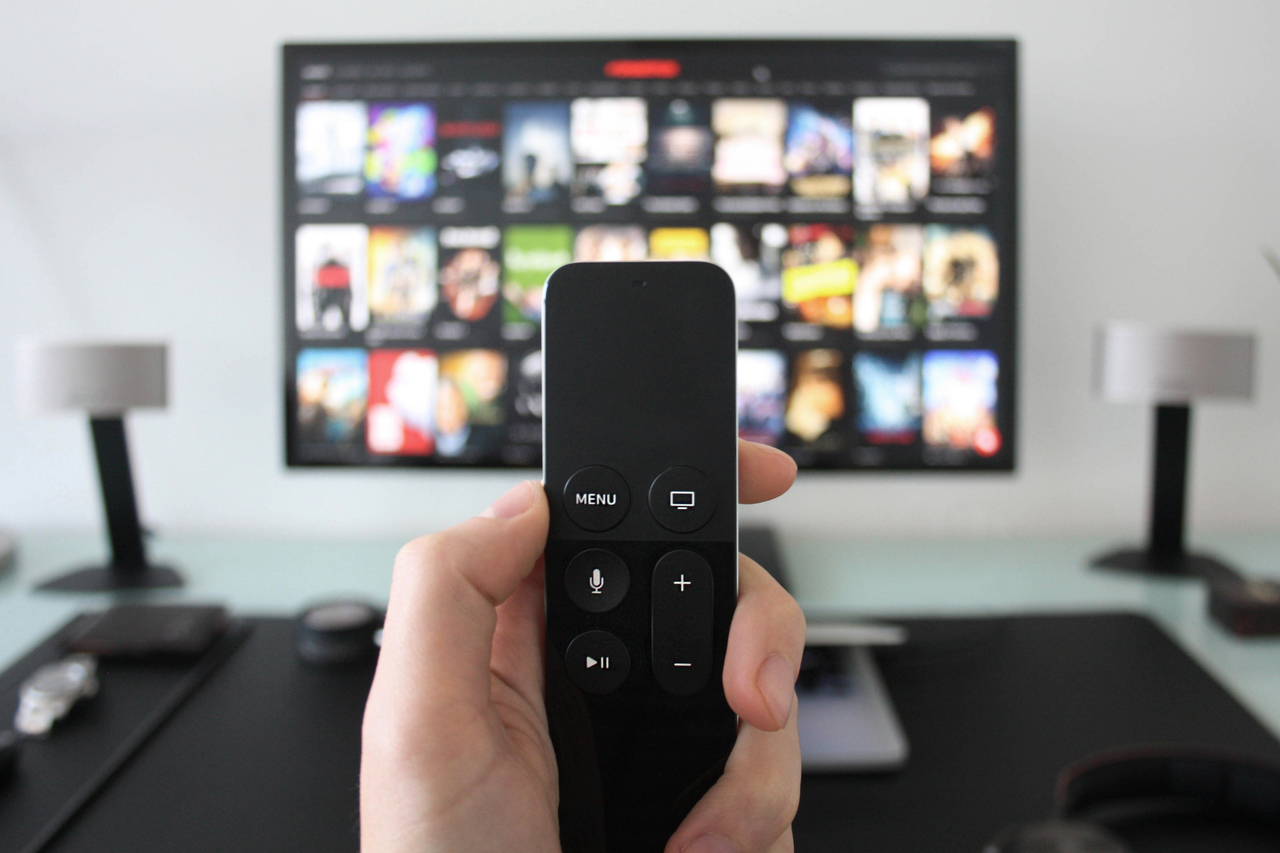
The 2000s were the decade when television stopped behaving like a single medium and started acting like a whole ecosystem. Cable channels learned to compete with broadcast networks on storytelling ambition, reality shows became appointment viewing, and DVDs and early streaming changed how people remembered episodes, not just seasons. For anyone taking a deep-cut quiz about 2000 to 2009, the fun is in the details that sit just outside the most famous moments: which network took the risk first, who almost got cast, why a character vanished, or how a finale date lines up with a cultural shift.
Prestige drama found its modern rhythm in this era, and a lot of it came down to where shows lived. HBO became shorthand for adult, cinematic storytelling, but the 2000s also proved that basic cable could build brands around scripted originals. The Shield helped establish FX as a home for morally complicated protagonists, and later in the decade Mad Men made AMC synonymous with carefully crafted period drama. Meanwhile, long-running broadcast hits like Lost and Grey’s Anatomy showed that big networks could still generate watercooler obsession, especially when episodes were designed to be dissected online the next day. Lost in particular rewarded eagle-eyed viewing with recurring props, cryptic on-screen text, and character backstories that made the pilot feel like only the first page of a much larger document.
Sitcoms didn’t just chase laughs; they adapted to changing viewing habits. The Office became a case study in how a show could find an audience after a shaky start, with character chemistry and a format that felt tailor-made for rewatching. 30 Rock turned the machinery of television itself into a joke engine, stuffing episodes with blink-and-you-miss-it references that quiz writers love. Even shows that seemed simple on the surface often had production quirks: theme songs shortened as networks squeezed in more ads, characters retooled between pilot and series, and sets redesigned to make filming faster. If you remember which season a cast member arrived or departed, you’re remembering the business side of TV as much as the story.
Reality television became a weekly habit in the 2000s, and the genre’s history is full of official rules and behind-the-scenes structures that viewers didn’t always notice. Survivor helped codify the language of alliances and blindsides, while American Idol turned voting into a national ritual that blended performance with audience participation. The Apprentice made the boardroom a stage, and The Amazing Race turned geography into suspense. Many of the most stump-worthy facts live in first seasons: original hosting choices, early challenge formats, or rule tweaks that were quietly retired once producers learned what created the best television.
Animation and genre TV also thrived, often powered by voice casting and network identity. Adult animation gained mainstream traction on channels like Fox and Comedy Central, and voice actors became as recognizable to fans as on-screen stars. Science fiction and fantasy series built intense followings by committing to internal logic and serialized arcs, which made continuity errors, retcons, and timeline specifics especially memorable. The decade also saw crossovers and shared-universe nods used as ratings events, encouraging viewers to track what aired when and on which channel.
What makes 2000s TV trivia so satisfying is that it tests more than nostalgia. It asks you to remember the ecosystem: the network that took the gamble, the pilot version that differed from the series, the casting decision that changed a character’s tone, and the exact year a finale landed before the next cultural wave arrived. If you can channel surf through those details from memory, you’re not just recalling shows. You’re recalling how television learned to reinvent itself in real time.