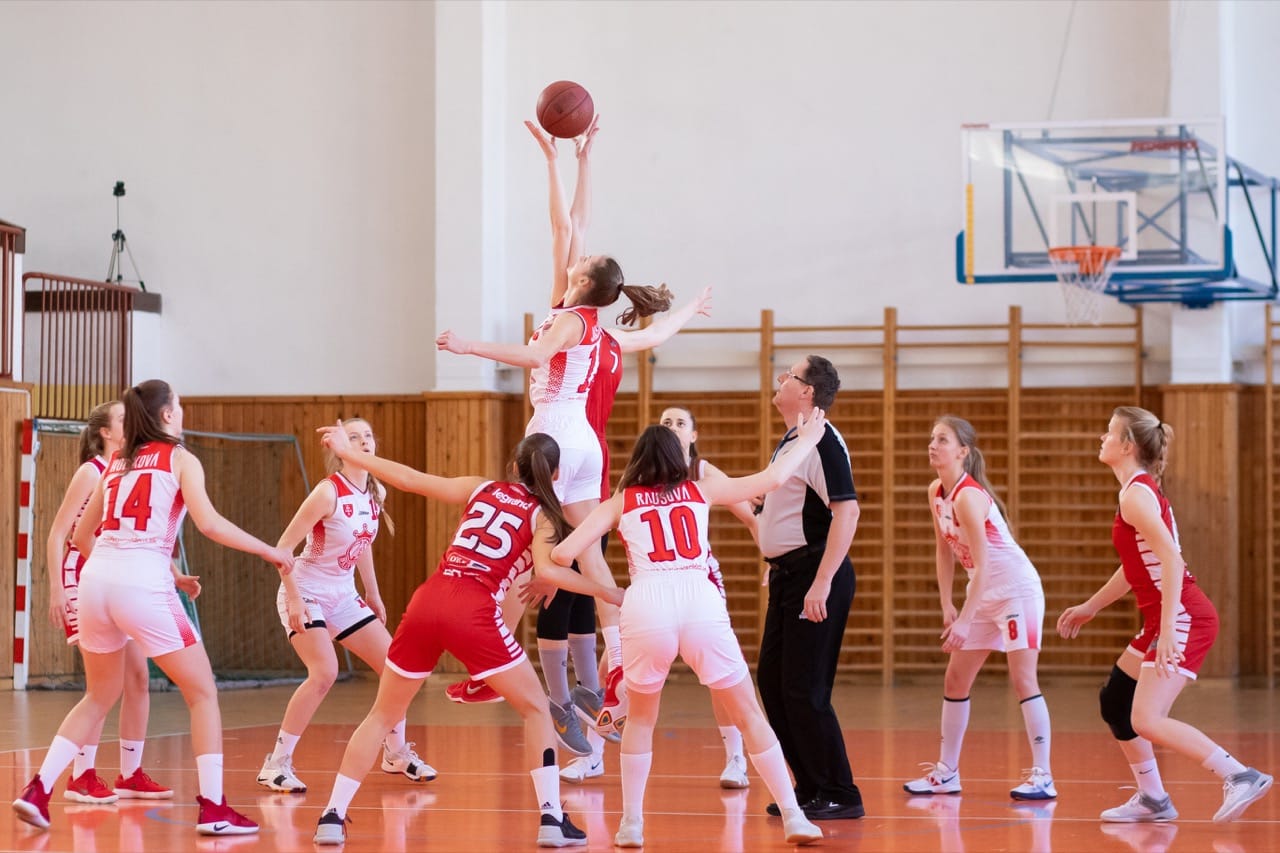
 Sports & RecreationQ1
Which NBA team wore green and gold uniforms and played in KeyArena during the early 2000s?
 Sports & RecreationQ2
Which NBA player is closely associated with the pregame chalk toss ritual that became a signature moment in the 2000s?
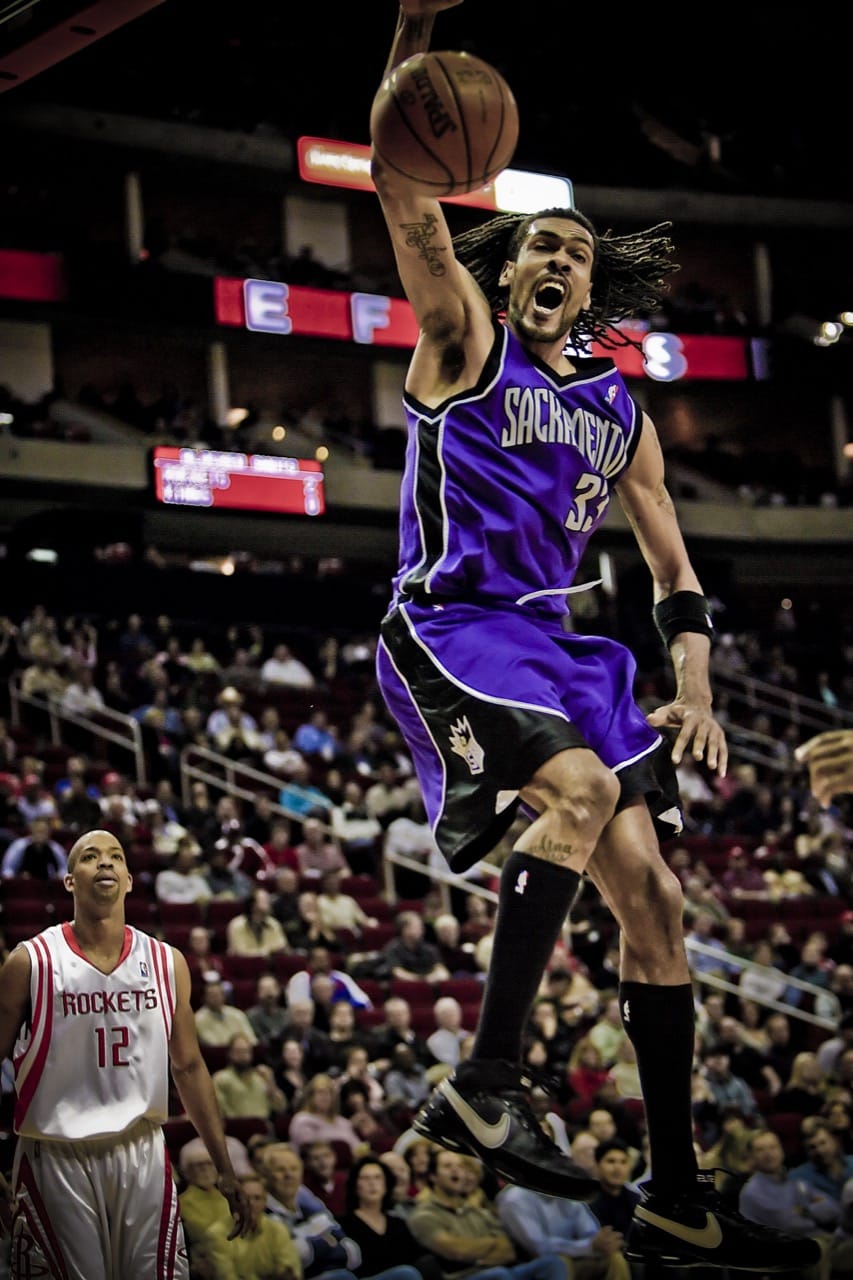 Sports & RecreationQ3
Which NBA team played its home games at the American Airlines Arena during the 2000s?
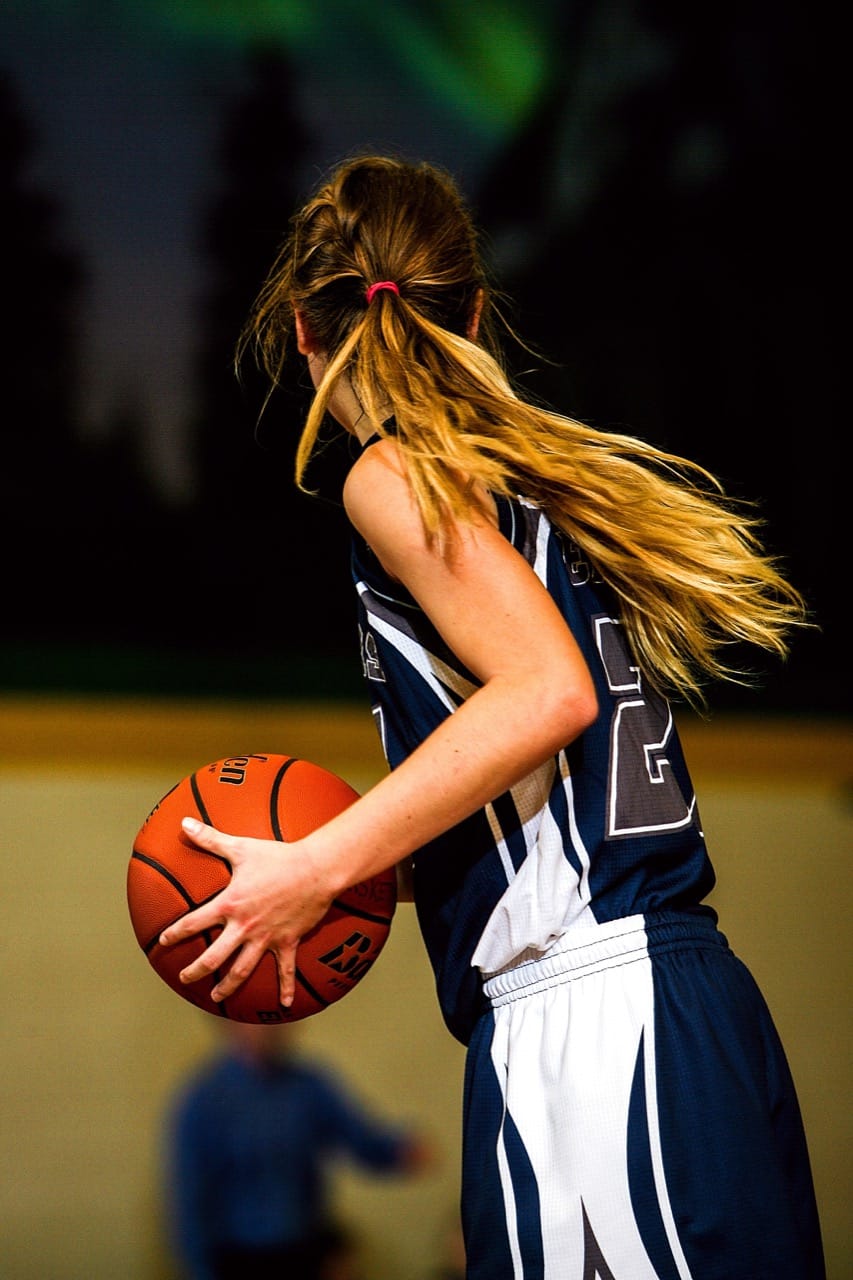 Sports & RecreationQ4
What was the official name of the arena where the Los Angeles Lakers played throughout the 2000s decade?
 Sports & RecreationQ5
Which NBA team temporarily played home games in Oklahoma City after Hurricane Katrina in 2005?
 Sports & RecreationQ6
Which player is known for wearing protective goggles during games after suffering an eye injury in the 2000s?
 Sports & RecreationQ7
Which player is famously associated with the nickname 'The Answer' during the 2000s?
 Sports & RecreationQ8
The Vancouver Grizzlies relocated in 2001 to which U.S. city?
 Sports & RecreationQ9
Which NBA expansion team began play in the 2004-05 season?
 Sports & RecreationQ10
Which New Orleans/Oklahoma City Hornets point guard won NBA Rookie of the Year for the 2005-06 season?
 Sports & RecreationQ11
Which franchise rebranded from the Seattle SuperSonics to a new team name after relocating in 2008?
 Sports & RecreationQ12
Which team’s home court was known as 'The Palace' during the 2000s, a nickname used in broadcasts and team branding?
NBA 2000s Sidelines Trivia: The Little Details That Defined a Decade
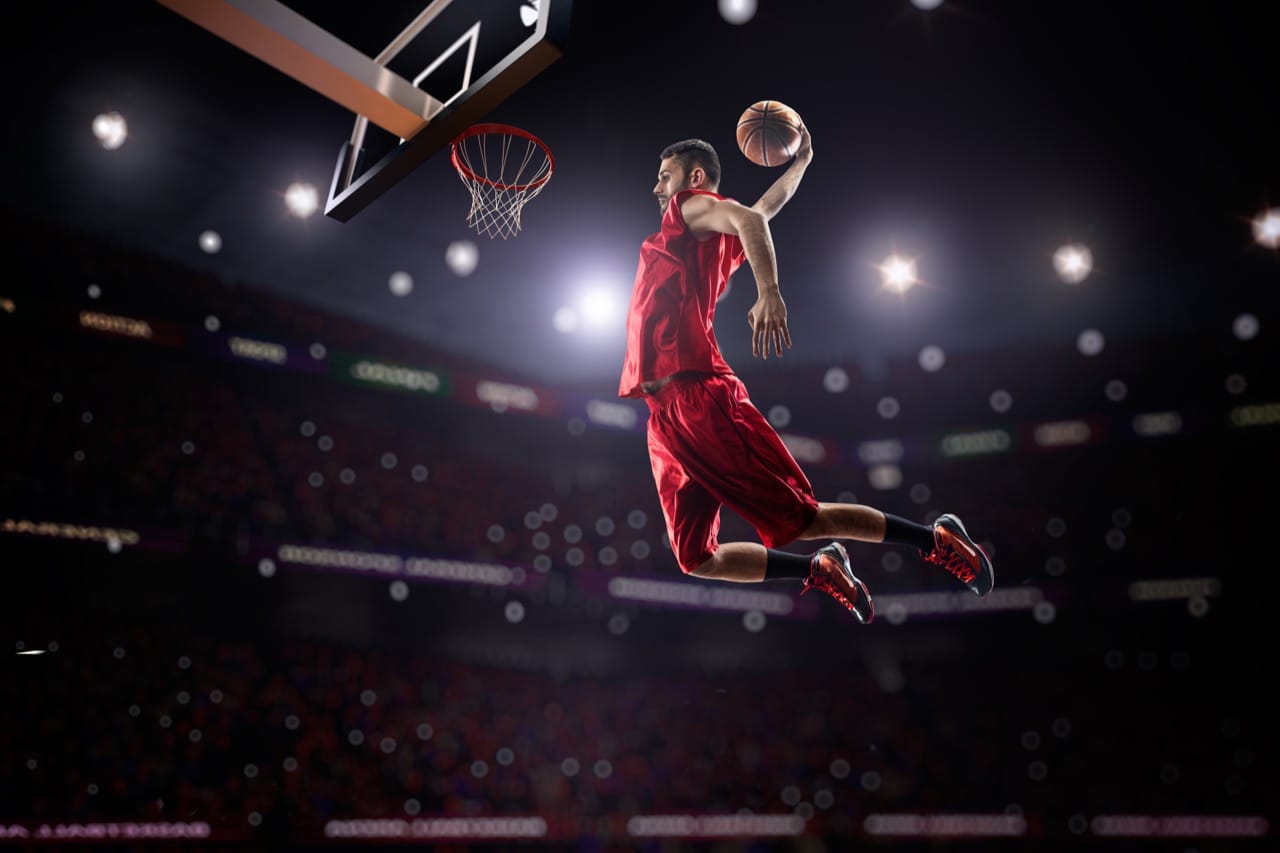
When people remember the NBA in the 2000s, they usually picture championships, rivalries, and highlight reels. But the decade also had a rich layer of well documented sideline details that shaped how fans experienced the league. Uniform choices, arena quirks, name changes, and broadcast moments became part of the story, sometimes as memorable as the games themselves.
Throwback uniforms were everywhere, and they were more than nostalgia. Teams leaned into retro nights to connect new stars to old legacies, and the look of the league shifted with it. The Lakers kept their classic identity, while other franchises experimented aggressively. The Denver Nuggets embraced powder blue throwbacks that reminded fans of earlier eras. The Toronto Raptors moved away from their earlier cartoon style toward a cleaner, more modern look by the middle of the decade, signaling a franchise trying to redefine itself. Even small changes, like switching from a wordmark to a simplified logo, could tell you a lot about how a team wanted to be seen.
Some of the most recognizable names and nicknames of the 2000s were forged through broadcasts and marketing rather than box scores. The era made room for players to become characters in the best sense of the word, with signature monikers that stuck because they fit the moment and the personality. Shaquille ONeal turned self branding into an art form, cycling through nicknames that were repeated on TV and in arenas until they became part of his legend. LeBron James entered the league with a nickname that carried the weight of expectation, and the way it was used in promos and commentary helped turn a teenage rookie into a national story.
The decade also featured notable name changes and identity tweaks that are easy to forget until you see them on an old jersey. Ron Artest later became Metta World Peace, and while that change happened after the 2000s, the conversation around player identity was already growing during the decade as stars became more public facing. There were also quieter changes, like players choosing to use different versions of their names on jerseys, or teams adjusting how they presented players in media guides and introductions. These details mattered because the NBA was becoming more personality driven, and the league was learning how much branding could amplify fame.
Arenas themselves played a role in the feel of the 2000s. New buildings opened and became instant landmarks, changing the sound and look of broadcasts. The Los Angeles Lakers moved into the Staples Center at the very start of the decade and quickly made it synonymous with big games and celebrity filled courtside rows. In Detroit, the Pistons played at The Palace of Auburn Hills, a venue whose reputation was shaped not just by basketball but by one of the most infamous on court and in the stands incidents in league history. Meanwhile, teams like the Charlotte Hornets relocated and became the New Orleans Hornets, reflecting how the NBA map was shifting in real time.
Sideline moments also lived through the voices that narrated them. The 2000s were packed with calls and catchphrases that fans can still quote, and those lines often came from regular season broadcasts as much as playoff classics. Camera angles, mic placement, and the growing polish of TV production made the league feel closer. You could hear sneakers, coaches, and crowd reactions more clearly, which made small moments like a bench celebration or a coaches glare part of the entertainment.
All of these details are exactly what makes 2000s sidelines trivia so fun. The decade was a bridge between old school NBA presentation and the modern era of constant media coverage. Remembering the uniforms, the arenas, the branding choices, and the broadcast moments is a way of remembering how the league felt, not just who won. It is a time capsule of a sport learning how to tell its stories in every corner of the screen.
Up next in Sports & Recreation
All 20 Sports & RecreationNew
2000s MLB Numbers and Fall Classics
 Sports & RecreationNew
2000s World Series and the Steroid Era
 Sports & RecreationNew
2000s Stanley Cup Champions Trivia
 Sports & RecreationNew
Stanley Cup Moments of the 2000s
 Sports & RecreationNew
World Cups and 2000s Football Icons
 Sports & RecreationNew