 Y2K & 1999Q1
What was a widely used remediation approach for Y2K in software handling dates?
 Y2K & 1999Q2
Which date was especially important to test because it could trigger leap-year logic errors in addition to Y2K?
 Y2K & 1999Q3
In many systems, what incorrect year could “00” be interpreted as, triggering date errors?
 Y2K & 1999Q4
Which category best describes many non-PC devices that were also assessed for Y2K risk?
 Y2K & 1999Q5
What is the common advertised storage capacity of a standard data CD-ROM from the late 1990s?
 Y2K & 1999Q6
Which file system standard helped make CD-ROMs readable across many computer platforms?
 Y2K & 1999Q7
What was the core technical cause of many Y2K concerns?
 Y2K & 1999Q8
Which organization is strongly associated with coordinating and sharing information about Y2K readiness in the United States?
 Y2K & 1999Q9
Which laser wavelength is most associated with standard CD reading in consumer drives?
 Y2K & 1999Q10
What does the “CD” in CD-ROM stand for?
 Y2K & 1999Q11
Why were CD-ROMs particularly useful for distributing technology “figures and examples” content in 1999?
 Y2K & 1999Q12
In CD-ROM, what does “ROM” indicate about typical user access?
Midnight 2000: When CD-ROMs Ruled and the Calendar Looked Dangerous
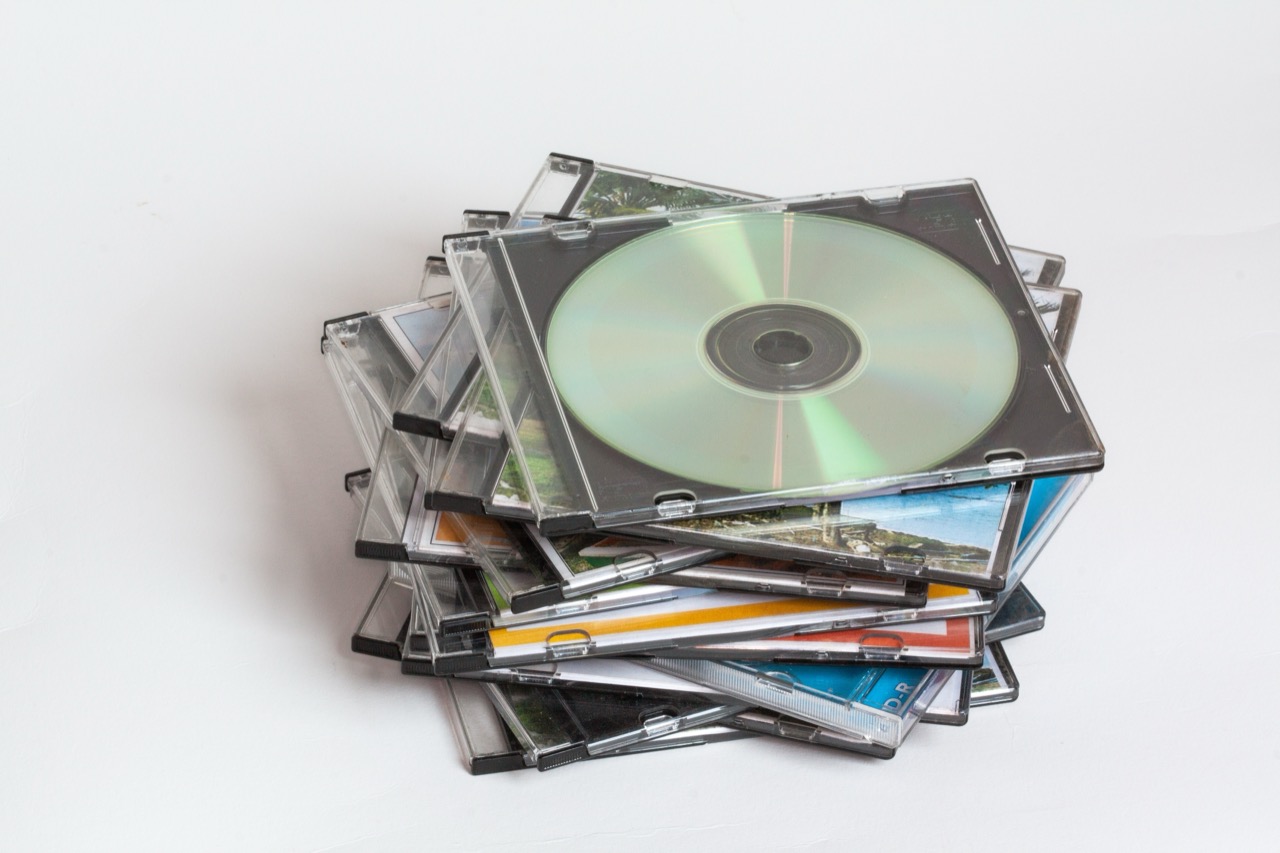
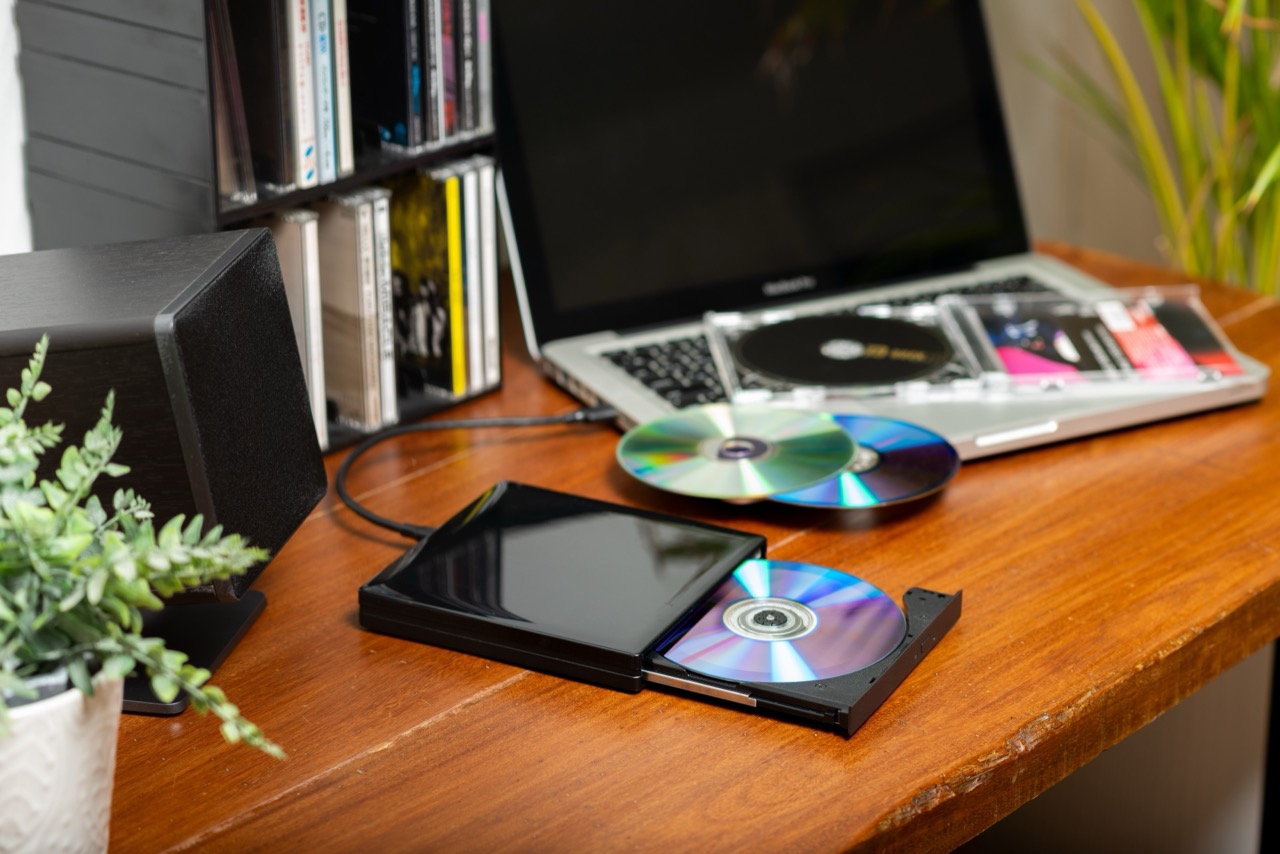
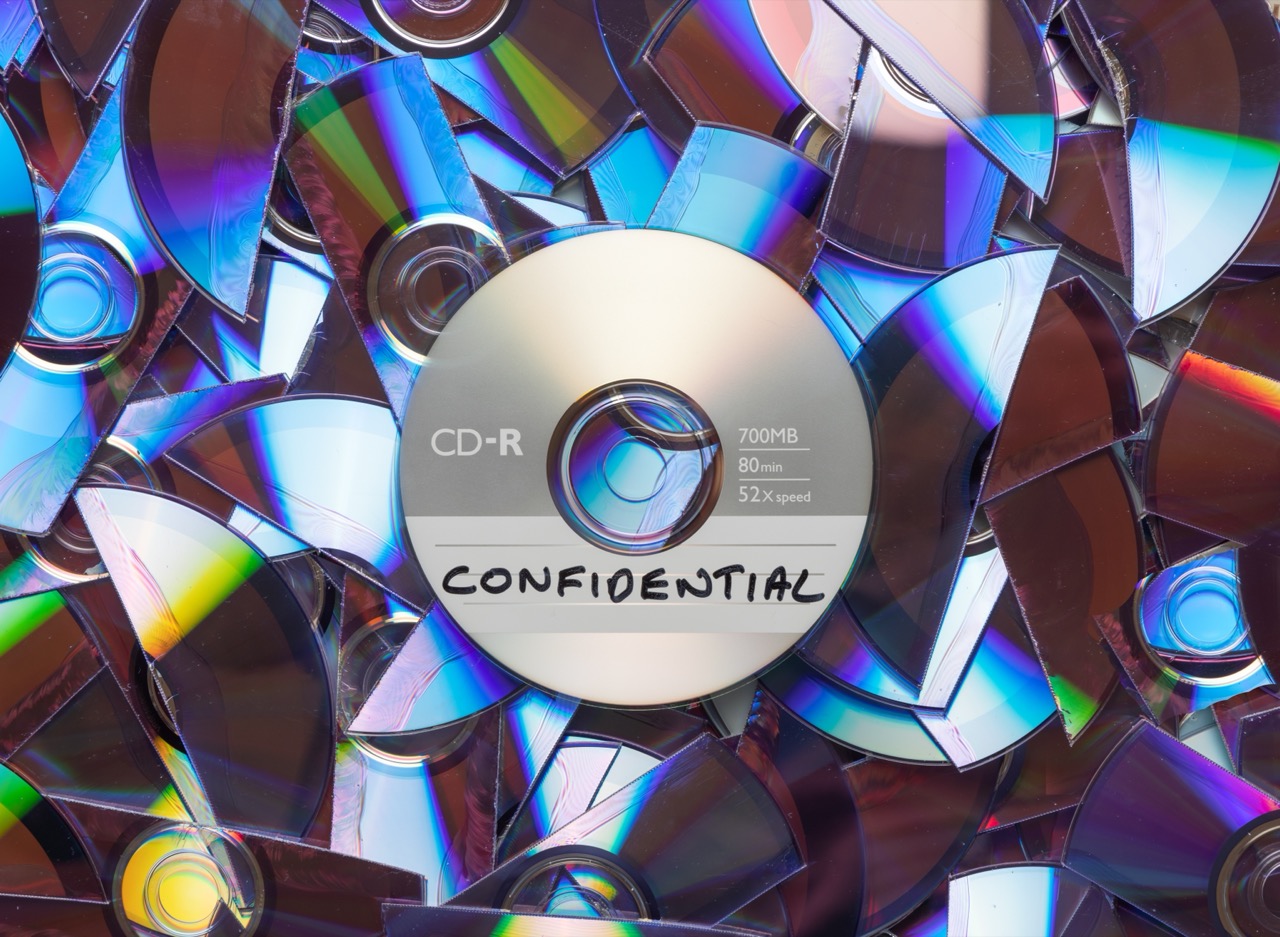
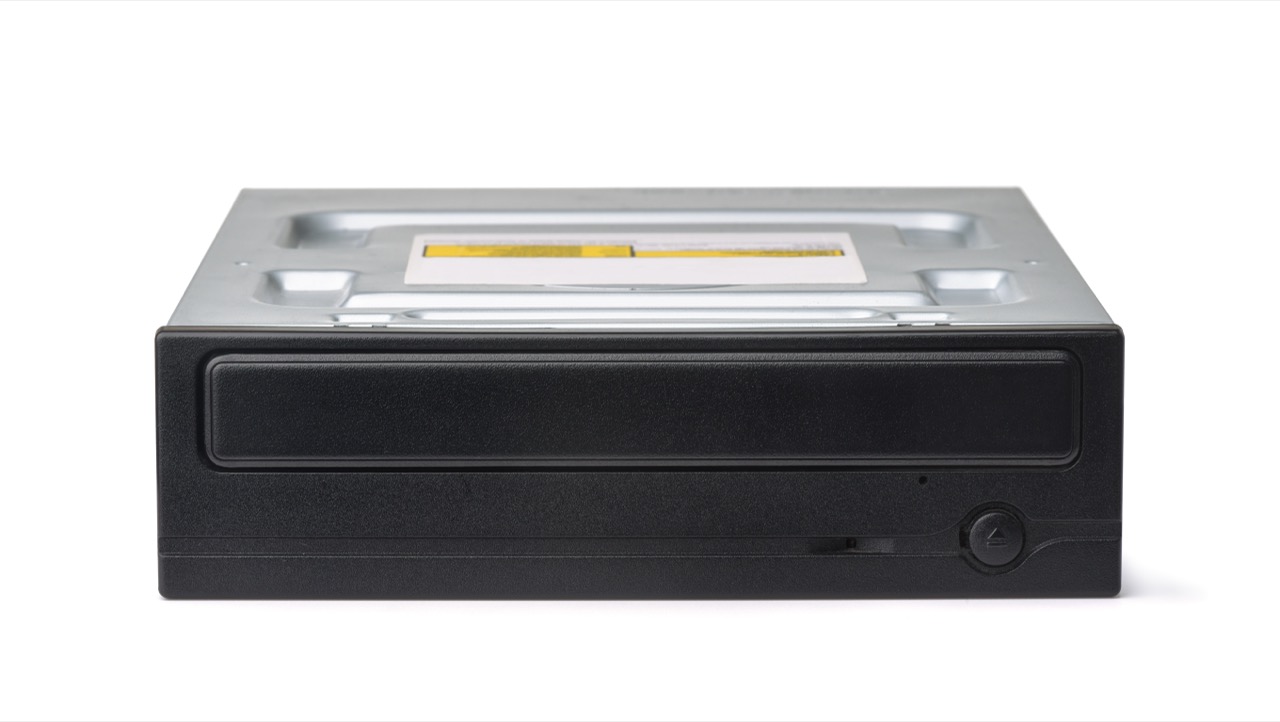
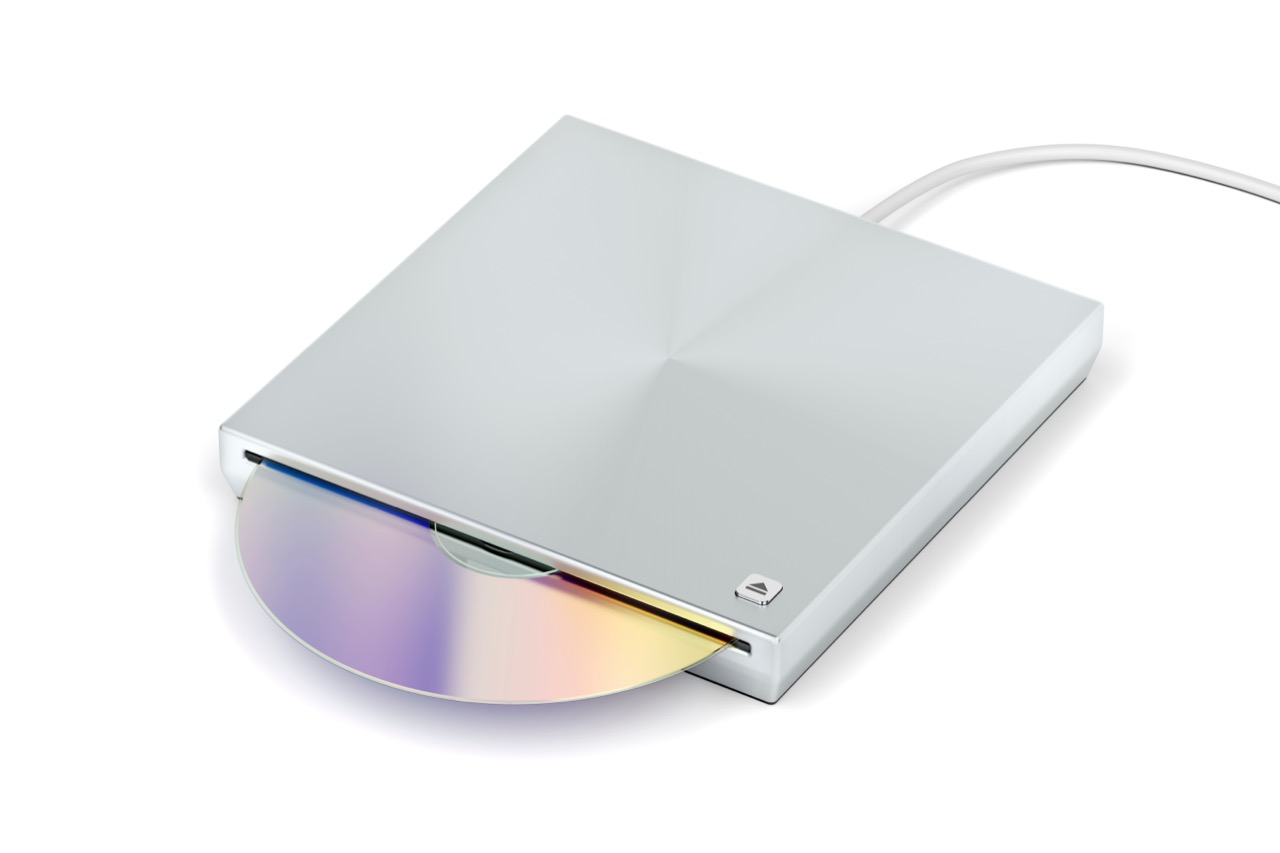
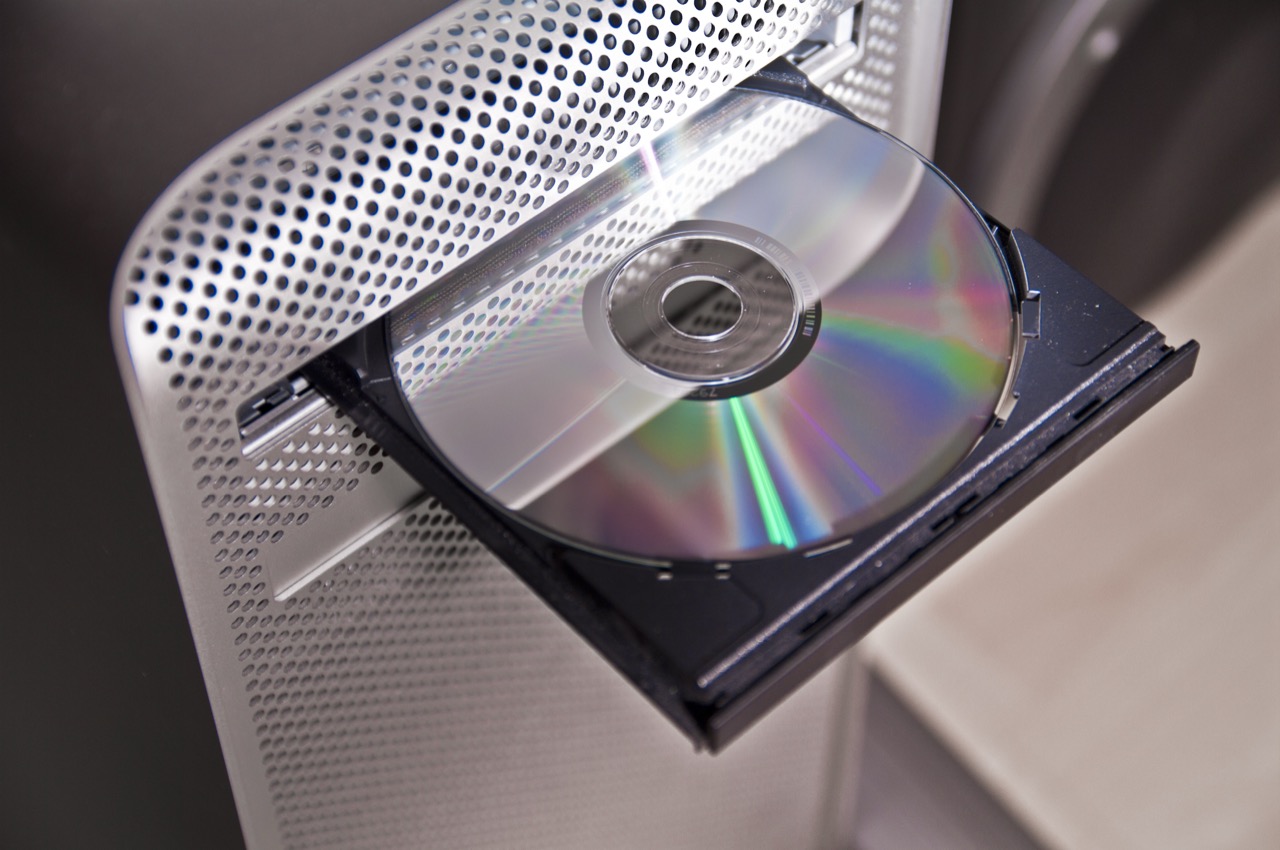
In the late 1990s, the future arrived in a surprisingly physical form: a shiny compact disc tucked into a paper sleeve. CD-ROMs were everywhere because they solved a big problem of the era. Most people were still on dial-up internet, and downloading a large program could take hours or fail halfway through. A single disc could carry hundreds of megabytes, enough for an operating system upgrade, a full encyclopedia, a game with video cutscenes, or a thick set of device drivers that would otherwise be painful to fetch online. Magazines often bundled demo discs packed with shareware, trailers, and interactive tours of new technology, turning the CD drive into a gateway to the digital world.
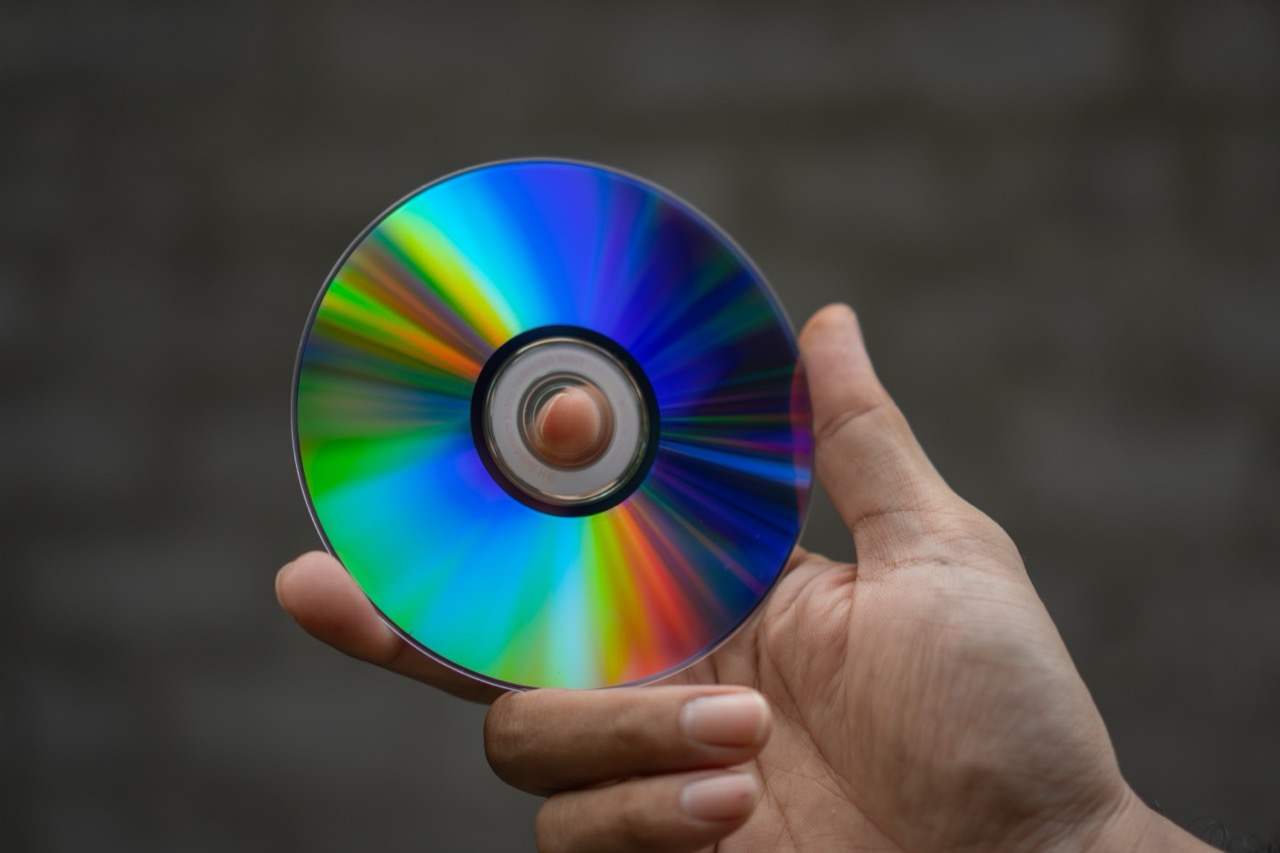
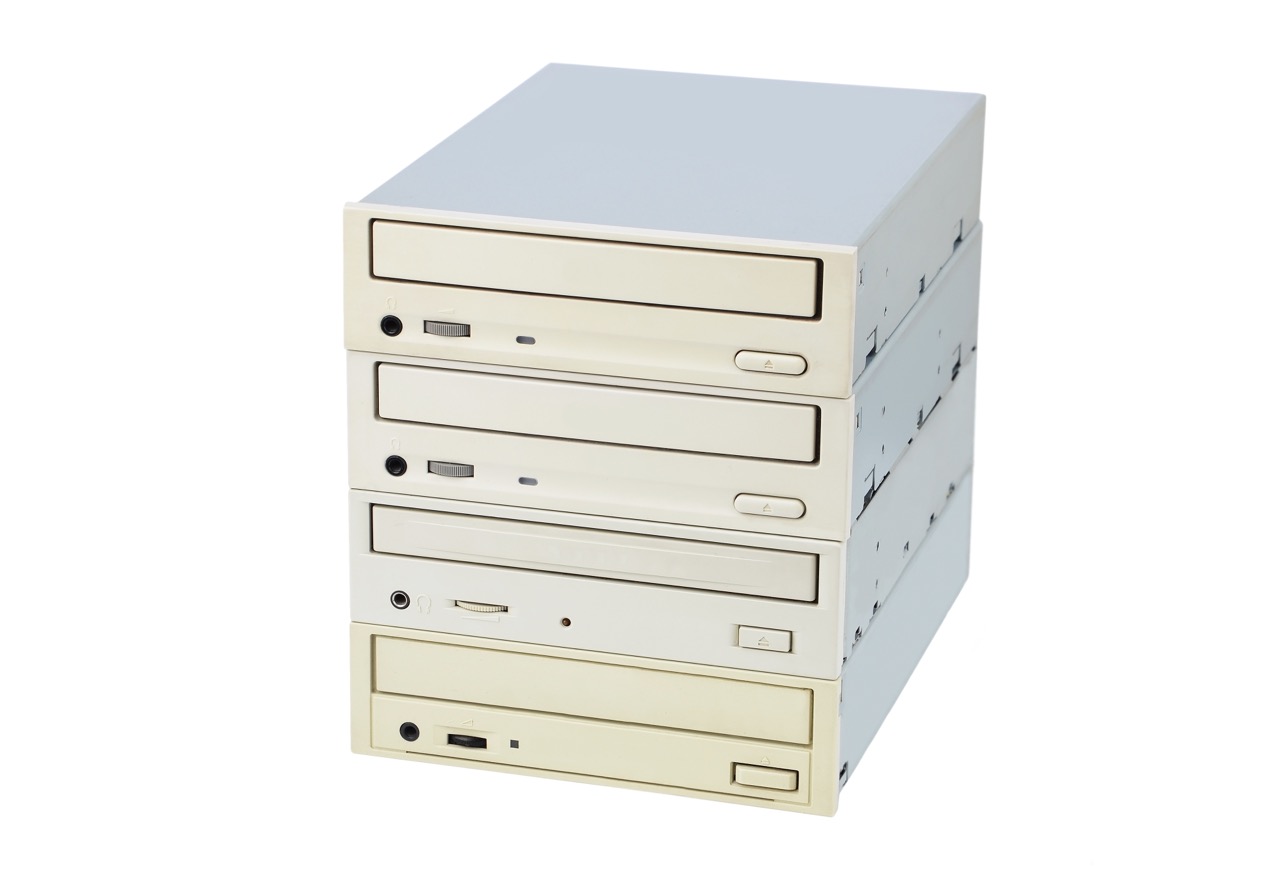
A CD stores data in a way that feels almost magical: microscopic pits and lands arranged along a spiral track. A laser reads changes in reflectivity as the disc spins, and error correction fills in gaps caused by scratches or dust. That reliability mattered because CDs were handled constantly, swapped among friends, and tossed into backpacks. Data CD-ROMs typically held about 650 to 700 megabytes, which made them a standard delivery vehicle for software companies. The format also encouraged a particular style of computing: install from disc, keep the disc nearby for reinstallation, and treat updates as occasional events rather than constant background downloads. Even documentation traveled this way. It was common for hardware boxes to include a driver disc plus a searchable manual, sometimes with troubleshooting videos, long before streaming was practical.
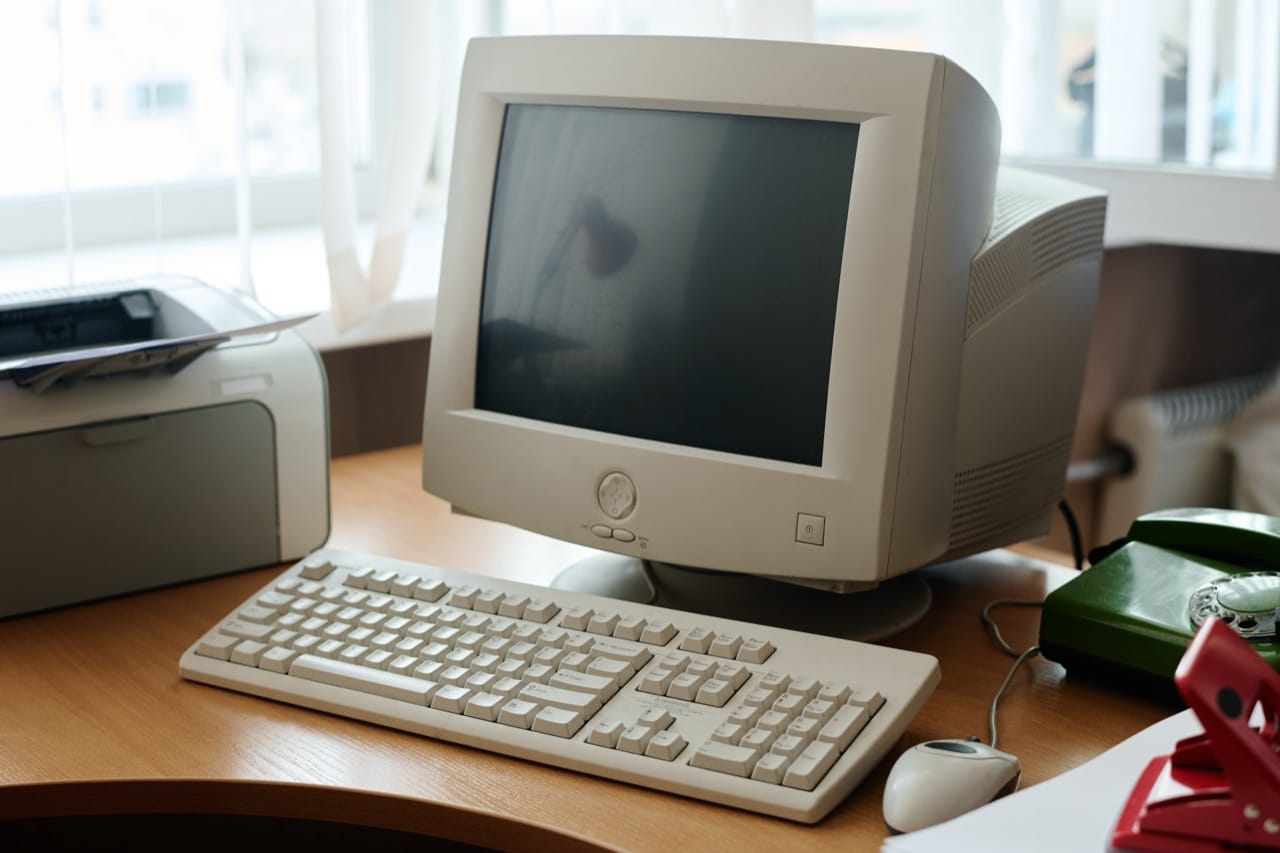
All that optimism about digital life ran alongside a very specific fear: the Year 2000 problem, better known as Y2K. The issue was simple but widespread. To save memory and storage, many older systems stored years as two digits, like 98 or 99. When the year rolled over to 00, software might interpret it as 1900, or simply sort dates incorrectly. That could break calculations involving interest, expiration dates, schedules, or any logic that depended on time moving forward. The risk was not that every computer would instantly crash, but that a small percentage of critical systems could behave unpredictably at the same moment.
Banking and finance were a major concern because date logic is everywhere: loan amortization, bond maturity, transaction ordering, and audit trails. Utilities worried about billing and maintenance systems, but also about embedded controllers. Embedded systems are specialized computers inside equipment like elevators, industrial sensors, and power grid devices. Many of them used simplified software and were rarely updated, so it was hard to know which ones even tracked dates. Some did not care about the calendar at all, but others used dates for logging, timed operations, or safety checks, which made them candidates for strange failures.
What makes Y2K fascinating in hindsight is how much of the story was about coordination rather than pure technology. Organizations had to inventory old code, update it, test it, and deploy fixes without disrupting daily operations. Some replaced systems entirely. Others used quick fixes like windowing, where 00 to 49 might be treated as 2000 to 2049, and 50 to 99 as 1950 to 1999. It was also a rare moment when software maintenance became headline news, and when the public learned that boring details like date formats could matter.
The midnight turnover itself was anticlimactic in many places, which is partly the point: a lot of work went into making it boring. There were still glitches, from misdated receipts to minor system hiccups, but the feared cascade of failures did not materialize at the scale people imagined. The era remains memorable because it captured a transition. CD-ROMs represent a time when digital content was delivered like a product you could hold, while Y2K revealed how deeply software had already woven itself into modern life. Together they form a perfect trivia mix: the everyday mechanics of data on discs and the big, shared suspense of watching the calendar flip into a new millennium.