 Y2K & 1999Q1
Which date was also a major follow-up test for Y2K-style issues because it could trigger leap-year logic errors?
 Y2K & 1999Q2
Which city's New Year 2000 fireworks show lit up the word "Eternity" on its famous harbour bridge?
 Y2K & 1999Q3
What was the core technical issue behind the Y2K bug?
 Y2K & 1999Q4
What was one reason the Y2K remediation effort was so expensive globally?
 Y2K & 1999Q5
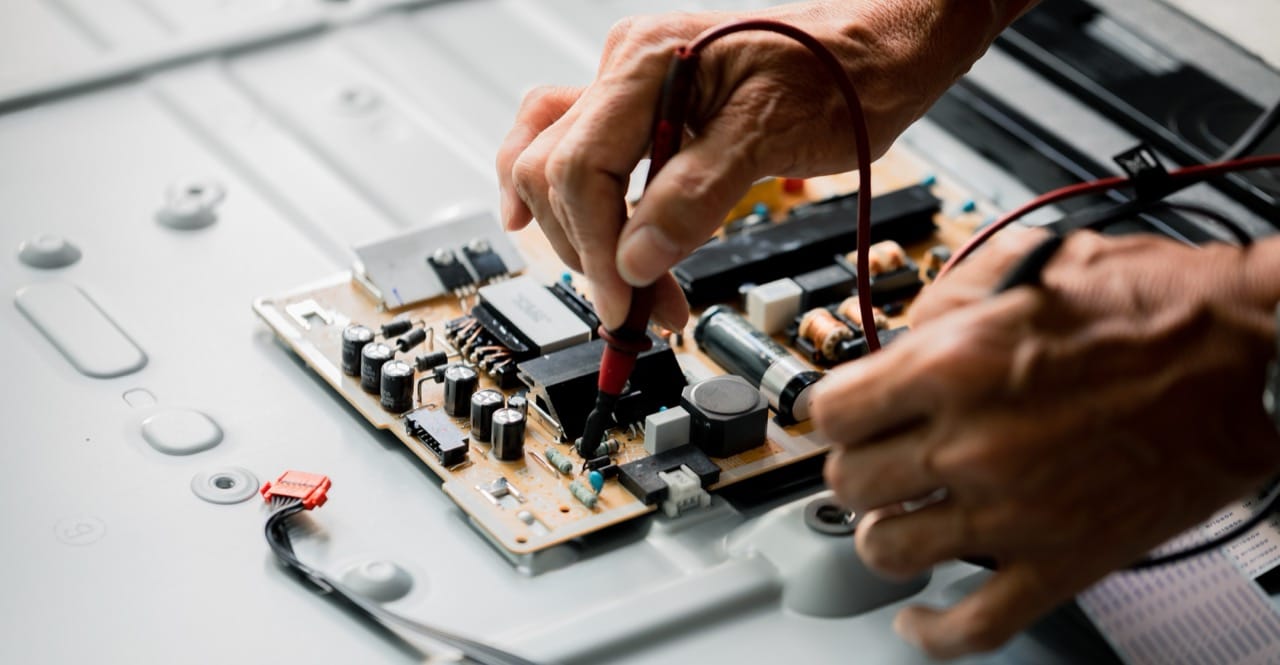
What is an embedded system, often discussed in Y2K preparedness?
 Y2K & 1999Q6
Why did some organizations choose to freeze or restrict system changes near the end of 1999?
 Y2K & 1999Q7
Which of the following best describes what happened at midnight on January 1, 2000 in most places?
 Y2K & 1999Q8
Which sector was widely considered high risk for Y2K problems because it relied on embedded systems and continuous operations?
 Y2K & 1999Q9
Which region is known for being among the first to enter the year 2000 due to its position near the International Date Line?
 Y2K & 1999Q10
What does the term "Y2K" stand for in the context of the millennium bug?
 Y2K & 1999Q11
Which U.S. city is traditionally associated with the Times Square ball drop on New Year’s Eve, including the arrival of 2000?
 Y2K & 1999Q12
In the lead-up to Y2K, what was a common remediation approach for older software?
Bug or Balloon: Remembering the Millennium Night and the Y2K Scare
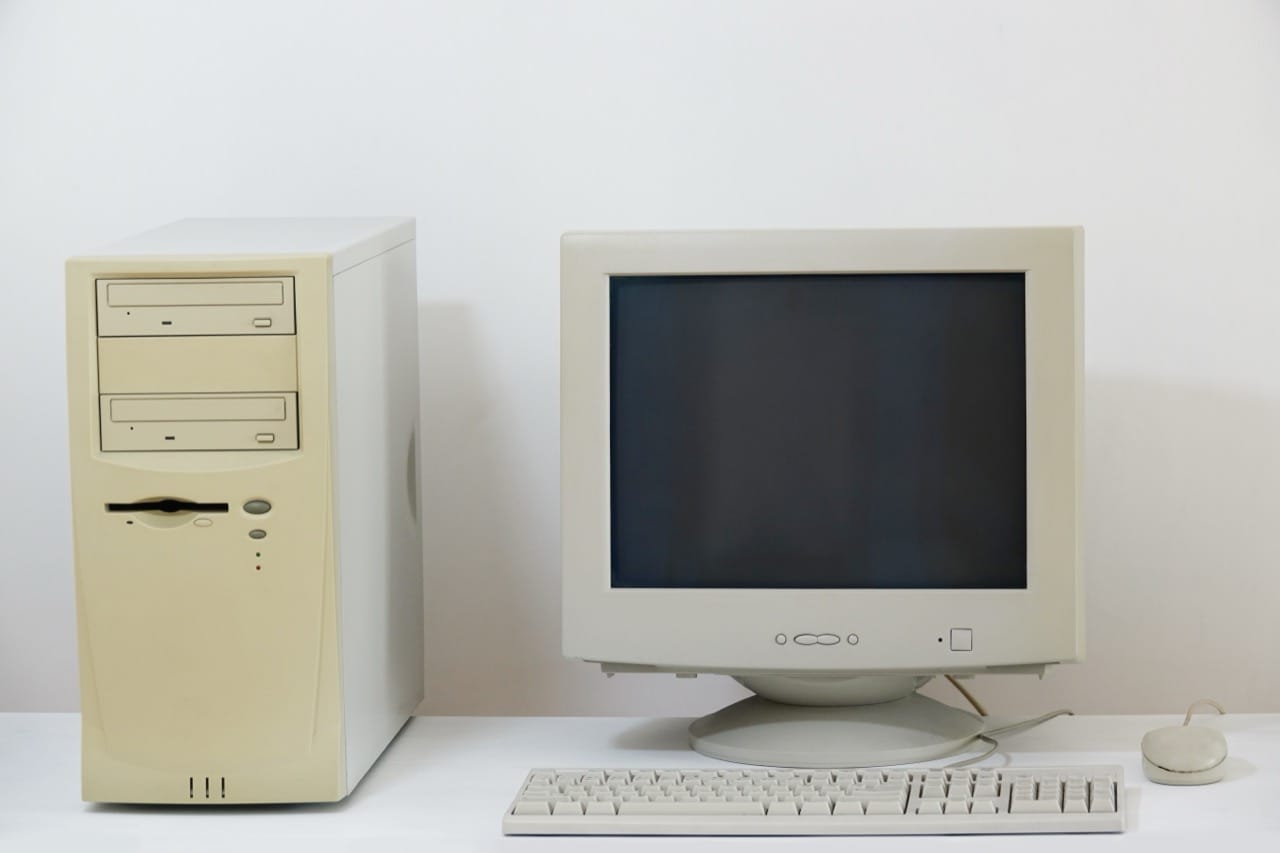
In the late 1990s, the future felt both thrilling and oddly fragile. The internet was moving from novelty to necessity, mobile phones were spreading fast, and computers were quietly becoming the hidden machinery of everyday life. They handled payroll and taxes, tracked shipping containers, scheduled flights, monitored hospital equipment, and helped balance the electric grid. That invisible dependence set the stage for one of the era’s most famous worries: the Y2K millennium bug.
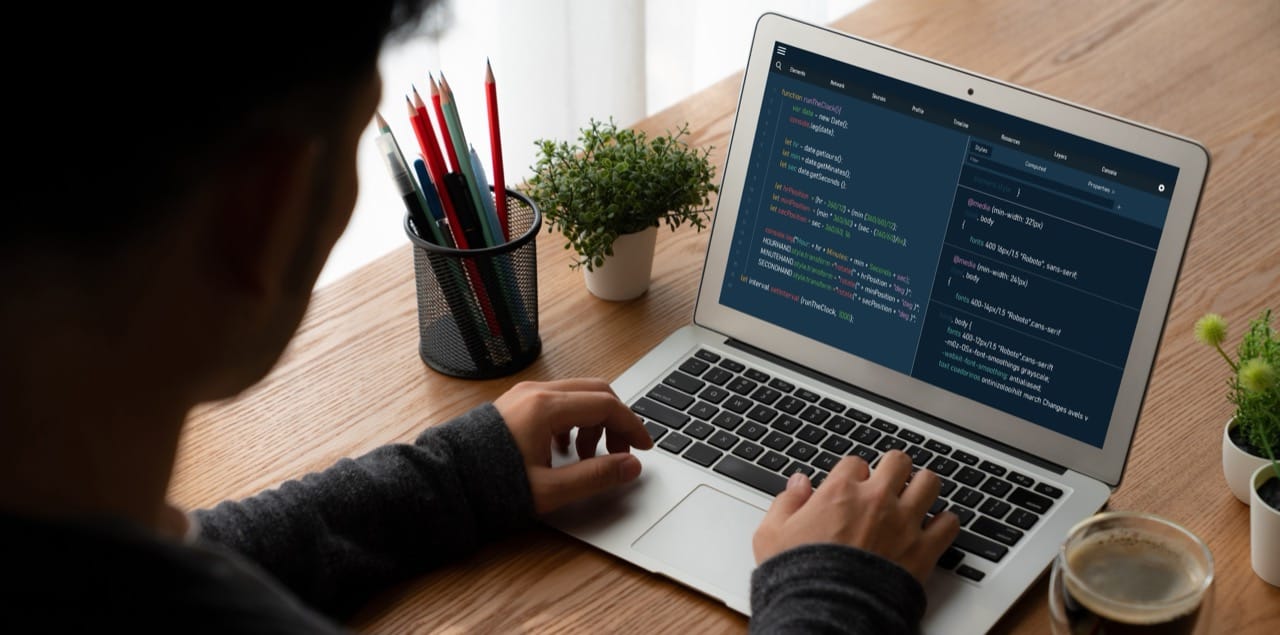
The problem sounded small enough to be a joke. For decades, many computer systems stored years using only two digits to save memory and speed processing. In that shortcut, 1998 became 98 and 1999 became 99. When the calendar rolled to 2000, the year would become 00, and some programs might interpret that as 1900 rather than 2000. If a system compared dates to calculate interest, validate an expiration date, or schedule maintenance, a sudden leap backward by a century could trigger errors. The fear wasn’t that every computer would instantly crash at midnight, but that a scattered set of failures in critical systems could ripple outward.
Y2K preparation became a massive global project. Governments created task forces, companies inventoried old software, and programmers hunted through code that had been written years earlier by people who had moved on. Some systems were patched by expanding year fields to four digits; others used clever “windowing” rules that assumed years within a certain range belonged to the 2000s. The work was expensive, but it also forced organizations to document systems they barely understood and to modernize technology that had been running on autopilot.
The public mood was a mix of sensible caution and dramatic speculation. News coverage ranged from practical advice, like keeping some cash on hand, to outlandish predictions of widespread collapse. Some people stockpiled food and water. Others threw themed parties poking fun at the panic. Because so many fixes happened quietly, it was hard for the average person to tell whether the threat had been exaggerated or successfully defused.
Then came millennium night itself, a rolling experiment conducted by the planet in real time. Midnight reached island nations and Pacific time zones first, then swept westward through Asia, Europe, Africa, and the Americas. Each new time zone was both a celebration and a checkpoint. If something truly catastrophic were going to happen, the world expected to hear about it quickly as the date line advanced.
Cities turned the moment into spectacle. Fireworks became a kind of global language, and televised countdowns stitched together distant places into one shared event. Some locations staged landmark displays meant to be remembered for decades, while others emphasized safety and contingency planning. Utilities and emergency services often scheduled extra staff, monitoring for glitches and responding to routine problems that, on any other night, might have gone unnoticed.
What happened at midnight was less dramatic than the rumors, but not completely uneventful. Many systems performed as intended, and the most serious failures were rare. Some minor disruptions did occur, such as incorrect dates appearing on receipts or reports, or small software hiccups that were quickly corrected. The relative calm became its own debate: proof that Y2K had been overblown, or evidence that the costly preparation had worked.
The millennium bug scare left a lasting lesson about how modern life relies on old decisions buried in code. It also showed how risk can be hard to measure from the outside: when prevention succeeds, it can look like nothing ever threatened us at all. Meanwhile, the celebrations are remembered for their human scale, families gathered around televisions, strangers counting down in public squares, and the strange feeling of watching the world hold its breath together, then exhale into fireworks and relief.