 Y2K & 1999Q1
Why did the year 2000 being a leap year matter for some Y2K-related failures?
 Y2K & 1999Q2
In Y2K discussions, what does the term "embedded system" usually refer to?
 Y2K & 1999Q3
What was the core technical cause of the Y2K bug in many older computer systems?
 Y2K & 1999Q4
Which European landmark is strongly associated with large New Year 2000 celebrations in London?
 Y2K & 1999Q5
Which famous New York City gathering place hosted one of the most iconic New Year 2000 countdowns in the United States?
 Y2K & 1999Q6
What was the general outcome for critical infrastructure in many countries at midnight on January 1, 2000?
 Y2K & 1999Q7
What was the name of the international TV special that followed New Year 2000 celebrations around the world, time zone by time zone?
 Y2K & 1999Q8
Why did some organizations continue monitoring for date-related issues after January 1, 2000?
 Y2K & 1999Q9
Which city's New Year 2000 fireworks lit up its harbour bridge with the word 'Eternity'?
 Y2K & 1999Q10
What was a common remediation approach for Y2K in large organizations?
 Y2K & 1999Q11
Which date was widely used for Y2K remediation testing because it could reveal end-of-year rollover problems?
 Y2K & 1999Q12
Which sector was commonly viewed as especially sensitive to Y2K problems because of time-based transactions and interest calculations?
Clock Panic and Fireworks Facts: What Y2K Really Meant at Midnight 2000
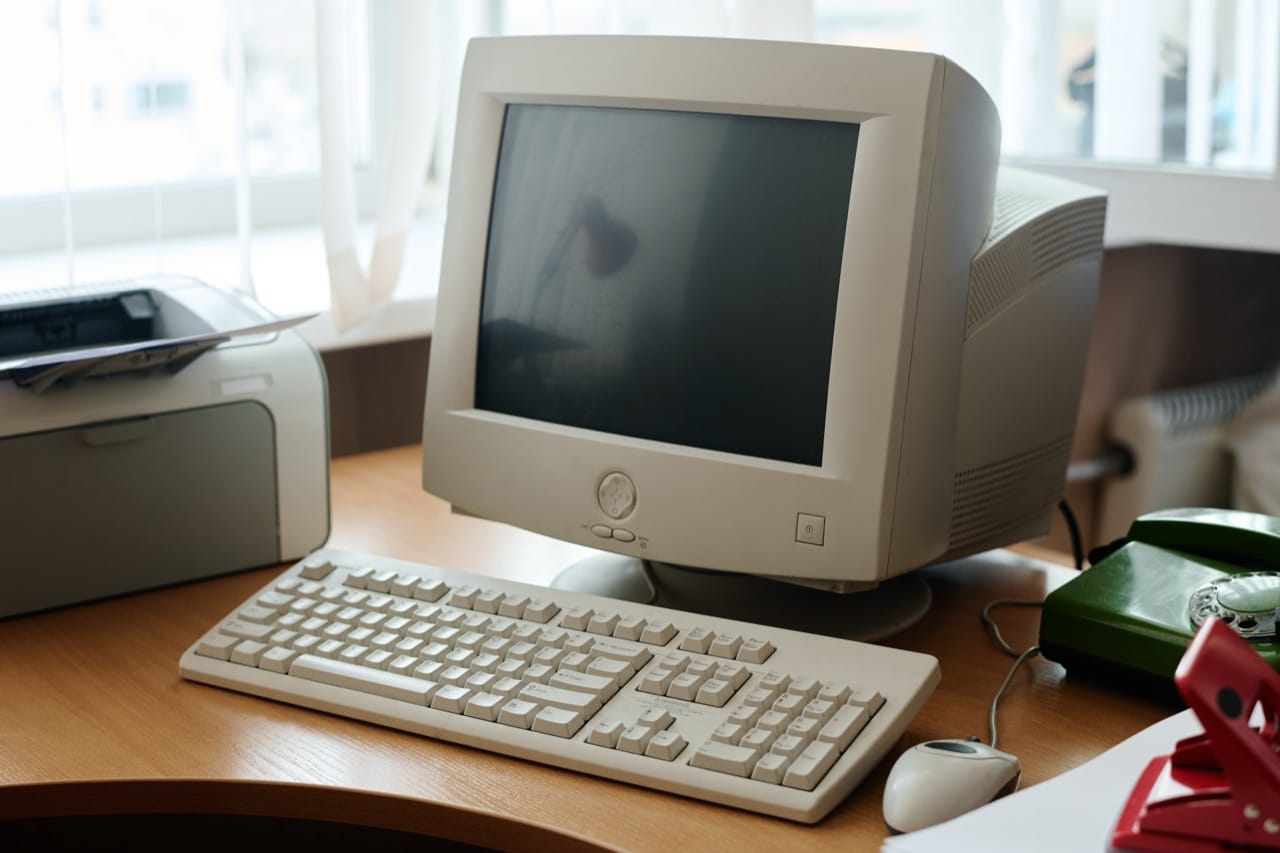
As the world approached the night the calendar flipped to 2000, two emotions shared the spotlight: excitement and unease. On one hand, it was a once in a lifetime milestone that begged for fireworks, concerts, and televised countdowns. On the other, there was the Y2K bug, a technical problem with a catchy name and a reputation for worst case scenarios. The fear was simple to explain: many older computer systems stored years using only two digits, so 1999 was saved as 99. When 2000 arrived, the year could be stored as 00, which some programs might interpret as 1900. That could make a system think time had moved backward by a century, scrambling calculations that depend on dates.
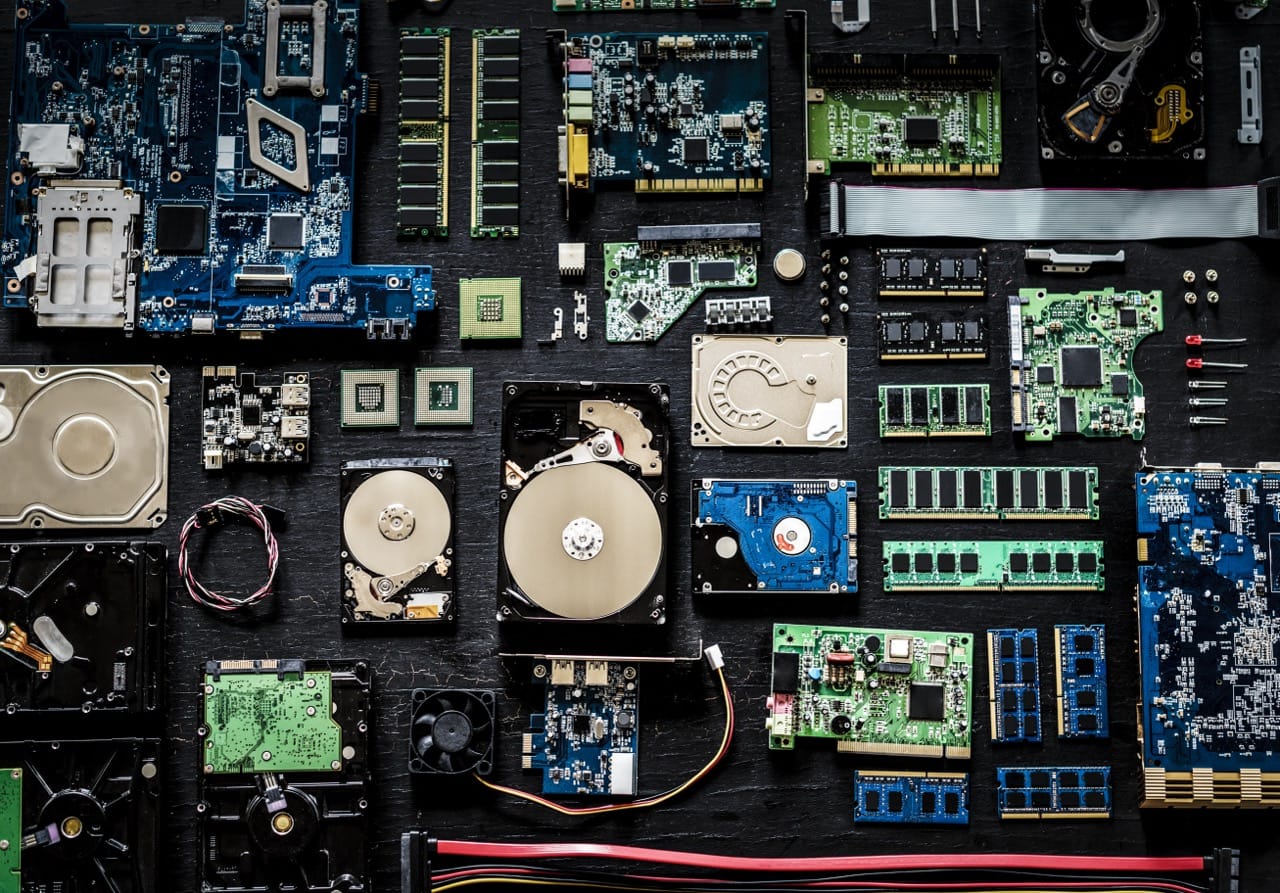
The reason this happened was not a single mistake but a common habit shaped by the technology of earlier decades. Memory and storage were expensive, and saving two digits instead of four was a practical shortcut across countless programs, databases, and embedded devices. The problem was also hidden in plain sight because it did not matter much until the century changed. Many systems worked fine for years, even decades, and then suddenly faced a date they were never designed to handle.
What made Y2K especially complicated was how widely computers were woven into everyday life by the late 1990s. Banks relied on date calculations for interest, fees, and transaction histories. Airlines used dates for scheduling and maintenance logs. Utilities used computers to monitor and control equipment. Even if one company fixed its own software, it still depended on suppliers, partners, and older hardware that might behave unpredictably. That is why the response became so large. Governments created task forces, companies inventoried their systems, programmers searched through old code, and many organizations ran simulations by advancing internal clocks to see what would break.
The price tag was enormous, running into the tens of billions of dollars worldwide, and it fueled debate afterward. Some people argued the threat had been exaggerated because the new year arrived with limited disruption. Others pointed out that the relatively calm rollover was evidence that the preparation worked. In reality, both can be partly true. Many critical systems were fixed or replaced, and countless smaller glitches were prevented before they could affect customers. At the same time, not every scary prediction was realistic, and some systems were never at serious risk.
When midnight arrived, the most visible story was celebration. Because time zones reach the new day at different moments, the world watched the millennium arrive in waves. Major cities planned elaborate shows designed for television as much as for local crowds. Sydney’s harbor became an early focal point, with fireworks around the Opera House and Harbour Bridge. In Europe, landmarks like the Eiffel Tower and the London skyline drew huge gatherings. In the United States, Times Square hosted its famous ball drop with extra symbolism, while many cities staged their own countdowns and concerts.
The Y2K story also had a human side beyond code. Some people stocked food, water, and batteries, worried about power failures or banking problems. Others threw millennium parties with a playful sense of doom, joking about computers forgetting the date while dancing into the future. In the end, the night delivered more spectacle than chaos, but it left a lasting lesson. The Y2K bug showed how small design choices can echo decades later, and how modern life depends on systems most people never see. It also demonstrated that large scale technical risks can be managed when organizations coordinate, test carefully, and take deadlines seriously. The millennium arrived with bright skies and mostly steady lights, and the world exhaled as the clocks kept ticking forward.