 Y2K & 1999Q1
In 1999, which peer-to-peer service popularized mass sharing of MP3 music files over the internet?
 Y2K & 1999Q2
What does the term CD-ROM stand for?
 Y2K & 1999Q3
Which date and time marked the first moment when Y2K could begin affecting systems worldwide?
 Y2K & 1999Q4
What does the term “burning a CD” refer to?
 Y2K & 1999Q5
Which file system was commonly used for CD-ROM data discs to ensure broad compatibility across computers?
 Y2K & 1999Q6
In the late 1990s, what was the typical maximum data capacity of a standard 12 cm CD-ROM?
 Y2K & 1999Q7
Which CD format was designed to be written once and then read many times?
 Y2K & 1999Q8
Which CD format allows erasing and rewriting data multiple times?
 Y2K & 1999Q9
Why did some organizations perform Y2K remediation by expanding date fields from two digits to four digits?
 Y2K & 1999Q10
What was the core technical cause of the Y2K bug in many older computer systems?
 Y2K & 1999Q11
Why did Y2K issues often involve incorrect comparisons or sorting of dates?
 Y2K & 1999Q12
Which optical-disc format typically offered about 4.7 GB of storage, far more than a CD, and was becoming mainstream around 1999?
Millennium Glitches and Compact Disc Breakthroughs
In 1999, technology felt both polished and precarious. Compact discs were everywhere, from music collections to software boxes, and home computers were powerful enough to make ordinary people care about file systems, storage limits, and updates. At the same time, the calendar was creeping toward 2000, and the Y2K bug turned what sounded like a nerdy bookkeeping detail into a nightly news story.
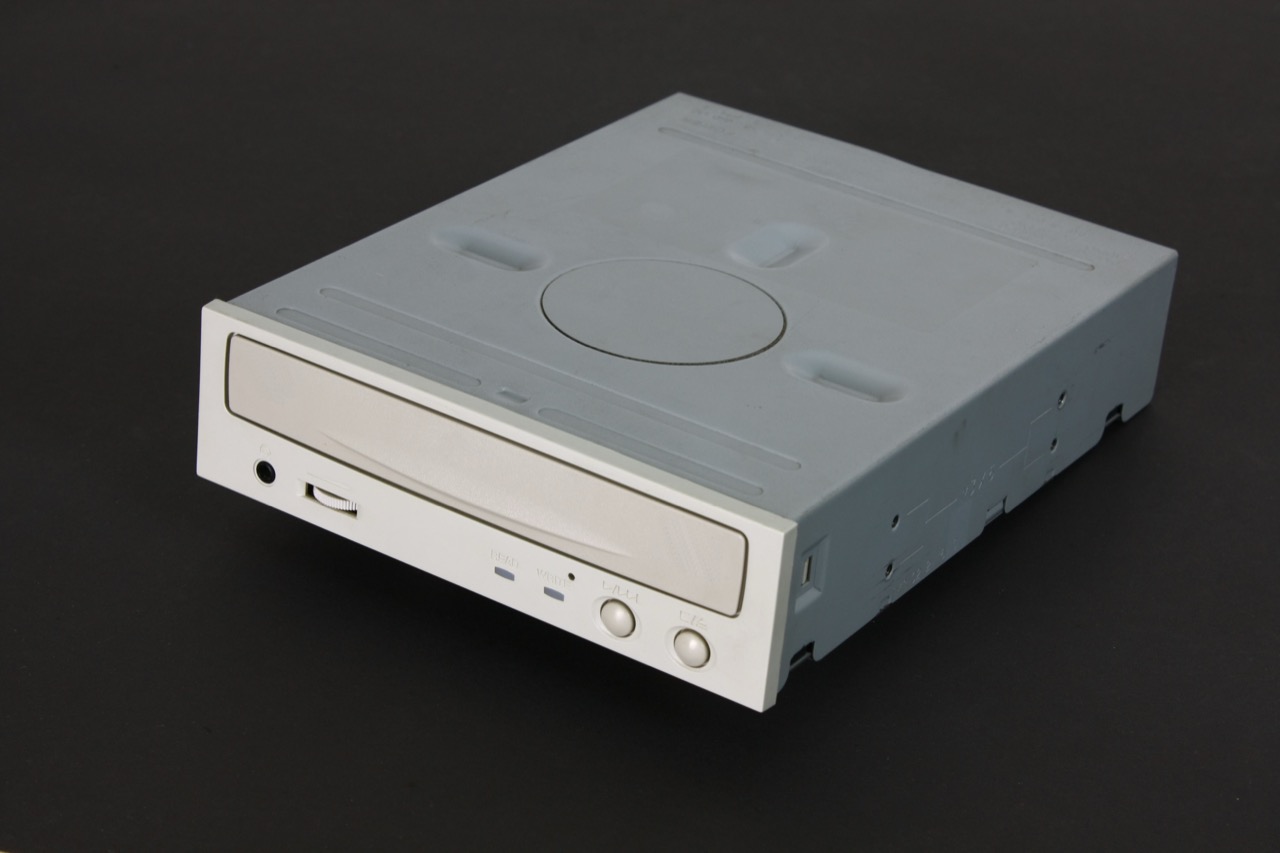
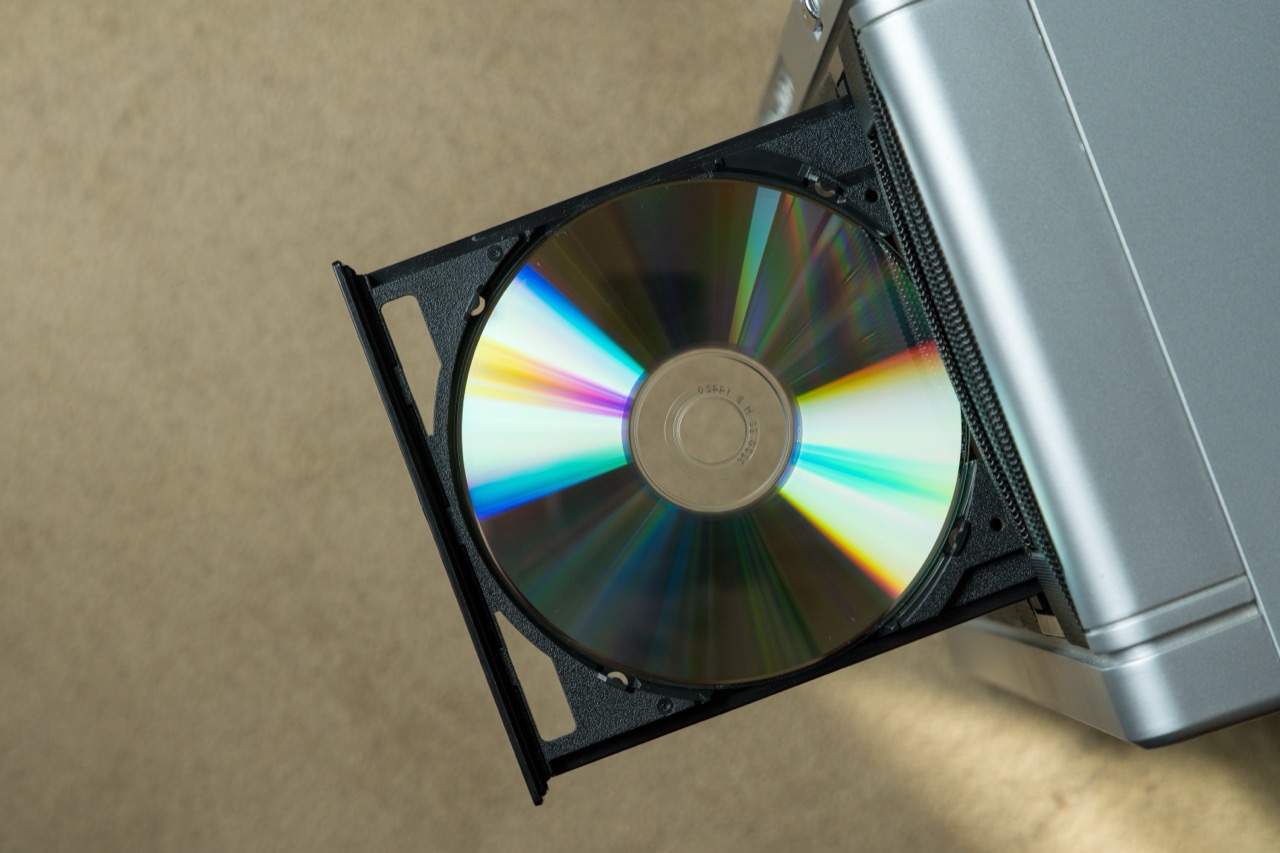
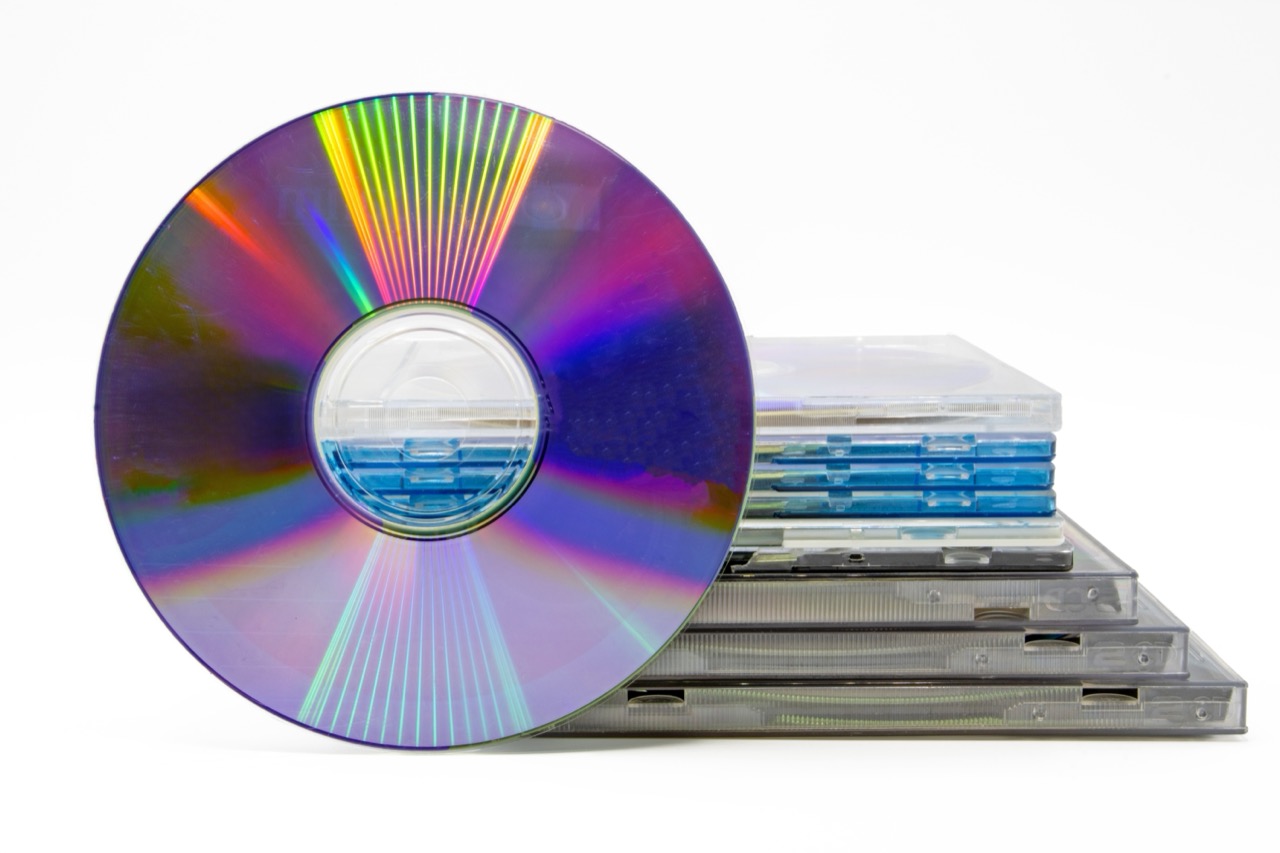
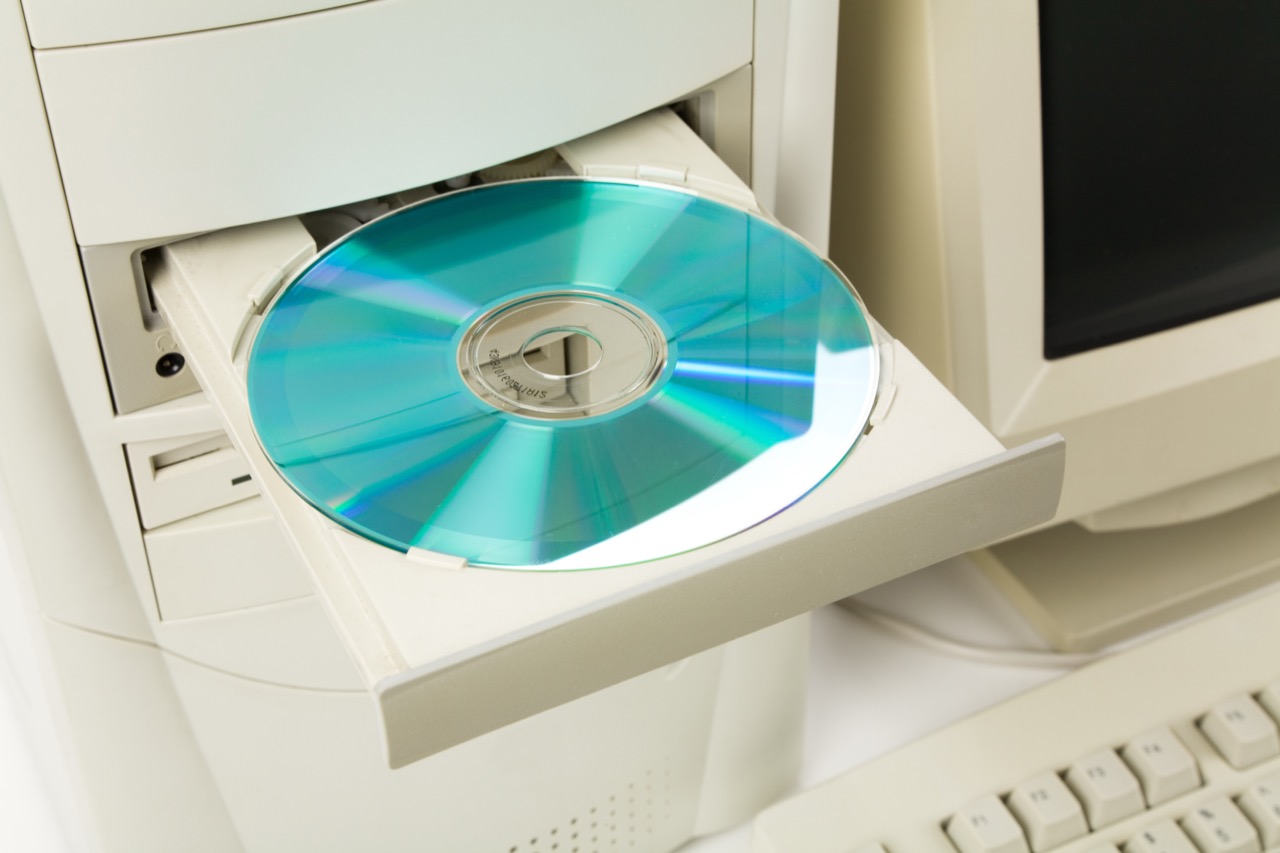
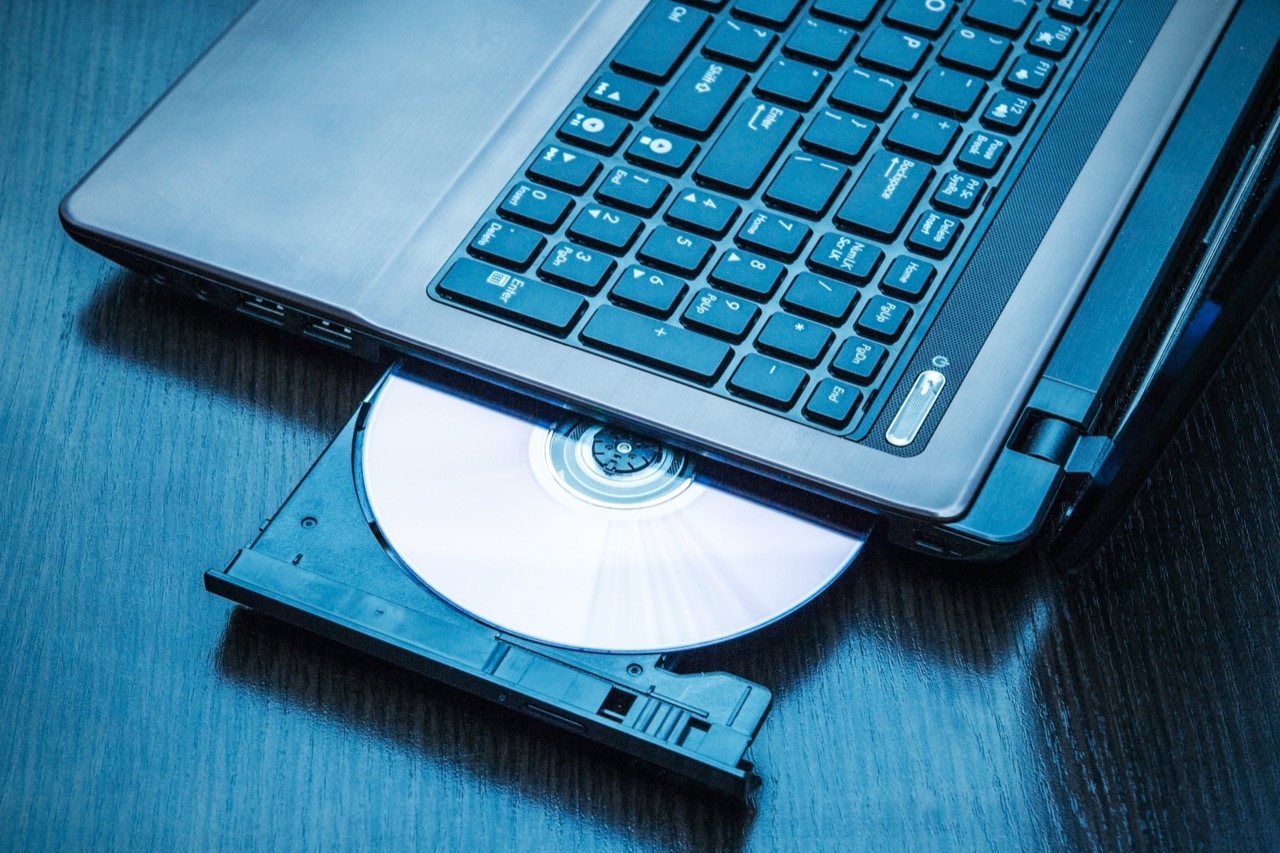
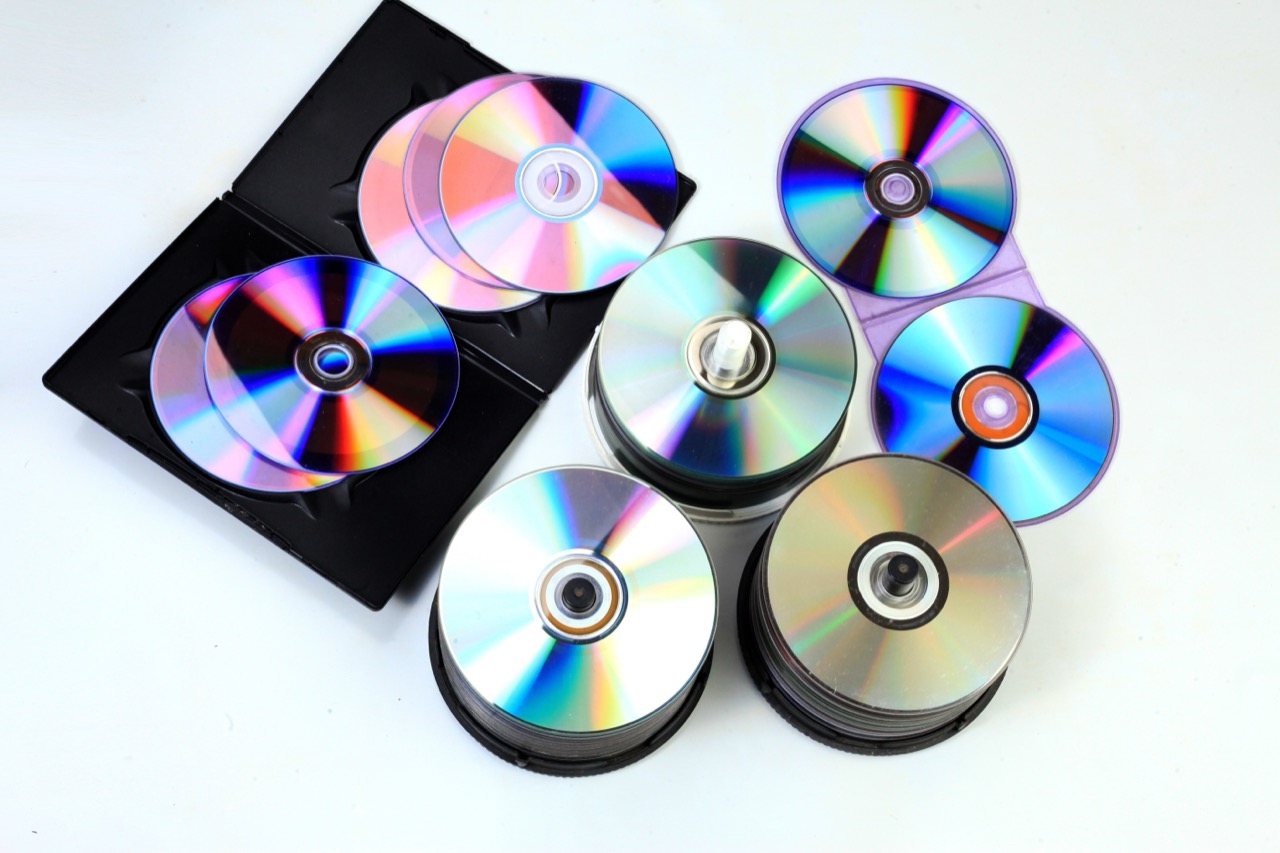
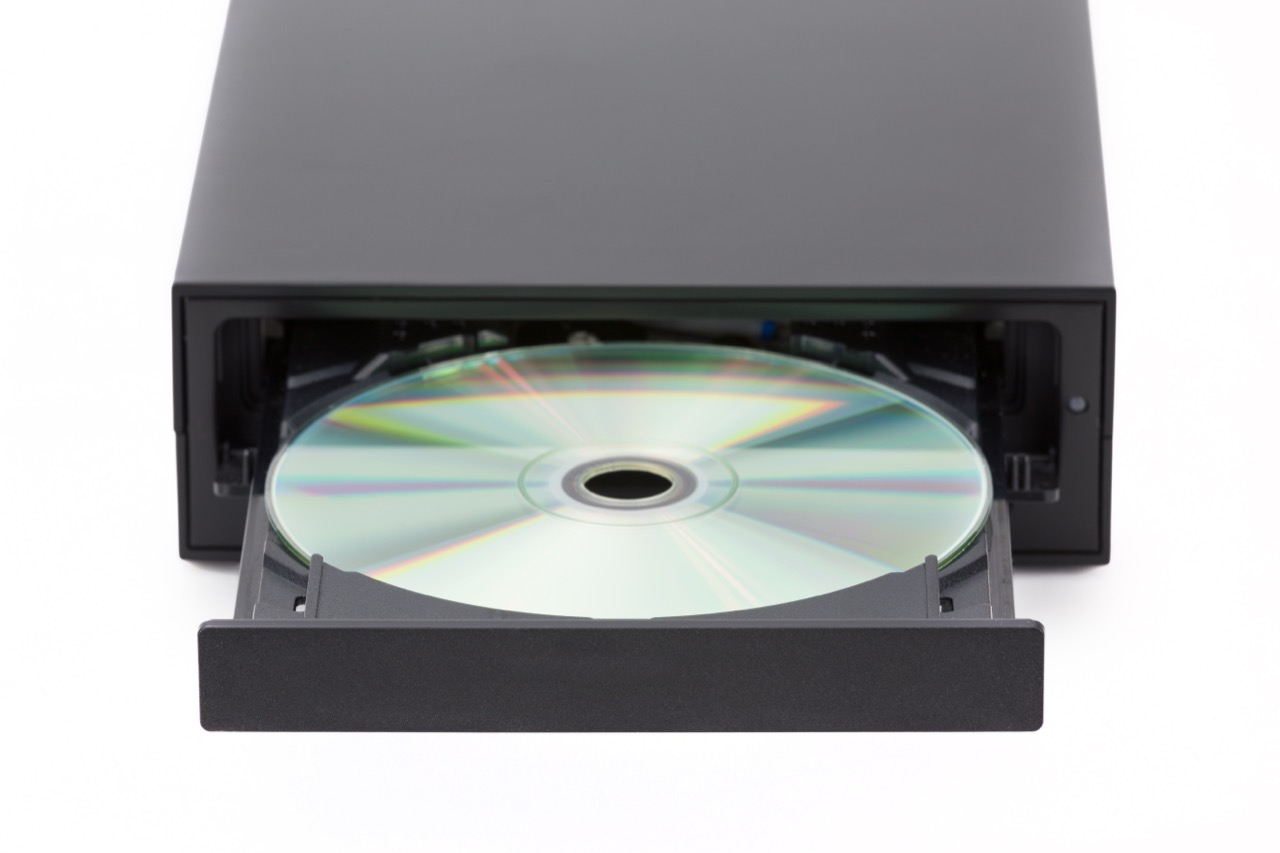
The compact disc had been around for years, but the late 1990s were its peak as a universal medium. A standard audio CD stored about 74 minutes of music, which translated to roughly 650 megabytes of digital data. Later discs often held 700 megabytes by tightening track spacing and extending playing time. For consumers, the big change was recordability. CD R let you write data once, while CD RW allowed rewriting using a different material that could switch between reflective states. Burning a disc was more than copying files; the drive had to write a continuous stream without interruption, which is why buffer underruns were dreaded. “Burn proof” style protections appeared to pause and resume writing when a computer could not keep up.
Under the hood, CDs used clever error correction because scratches and dust were a fact of life. Data was interleaved and protected with redundancy so a player could reconstruct missing bits. That is why a scuffed music CD might still play, and why a data CD could sometimes be read even when it looked rough. File systems mattered too. ISO 9660 aimed for maximum compatibility, but its basic form limited file names and directory depth. Extensions like Joliet added longer names for Windows, while Rock Ridge did the same for Unix like systems. If you ever saw oddly shortened file names on a disc, you were seeing the legacy of cross platform compromises.
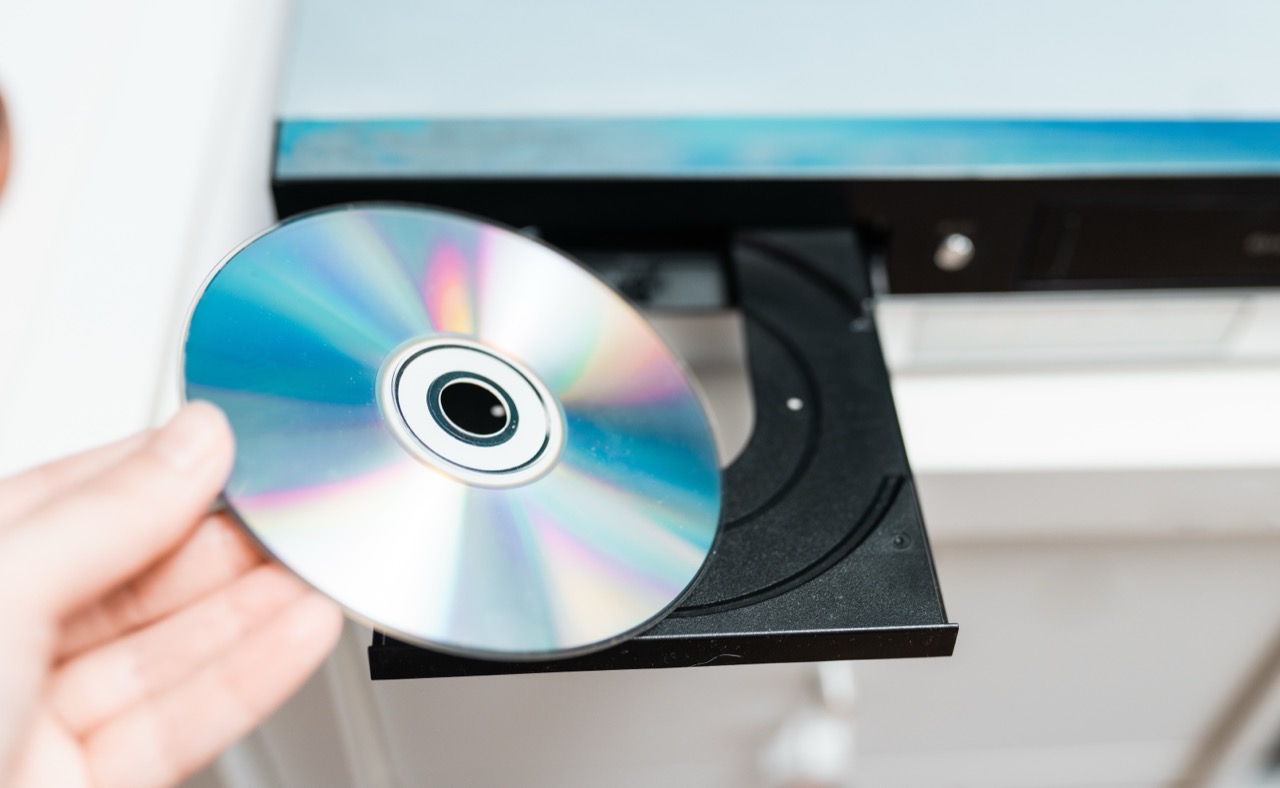
While CDs ruled, DVDs were arriving as the next step. A single layer DVD held about 4.7 gigabytes, a huge leap that made full length movies and larger software distributions practical. But the format story was messy. Rival recordable standards, DVD R, DVD RW, DVD RAM, and later DVD plus variants, competed for mindshare, confusing buyers and driving the popularity of multi format drives. Meanwhile, MP3s were reshaping music. Compression made songs small enough to download over dial up and store by the hundreds, trading some audio fidelity for convenience. Portable MP3 players were emerging, and ripping CDs to a hard drive became a common hobby, raising new questions about bitrate, storage space, and legality.
All of this unfolded under the shadow of Y2K. The Year 2000 problem was not that computers could not handle a new millennium, but that many programs stored years as two digits to save memory and disk space. In earlier decades, those savings were meaningful. The trouble came when “99” turned into “00.” Software might interpret 00 as 1900, making dates appear to go backward. That could break sorting, interest calculations, expiration checks, scheduling, and any logic that assumed time moved forward. Some systems also used special values like 99 or 9999 to mean “no expiration,” which became risky when real dates approached those placeholders.
Fixing Y2K was less about a single patch and more about inventory and testing. Companies had to find where dates were stored, how they were compared, and whether databases, interfaces, and reports all agreed. Some fixes expanded fields to four digit years. Others used windowing, treating 00 to 49 as 2000 to 2049, for example, and 50 to 99 as 1950 to 1999. That approach reduced changes but created future ambiguity. Firmware and embedded systems were another worry: devices like building controllers and industrial equipment sometimes had clocks and schedules, and their software was harder to inspect.
The reason Y2K became such a big deal is that the modern world already depended on interconnected systems. A date error in one place could ripple into billing, shipping, payroll, or compliance. By late 1999, many organizations were shipping updates, replacing older software, and running rehearsals to simulate the rollover. When midnight arrived, the relatively calm outcome was not proof the risk was fake; it was evidence that a massive, coordinated engineering effort had done its job. The era is a reminder that technology is shaped as much by practical constraints and compatibility decisions as by shiny new formats and faster processors.