 Sports & RecreationQ1
Which team won the 2004 NBA Finals, becoming known for a defense-first identity in the mid-2000s?
 Sports & RecreationQ2
Which team did the San Antonio Spurs sweep 4-0 in the 2007 NBA Finals?
 Sports & RecreationQ3
Which franchise drafted Kevin Durant in 2007, when it was still based in Seattle?
 Sports & RecreationQ4
Which team played its home games at Staples Center throughout the 2000s and won multiple championships early in the decade?
 Sports & RecreationQ5
Which jersey number is most famously associated with Michael Jordan’s Washington Wizards return in the early 2000s?
 Sports & RecreationQ6
Which team beat the Los Angeles Lakers in the 2008 NBA Finals to win its 17th championship?
 Sports & RecreationQ7
Which player was a central face of the Houston Rockets in the 2000s and is widely recognized as an international basketball icon from China?
 Sports & RecreationQ8
Which franchise drafted LeBron James in 2003, beginning a new era for the team and its fan culture?
 Sports & RecreationQ9
Which NBA team relocated from Seattle and began play in Oklahoma City in 2008?
 Sports & RecreationQ10
Which player was famously known as 'The Big Fundamental' during the 2000s?
 Sports & RecreationQ11
Which star’s nickname was 'The Answer,' a major part of NBA pop culture in the early 2000s?
 Sports & RecreationQ12
Which 2000s star is closely associated with the 'Black Mamba' nickname?
2000s NBA Stars, Teams, and the Moments That Defined a Decade
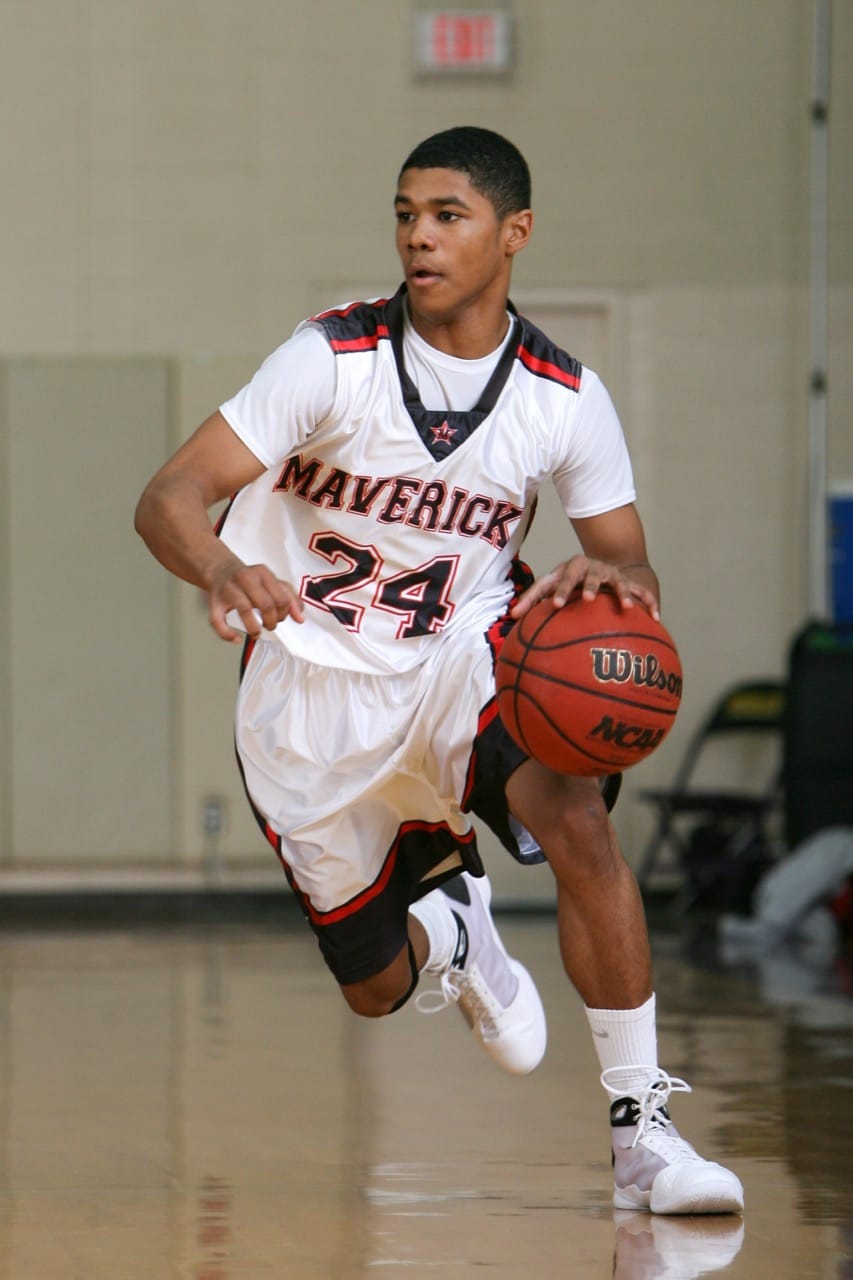
The 2000s NBA is remembered as much for its personalities and team identities as for any stat line. It was the decade when certain franchises felt like permanent fixtures in late May and June, when a handful of stars became cultural landmarks, and when fans learned to recognize eras by uniforms, rivalries, and iconic plays replayed for years.
No team symbolized early-2000s dominance more than the Los Angeles Lakers. With Shaquille ONeal and Kobe Bryant powered by Phil Jackson, the Lakers won three straight championships from 2000 to 2002, turning the triangle offense into a household phrase and making Staples Center a nightly event. Their success also set the stage for one of the decade’s most discussed storylines: star partnerships under pressure. After Shaq was traded to Miami in 2004, the league’s balance shifted, and the question became whether a single superstar could carry a team the way the Lakers had.
While the Lakers were the era’s glamorous powerhouse, the San Antonio Spurs became the model of sustained excellence. Tim Duncan’s steady brilliance, Gregg Popovich’s demanding culture, and a roster that evolved from David Robinson to Tony Parker and Manu Ginobili produced titles in 2003, 2005, and 2007. The Spurs weren’t always flashy, but their identity was unmistakable: discipline, defense, and execution. Their rivalry with the Lakers defined much of the decade’s Western Conference drama, and their approach influenced how many franchises thought about team building.
Defense-first basketball had its purest modern symbol in the 2004 Detroit Pistons. They upset the star-studded Lakers in the Finals with a starting group built around balance and toughness rather than a single headliner. Ben Wallace became the face of that identity, and the team’s blue-collar reputation matched the city’s image. The Pistons also helped keep rivalries alive in the East, where physical play and hard-nosed series often felt like a different sport compared to today’s spacing-heavy game.
The decade also introduced a new generation of superstars. LeBron James arrived in 2003 with unprecedented hype and quickly became the league’s main character, reaching the 2007 Finals and redefining what fans expected from a young wing. Dwyane Wade delivered one of the signature championship runs in 2006, lifting the Miami Heat to the franchise’s first title alongside Shaq. Kevin Durant entered the league in 2007 and, even before his teams contended, was already changing conversations about scoring with his height, touch, and ease.
Some of the 2000s most enduring memories are single plays and single nights. Tracy McGrady’s 13 points in 33 seconds in 2004 remains one of the wildest late-game turnarounds ever. Reggie Miller’s earlier heroics were replaced by new clutch legends, and arenas developed their own rituals and soundtracks that fans still associate with that era. The league’s look and feel shifted too, with the mid-decade dress code becoming a pop-culture talking point and players’ off-court presentation turning into part of the NBA’s story.
International talent became impossible to ignore. Dirk Nowitzki’s rise with Dallas helped normalize the idea that a European star could be a franchise centerpiece, and Yao Ming became a global icon whose impact extended far beyond Houston. By the end of the decade, the NBA felt more worldwide than ever, and the 2000s were the bridge.
Taken together, the 2000s NBA was a collage of dynasties, defensive pride, superstar arrivals, and moments that still function as shared reference points. If you remember the teams by their identities and the players by their signature nights, you remember the decade the way most fans do.
Up next in Sports & Recreation
All 20 Sports & RecreationNew
2000s MLB Numbers and Fall Classics
 Sports & RecreationNew
2000s World Series and the Steroid Era
 Sports & RecreationNew
2000s Stanley Cup Champions Trivia
 Sports & RecreationNew
Stanley Cup Moments of the 2000s
 Sports & RecreationNew
World Cups and 2000s Football Icons
 Sports & RecreationNew