 Y2K & 1999Q1
In the context of software distribution in 1999, what did "CD-ROM" stand for?
 Y2K & 1999Q2
Why did many organizations run Y2K "end-to-end" tests before January 1, 2000?
 Y2K & 1999Q3
Which of the following is the correct name for the Y2K-related date that immediately followed December 31, 1999?
 Y2K & 1999Q4
Which optical disc format became widely known for holding about 4.7 GB on a single-layer disc, far more than a CD?
 Y2K & 1999Q5
Which of these was a common Y2K remediation approach for legacy code handling dates?
 Y2K & 1999Q6
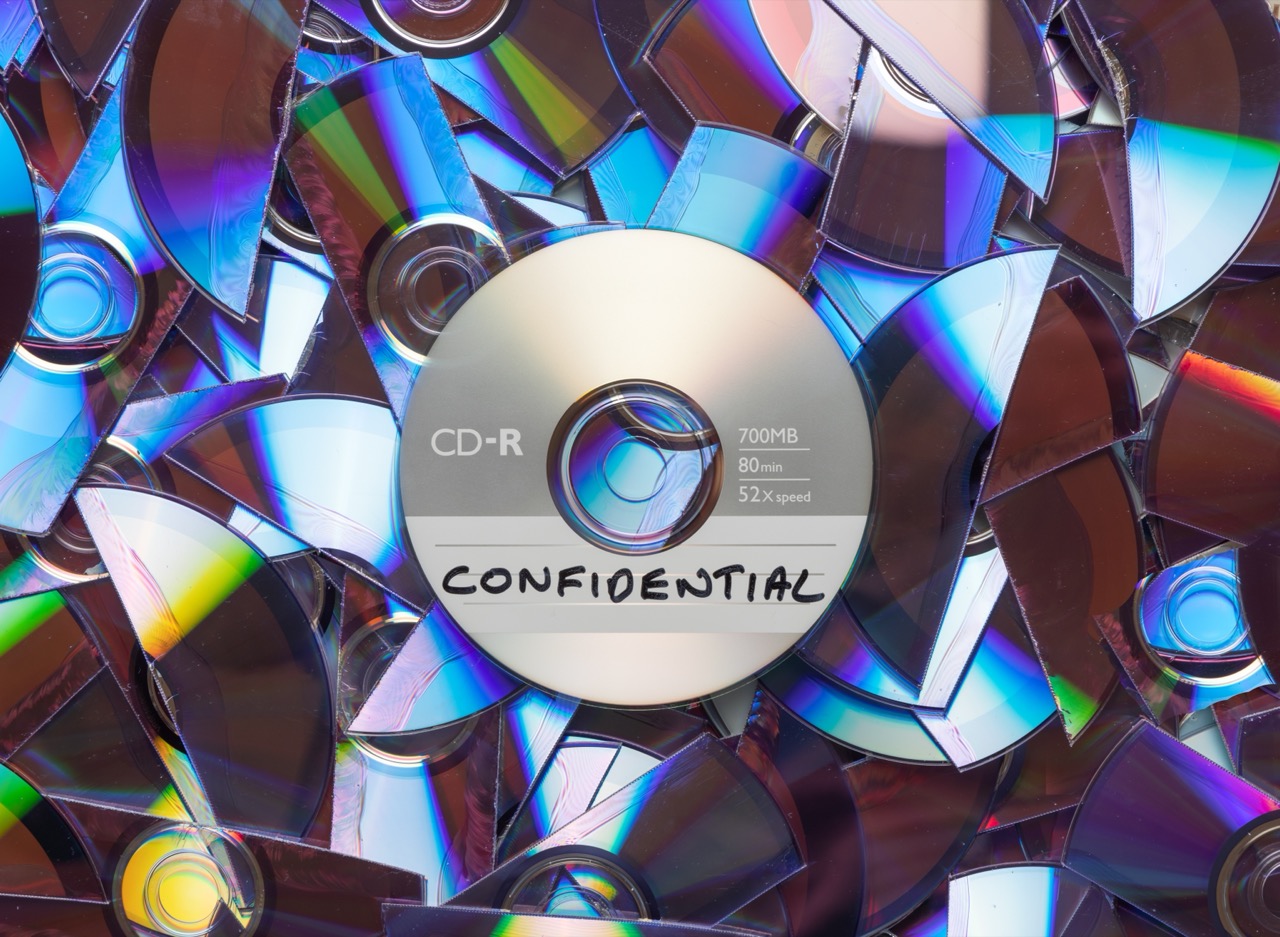
What is a common reason CD-Rs were considered less reliable for long-term archiving than pressed CD-ROMs?
 Y2K & 1999Q7
Which day in 2000 became a secondary concern for date-handling bugs because it was a leap day?
 Y2K & 1999Q8
What is the most commonly cited data capacity of a standard 74-minute CD-ROM?
 Y2K & 1999Q9
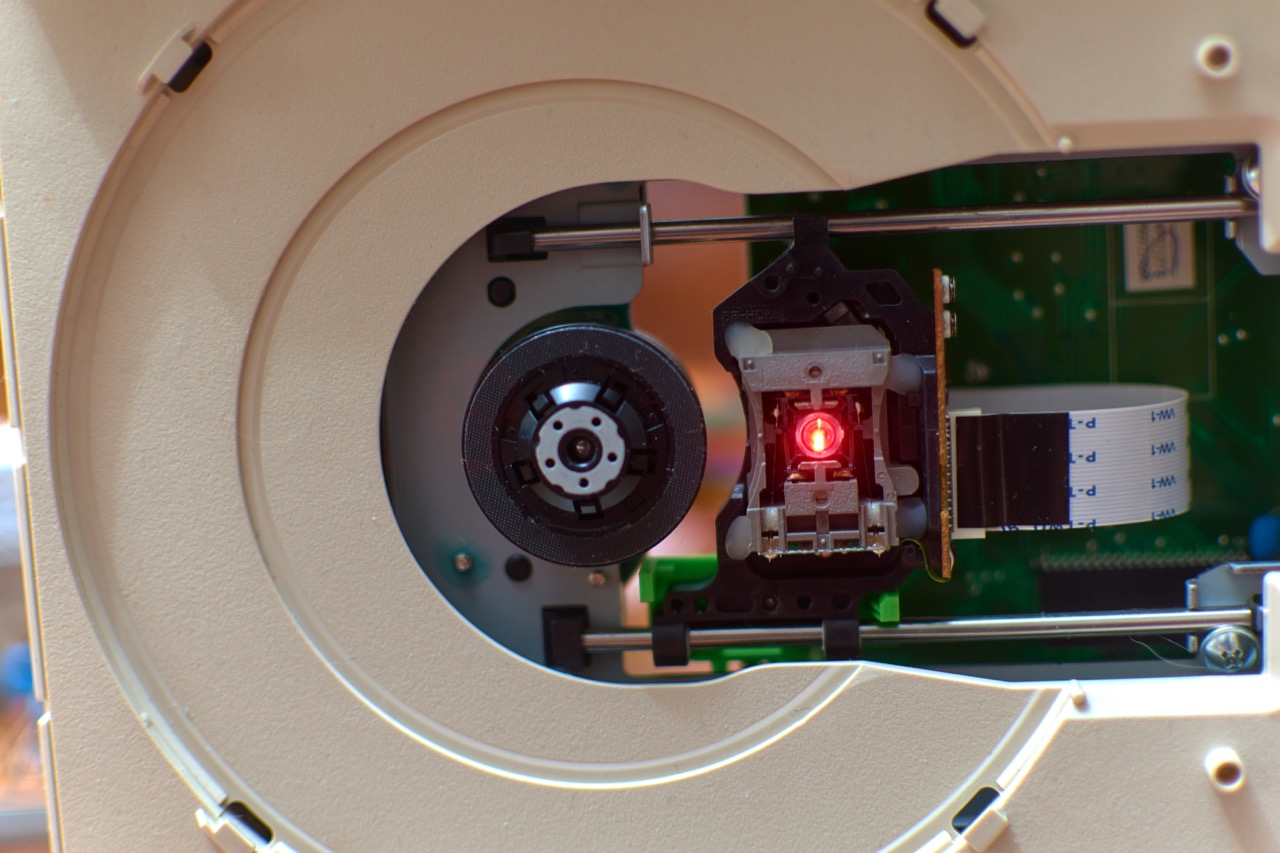
What does "ISO 9660" most commonly refer to in 1990s PC computing?
 Y2K & 1999Q10
Which date-related shortcut was a major root cause of Y2K software failures?
 Y2K & 1999Q11
In late-1990s home computing, what was a primary advantage of installing software from CD instead of multiple floppy disks?
 Y2K & 1999Q12
What does the term "Y2K" literally refer to?
When CDs Met Y2K Anxiety
In late 1999, two big ideas shared the spotlight: the compact disc as a symbol of modern computing, and the fear that a tiny detail in old software could cause outsized chaos when the calendar rolled over to 2000. It was an era when you could buy a computer game or an encyclopedia as a physical object, pop it into a tray, and watch multimedia spring to life. At the same time, news reports and office memos warned that the world’s computers might misunderstand the year 00 as 1900, potentially scrambling everything from payroll to power generation.
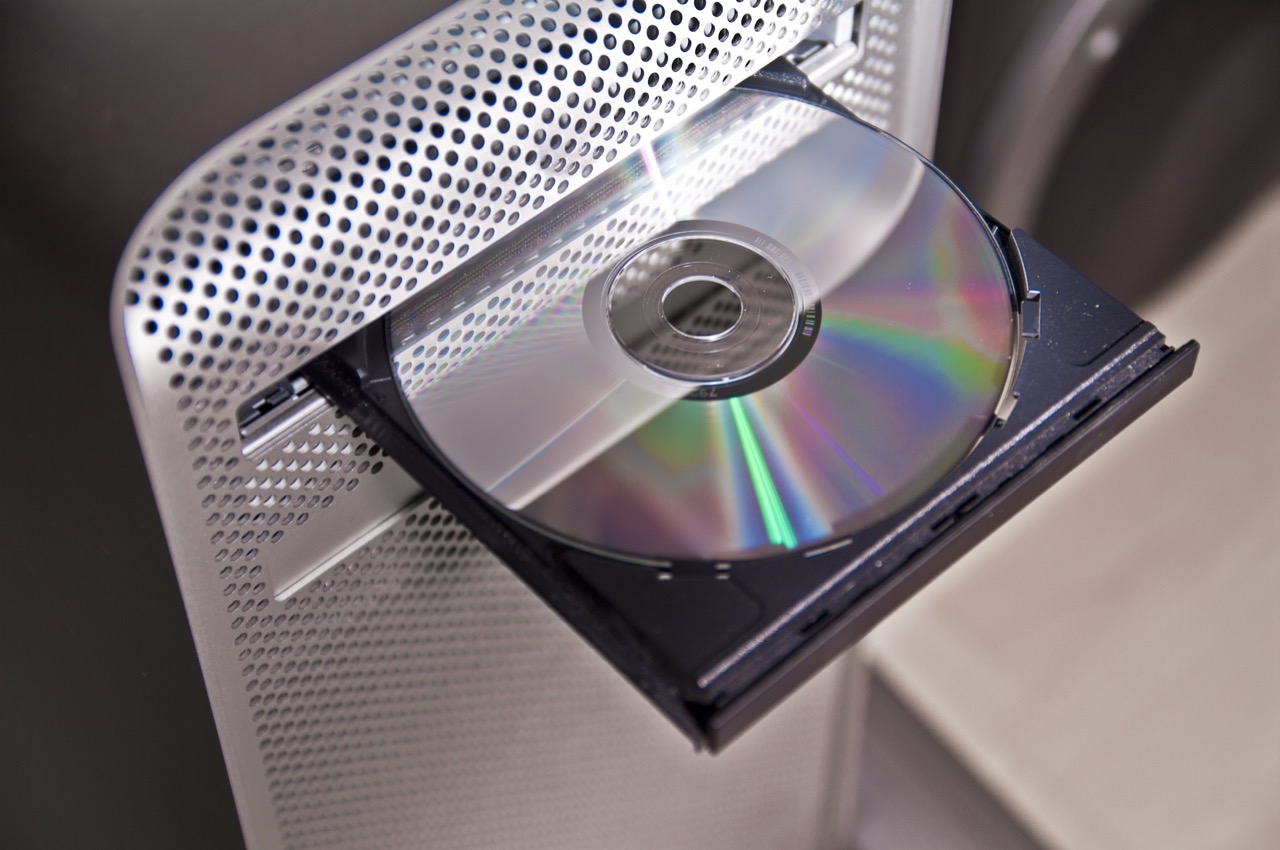
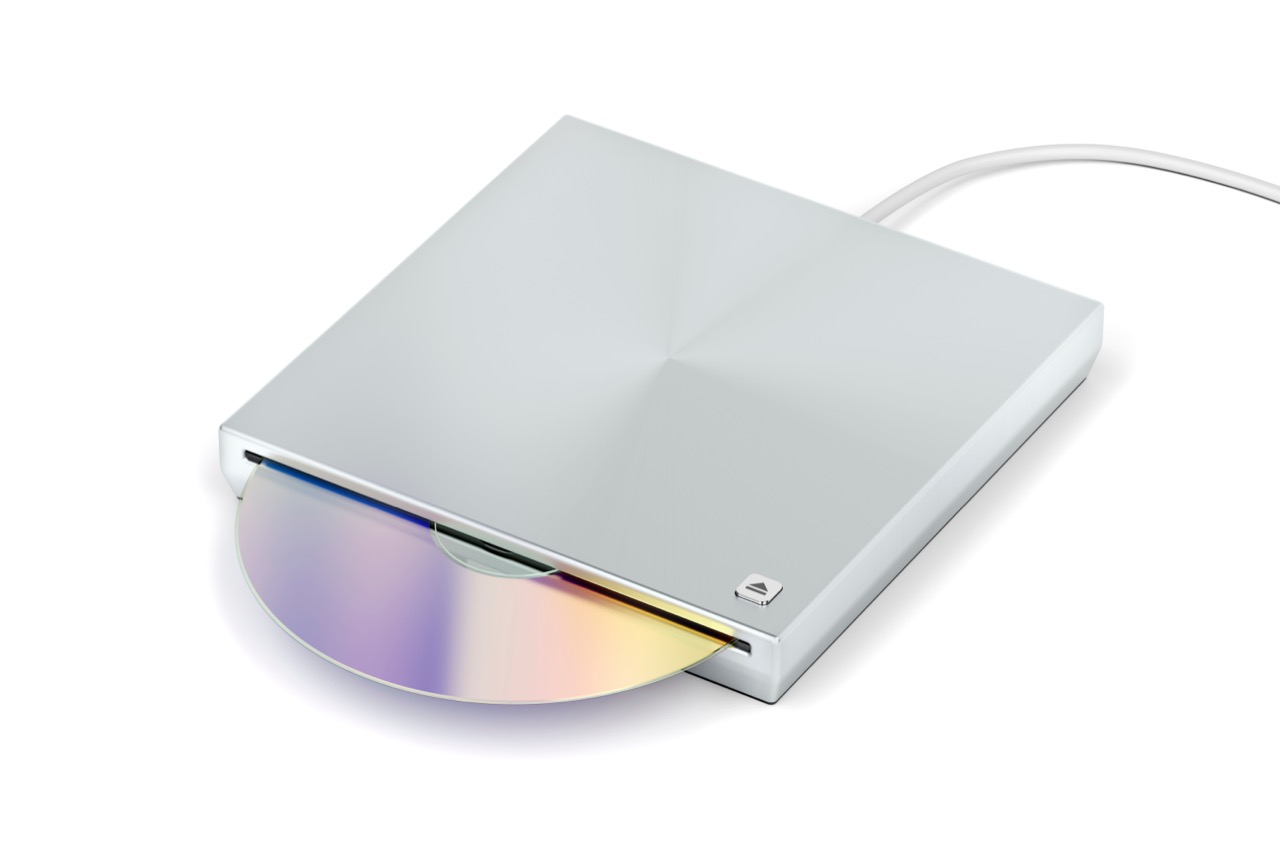
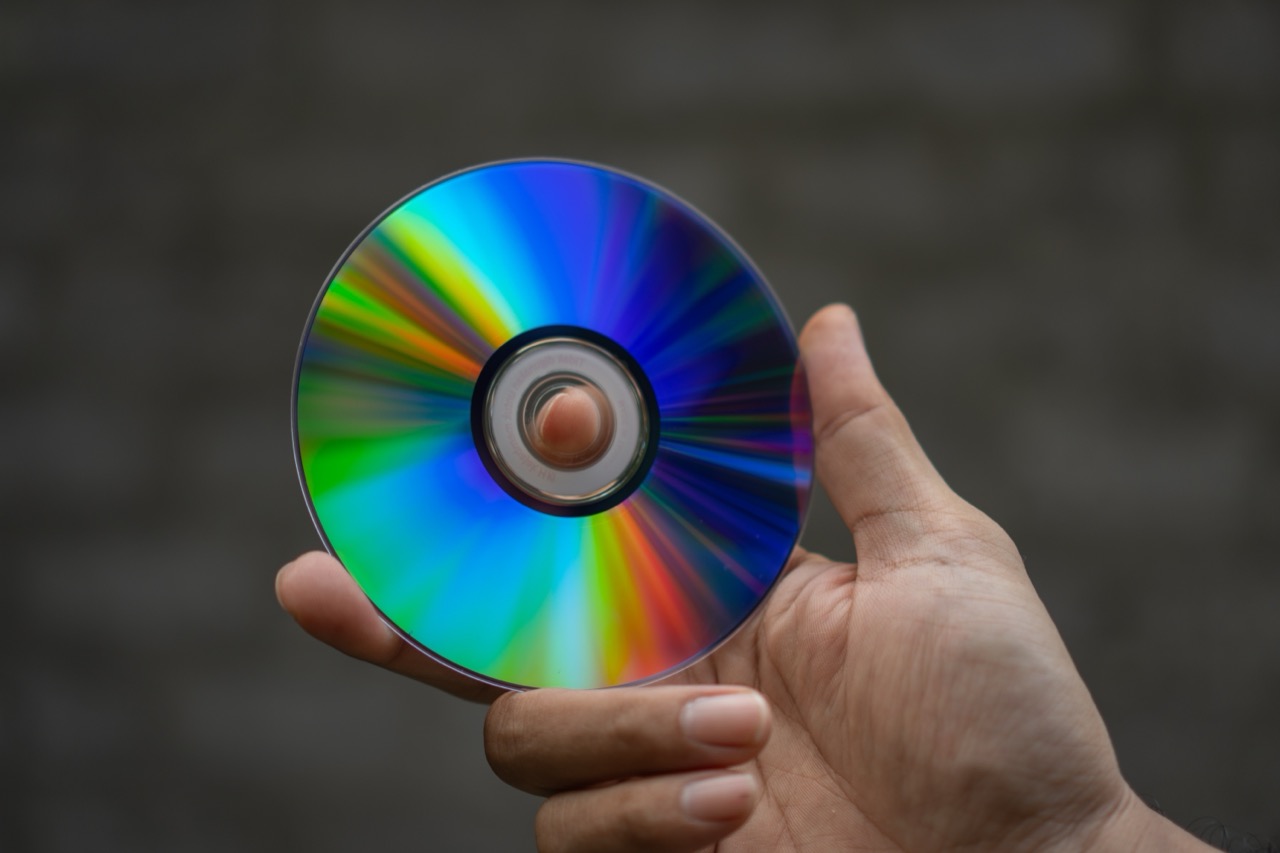
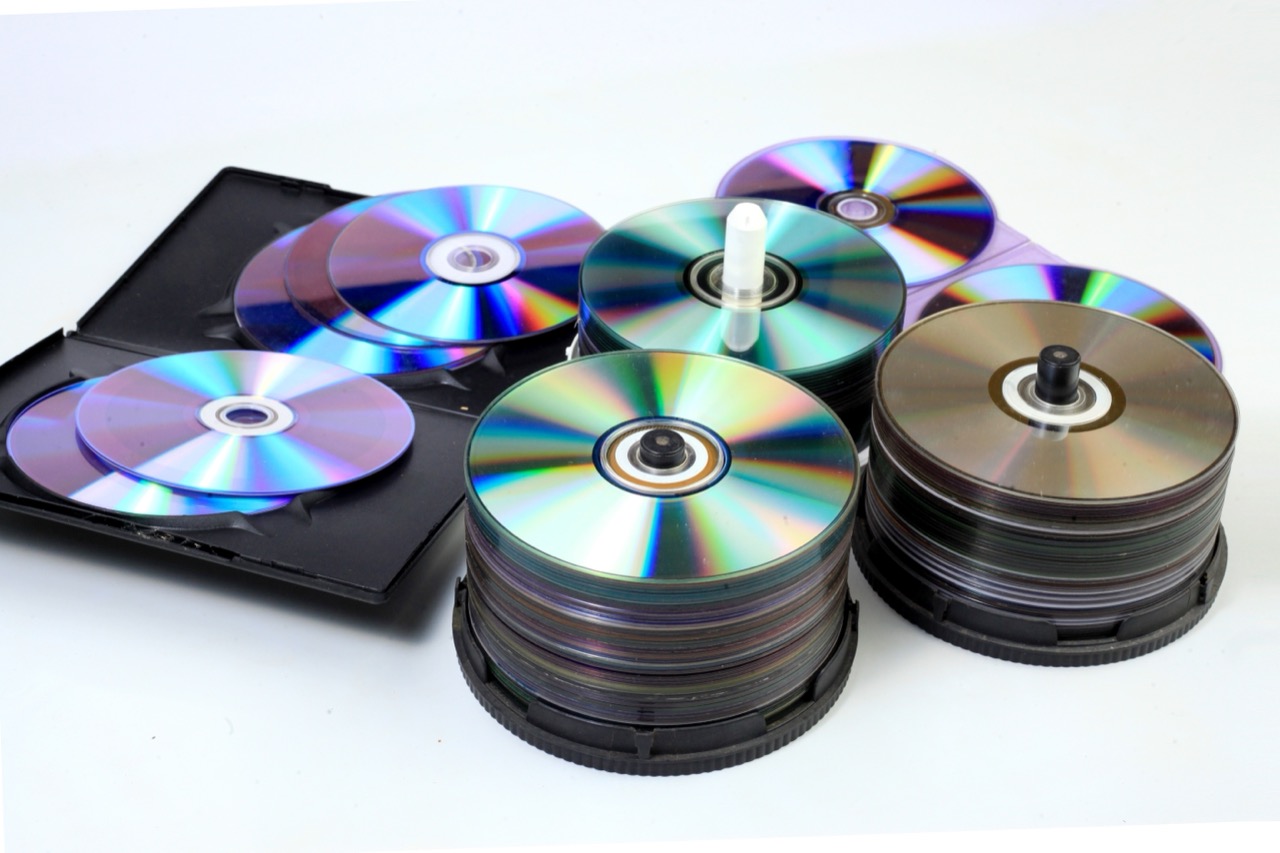
CD-ROMs felt enormous by the standards of the day. A typical disc held about 650 to 700 megabytes, which sounded almost limitless if you were used to floppy disks that stored 1.44 megabytes. That capacity made CDs ideal for distributing software, photo libraries, and video clips, but it also forced people to think in storage math. A single uncompressed minute of CD-quality audio is roughly 10 megabytes, so even the mighty CD filled up quickly with sound and video. This is why compression formats like MP3 and MPEG were so transformative: suddenly a disc could carry hours of music or long video segments, not just a few clips.
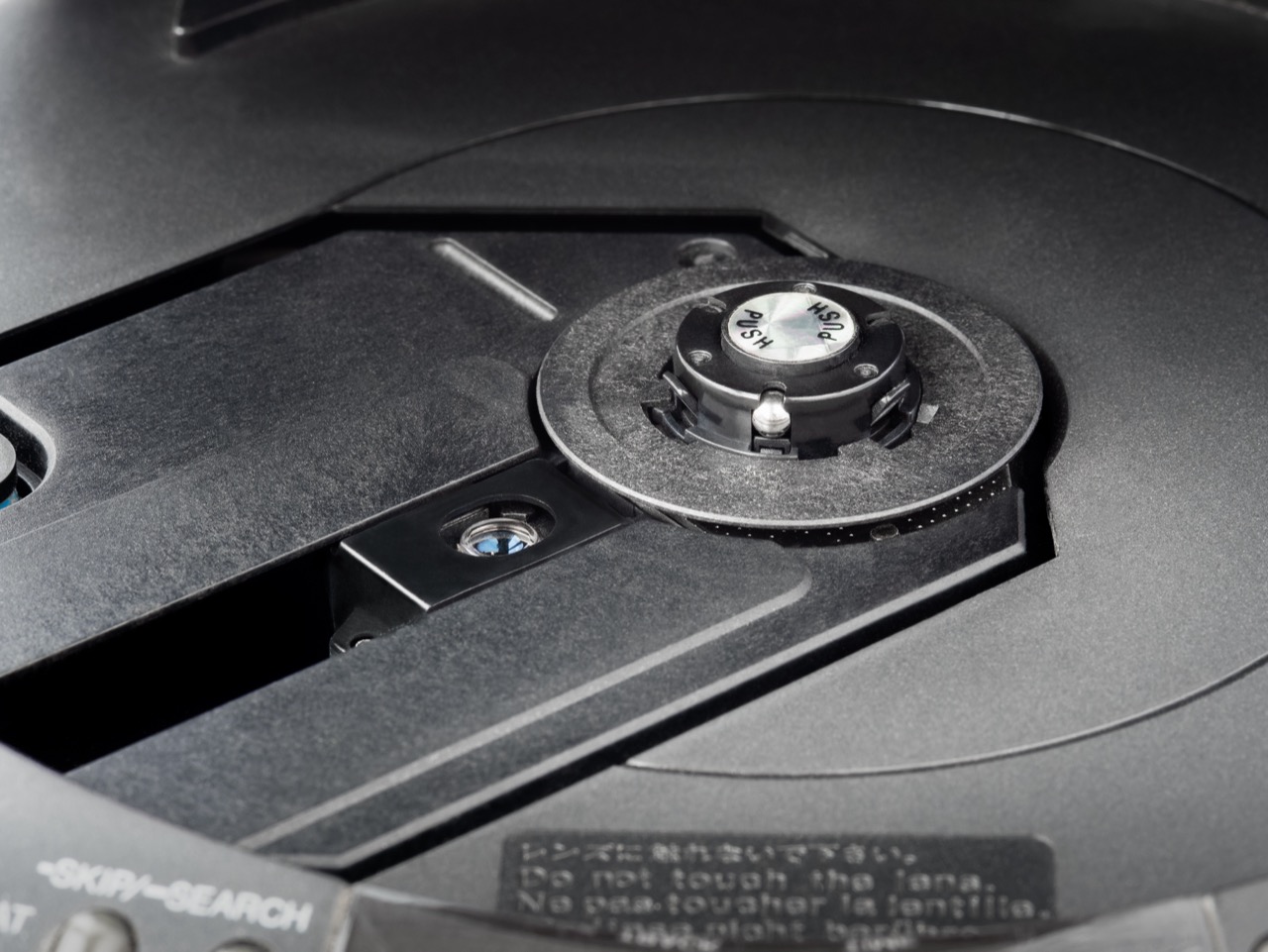
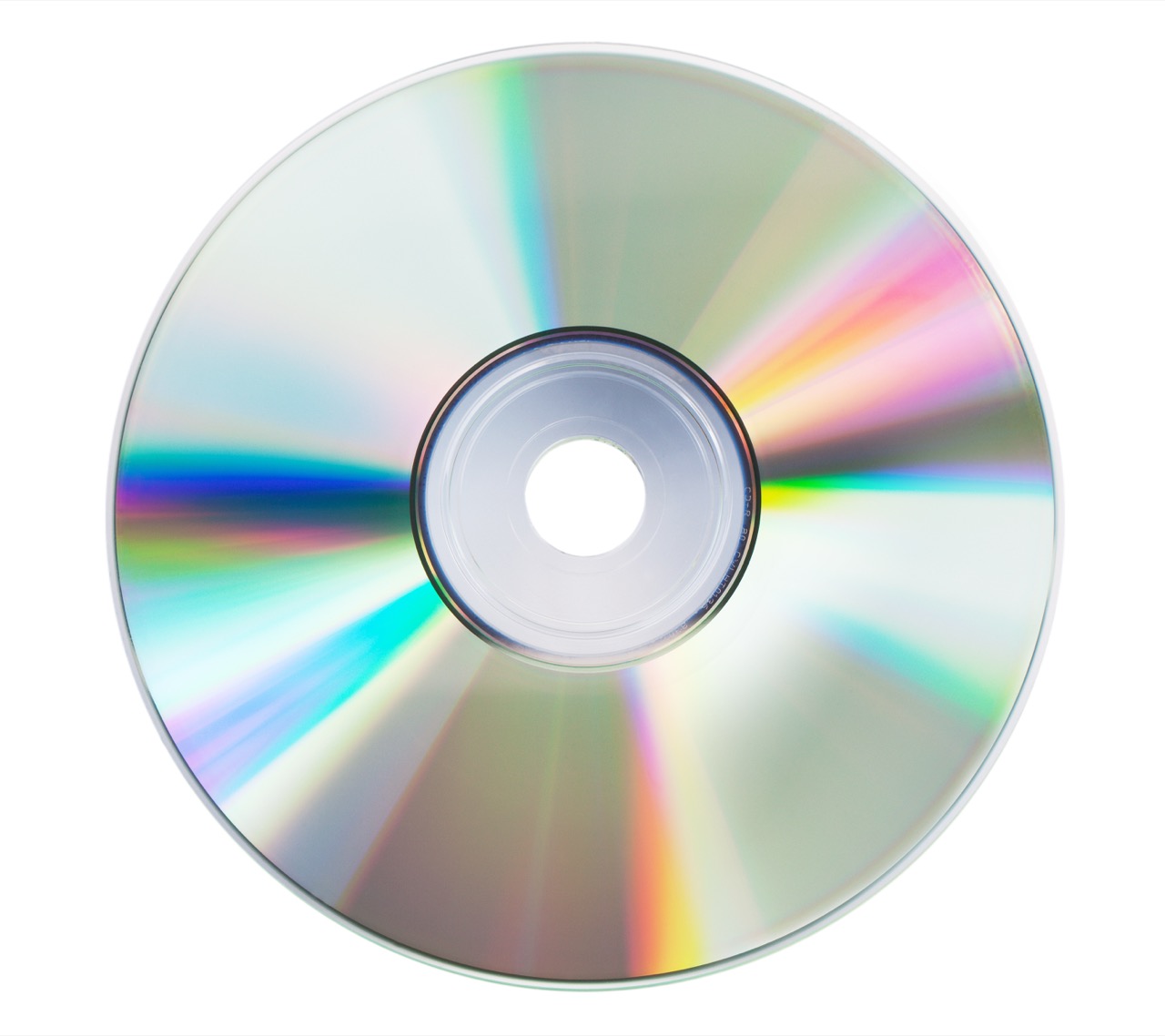
The file systems behind discs added another layer of practical reality. Most CD-ROMs used ISO 9660, a standard designed for broad compatibility, but it came with constraints that shaped everyday experiences, including filename limitations and a preference for uppercase. Extensions like Joliet and Rock Ridge improved things for Windows and Unix-like systems, allowing longer names and more metadata. Yet the key property of the CD-ROM remained the same: it was read-only. If you wanted to back up your files, you needed CD-R drives and blank discs, and you had to plan sessions carefully because early burning software could be finicky. Buffer underruns, where the data stream to the burner couldn’t keep up, could ruin a disc and waste both time and money. Packet writing tried to make CDs act more like giant floppies, but it often created compatibility headaches when discs were moved between computers.
While people were organizing stacks of discs, organizations were organizing something far more serious: Y2K remediation. The two-digit year problem wasn’t a single bug but a widespread design shortcut. Decades earlier, saving storage meant saving money, and storing 79 instead of 1979 seemed harmless. Over time those assumptions became embedded in databases, billing systems, industrial controllers, and custom software that no one had touched in years. When 99 became 00, systems that sorted dates, calculated interest, scheduled maintenance, or validated expiration windows could behave unpredictably.
The cultural phrase “Y2K compliant” appeared on everything from software boxes to hardware manuals because buyers wanted reassurance. Compliance generally meant the product could correctly handle dates beyond 1999, including leap year rules for 2000, which was a leap year despite the century boundary because it is divisible by 400. Businesses didn’t just patch code; they tested entire workflows. Full dress rehearsals were common, with companies setting clocks forward in isolated environments, running batch jobs, and verifying that reports, logs, and interfaces still made sense. Backup strategies were central: many IT teams performed complete system backups, printed critical reports, and prepared manual procedures in case automated systems failed.
When midnight arrived, the world mostly kept running. That outcome wasn’t pure luck, nor was it proof the threat was imaginary. It reflected years of inventorying systems, fixing code, replacing unsupported equipment, and practicing recovery. The moment remains memorable because it captured a transition: from physical media and boxed software toward the always-updated internet age, and from casual assumptions about data to a more sober understanding that tiny technical choices can echo for decades.