 Internet CultureQ1
Which website, founded in 1995 but hugely influential in the 2000s, was known for user-submitted Flash cartoons and games that helped spread early viral content?
 Internet CultureQ2
Which 2004 webmail service launch by Google dramatically increased free inbox storage compared to many competitors at the time?
 Internet CultureQ3
Which image format became especially associated with short, looping, silent animations widely shared on forums and blogs in the 2000s?
 Internet CultureQ4
Which 2007 video of a dramatic rodent turning toward the camera became a widely referenced reaction meme set to suspenseful music?
 Internet CultureQ5
Which video-sharing site launched in 2005 and rapidly became the central hub for viral videos later in the decade?
 Internet CultureQ6
Which internet prank took off in 2007 by tricking people into clicking a link that led to a 1987 music video?
 Internet CultureQ7
Which technology was most closely associated with interactive animations and browser games on many popular websites in the early 2000s?
 Internet CultureQ8
Which 2004 Flash prank became famous for a maze game that suddenly cut to a screaming face jump scare?
 Internet CultureQ9
Which early 2000s peer-to-peer file-sharing service, launched in 2001, became notorious for music sharing and legal battles?
 Internet CultureQ10
Which term best describes the early 2000s practice of copying and pasting a block of text repeatedly across forums and comment sections as a joke?
 Internet CultureQ11
Which platform, founded in 2003, became famous for highly customizable profile pages that often included autoplay music and user-edited HTML/CSS?
 Internet CultureQ12
Which social news site, launched in 2004, popularized the idea of front-page promotion through user voting and helped shape early viral link culture?
Wired Whimsy: How 2000s Web Culture Got Made and Shared
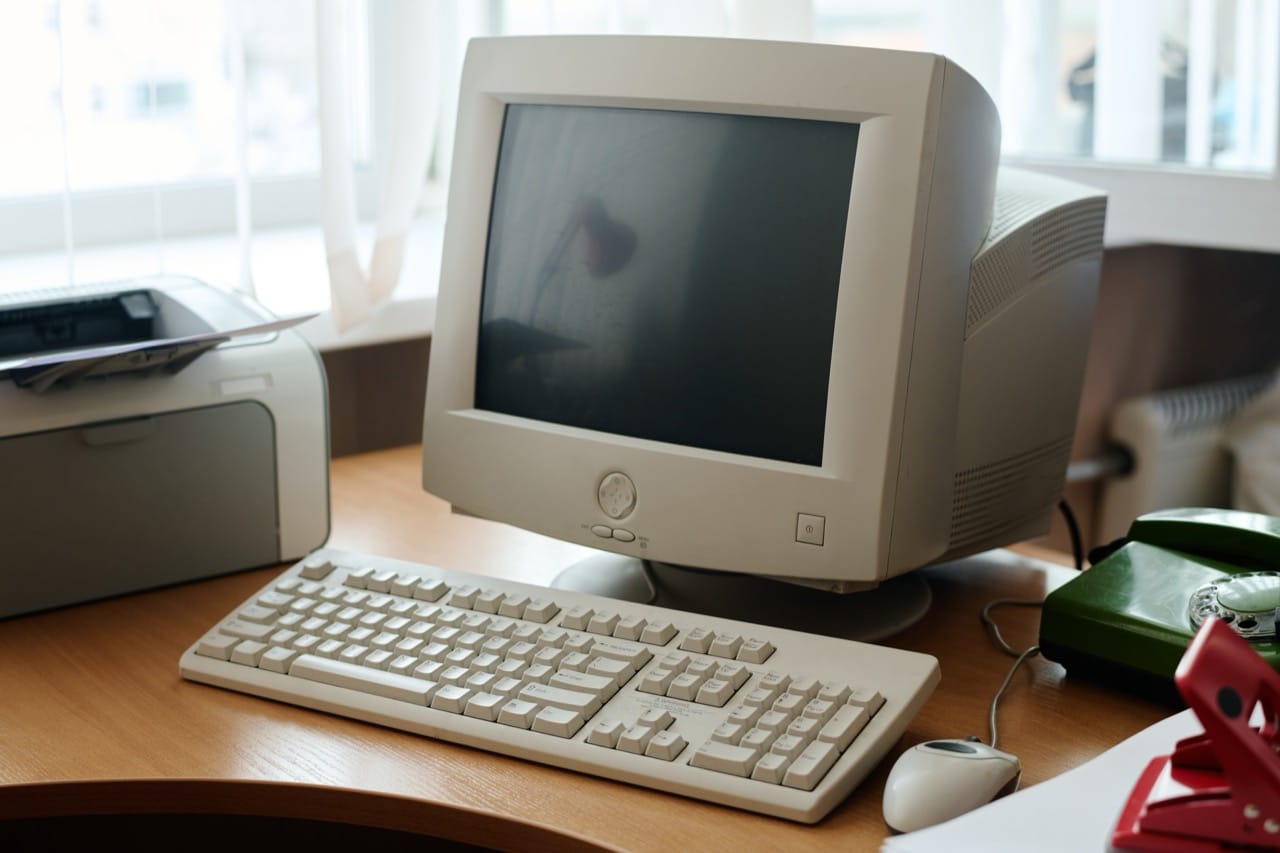
In the 2000s, the internet felt like a patchwork carnival built by strangers. Pages loaded slowly, browsers behaved differently, and yet people kept experimenting because the web was one of the few places where anyone could publish something and watch it travel. The era is often remembered for dial up sounds and chunky monitors, but its real legacy is how it taught millions of people the basic grammar of online sharing: links, embeds, copy paste, and the irresistible urge to show a friend.
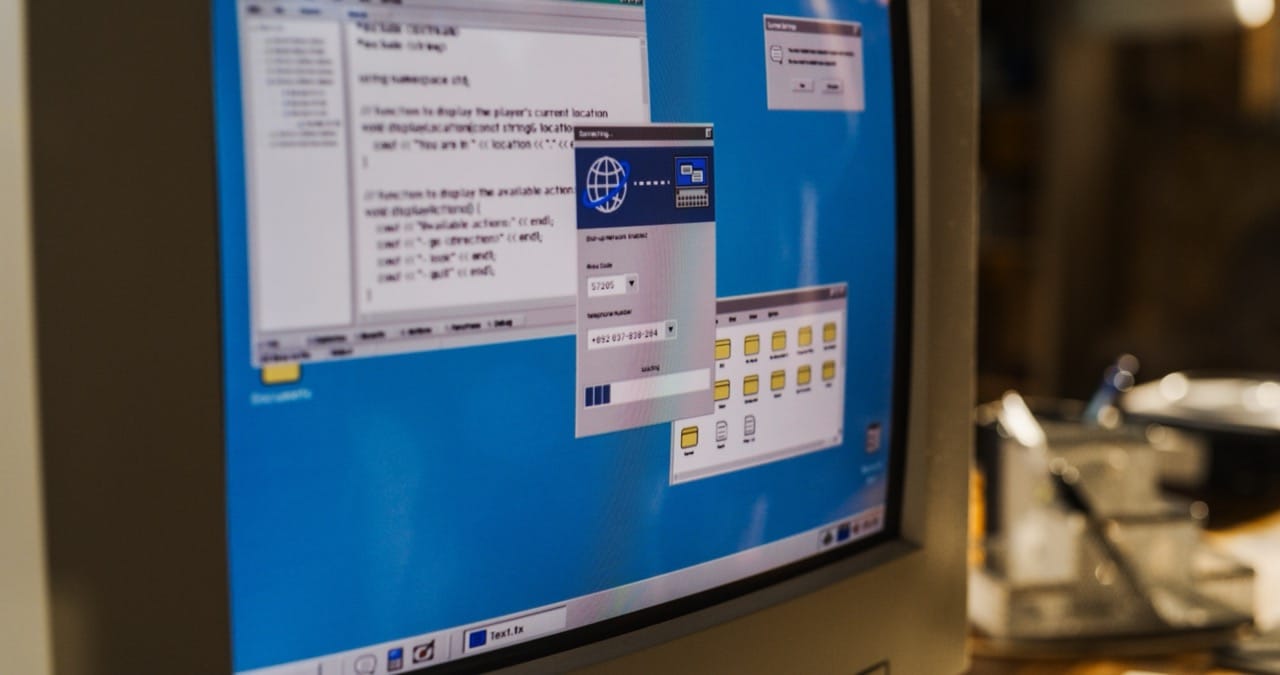
Flash was a big reason the web looked and sounded the way it did. Before video streaming became effortless, Flash animations and games delivered motion, music, and interactivity in a single file. That is why so many early internet jokes were built around looping cartoons, dance clips, and simple games that could run inside a browser. Sites like Newgrounds became hubs where amateur animators and game makers posted work, competed for attention, and developed a distinct style that later influenced web comics, indie games, and even mainstream animation. At the same time, Flash also revealed the web’s fragility: when plugins broke or standards changed, huge archives of culture became harder to access.
Memes in that decade often spread less like algorithmic trends and more like chain letters. People copied text, images, and links into emails, instant messages, and forum posts. Catchphrases and reaction images traveled through message boards such as Something Awful and 4chan, where in jokes could mutate rapidly, sometimes in clever ways and sometimes in ways that were toxic. The term “meme” existed already, but the 2000s turned it into a daily behavior: remixing, quoting, and repackaging a shared reference until it became social shorthand.
Prank sites and single purpose pages were another signature. A link might promise useful information and instead deliver a looping song, a fake error message, or a ridiculous animation. These jokes worked because the web still felt surprising; you could stumble into a strange corner and not immediately know who made it or why it existed. That mystery encouraged exploration and gave rise to the idea of the “viral link,” something passed around purely because it produced a reaction.
Social platforms were evolving quickly, and each one shaped how identity looked online. MySpace let users customize profiles with messy HTML and autoplay music, creating a kind of personal homepage culture where design choices signaled personality. LiveJournal encouraged longer writing and community groups, while forums built reputations through post history and inside jokes. Then YouTube, founded in 2005, changed everything about scale. It made uploading and embedding video simple, and it created a new kind of celebrity who was famous primarily because people kept sharing their clips. Early viral videos and remixes spread across blogs and social networks, turning ordinary moments into catchphrases that escaped the screen and entered everyday conversation.
The tools of the time also mattered. RSS readers helped people follow favorite sites before social feeds took over. Image macros became easier as basic editors and template sites spread. Even limitations shaped creativity: low resolution cameras, short clip lengths, and compressed audio gave early web content a recognizable texture.
Looking back, the wired whimsy of the 2000s was not just nostalgia for old websites. It was a training ground where online culture learned to replicate itself. Flash loops, forum threads, prank links, and early video virality all taught the same lesson: if something is easy to share and fun to repeat, it will travel farther than anyone expects.
Up next in Internet Culture
All 12 Internet CultureNew
2000s Web Culture Classics
 Internet CultureNew
Byte-Sized Legends of the 2000s Web
 Internet CultureNew
MySpace, AIM and the Early Social Web
 Internet CultureNew
The 2000s Social Web Scrapbook
 Internet CultureNew
Away Messages and Top 8s
 Internet CultureNew