 Science & TechnologyQ1
What was the name of the NASA mission whose sample-return capsule brought comet dust back to Earth in 2006?
 Science & TechnologyQ2
Which Space Shuttle orbiter completed the final Hubble Space Telescope servicing mission in 2009?
 Science & TechnologyQ3
Which NASA space telescope, launched in 2009, is especially associated with the search for exoplanets using the transit method?
 Science & TechnologyQ4
What is the name of the NASA mission launched in 2001 that studied cosmic microwave background radiation and produced influential full-sky maps?
 Science & TechnologyQ5
Which two NASA Mars rovers that landed in 2004 became iconic for their long surface missions and panoramic imagery?
 Science & TechnologyQ6
Which NASA mission famously released an impactor into Comet Tempel 1 in 2005 to study its interior material?
 Science & TechnologyQ7
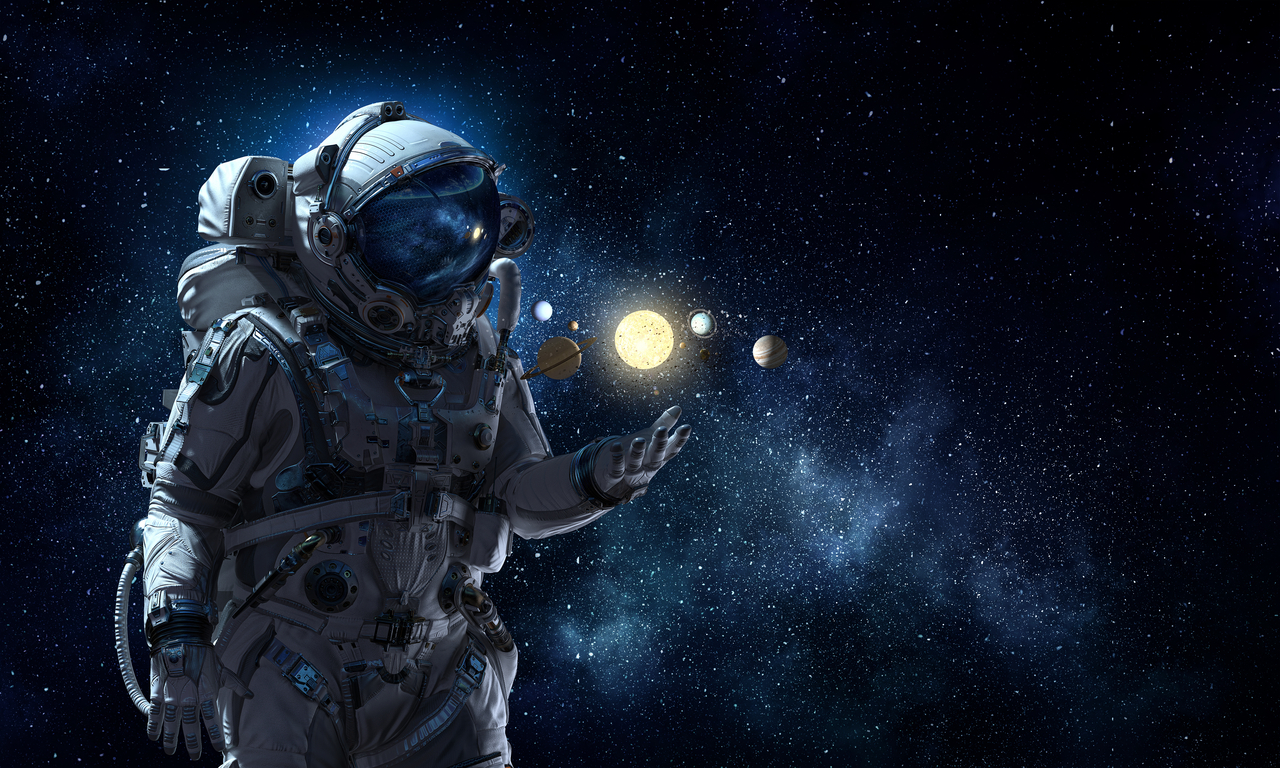
Which mission launched in 2009 to map the entire sky in infrared, producing a widely used all-sky view?
 Science & TechnologyQ8
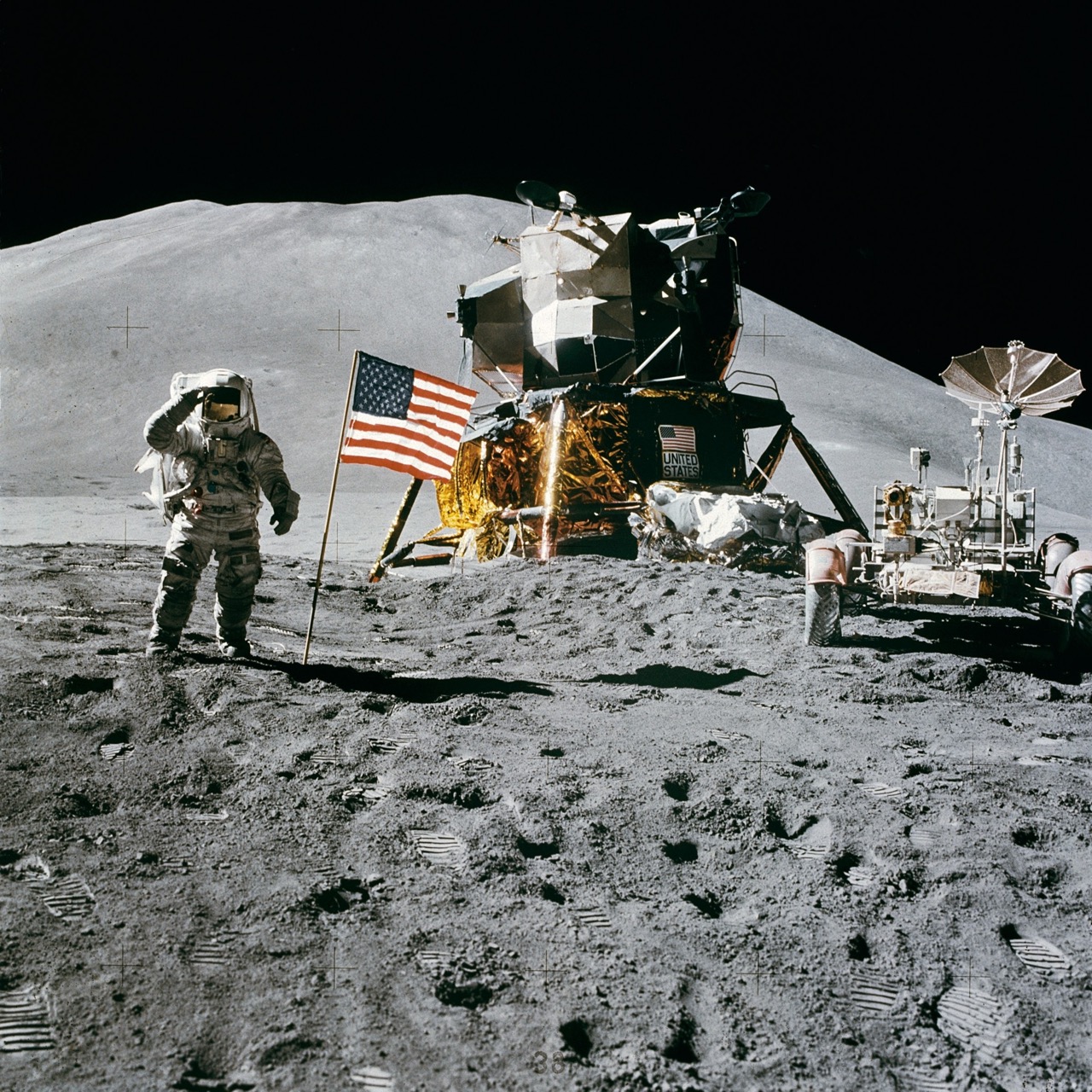
Which NASA spacecraft launched in 2004 and entered orbit around Mercury in 2011 after multiple flybys, with its name often written as an acronym?
 Science & TechnologyQ9
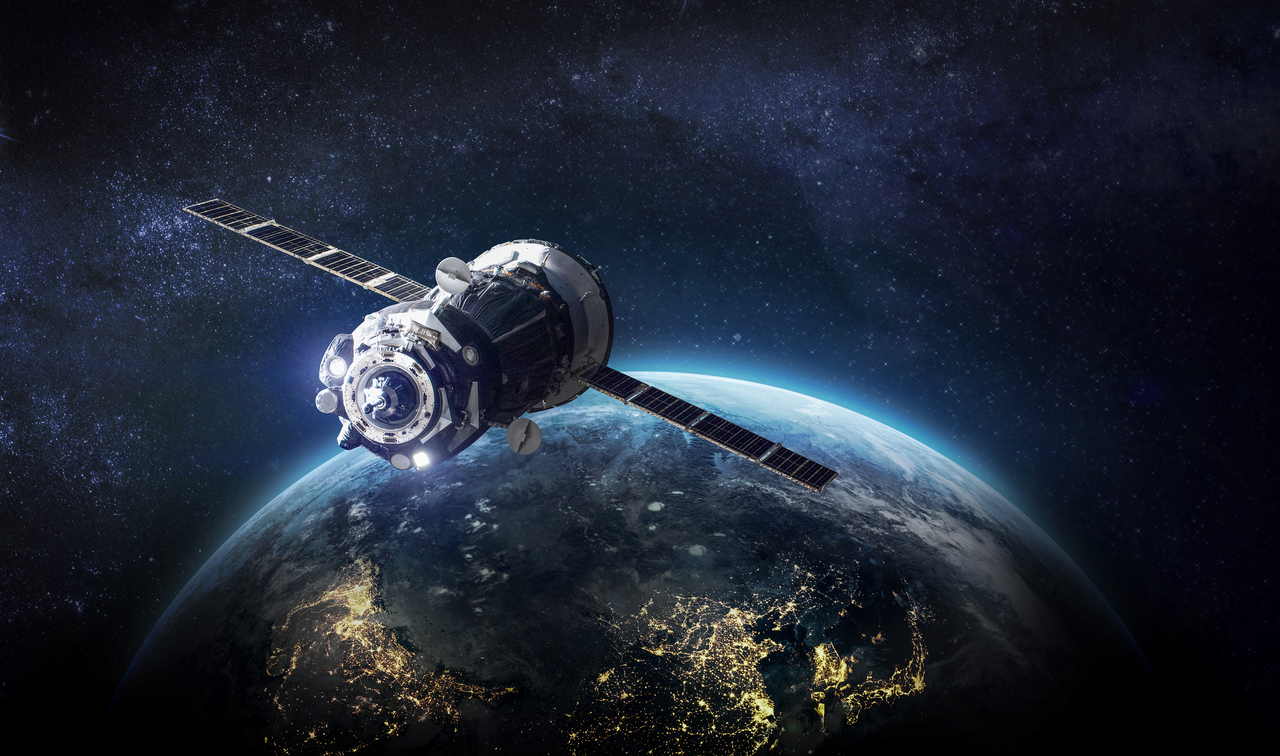
What was the name of the European probe that landed on Saturn’s moon Titan in 2005 after separating from Cassini?
 Science & TechnologyQ10
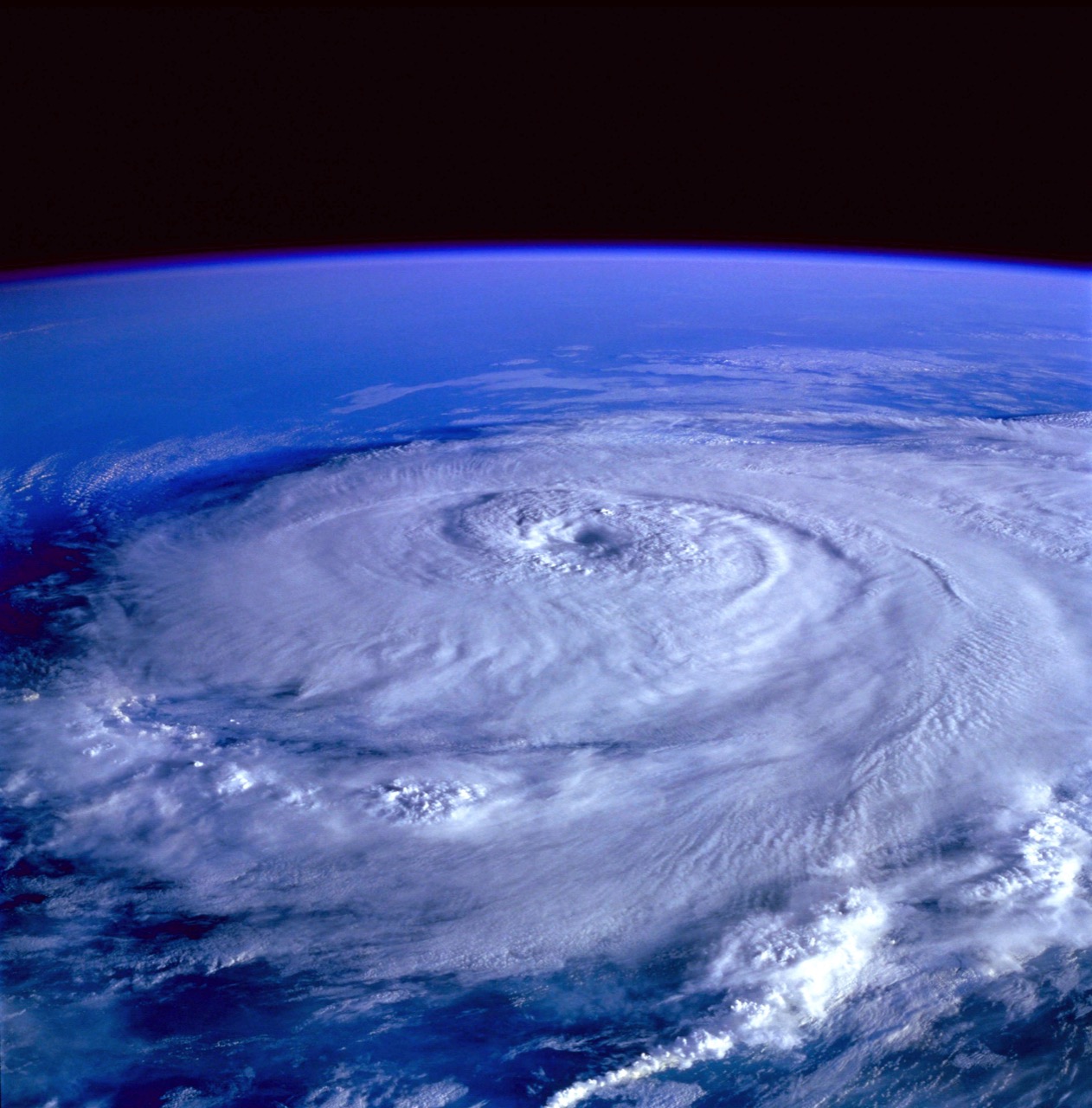
Which spacecraft, arriving at Saturn in 2004, became strongly associated with detailed images of Saturn’s rings and moons?
 Science & TechnologyQ11
Which NASA spacecraft launched in 2005 and entered orbit around Mars in 2006, becoming known for extremely high-resolution surface imaging?
 Science & TechnologyQ12
Which dwarf planet, announced in 2005, is roughly the size of Pluto and helped prompt the 2006 IAU vote that reclassified Pluto?
Iconic Space Mission Milestones of the 2000s
-287005.jpg)
The 2000s were a decade when space exploration produced a gallery of instantly recognizable images and mission names. Even people who do not follow space news closely tend to remember a few symbols from those years: a pair of golf cart sized rovers on Mars, a capsule returning from a comet, and a dramatic impact that turned a comet into a temporary science experiment. These milestones were not just media moments. They marked important advances in how we explore, how we sample, and how we visualize the universe.
Mars exploration became a cultural touchstone in early 2004 when the twin Mars Exploration Rovers, Spirit and Opportunity, began sending back panoramic photos from the Martian surface. Their landing sites, Gusev Crater and Meridiani Planum, became familiar names, and the rovers quickly exceeded expectations. Spirit’s mission highlighted the complexity of Martian geology, while Opportunity’s discoveries provided strong evidence that liquid water once existed at or near the surface. Opportunity’s longevity became legendary, lasting nearly 15 years and traveling farther than anyone expected from a mission designed for about 90 days.
While rovers were redefining what surface missions could do, spacecraft were also showing that returning samples was possible beyond the Moon. NASA’s Stardust mission flew through the coma of Comet Wild 2 in 2004, collecting tiny grains in a special material called aerogel. In 2006, Stardust’s sample return capsule landed in Utah, delivering the first samples brought back from a known comet. The idea that you could capture ancient material from the early solar system and bring it to laboratories on Earth helped make Stardust a household name among space fans.
Another comet mission created one of the decade’s most famous space images. Deep Impact, launched in 2005, deliberately crashed an impactor into Comet Tempel 1. Telescopes on Earth and in space watched as a bright plume of dust and ice erupted. The goal was to expose subsurface material and study the composition, offering clues about the building blocks that formed planets. The mission’s name became synonymous with the bold strategy of using an impact as a scientific tool.
The 2000s also expanded our sense of scale with spectacular telescope data. The Hubble Space Telescope continued producing deep field images that showed thousands of galaxies in what looked like a tiny patch of sky, reinforcing the idea that the universe is filled with galaxies far beyond the Milky Way. At the same time, NASA’s Wilkinson Microwave Anisotropy Probe, or WMAP, delivered all sky maps of the cosmic microwave background, the faint afterglow of the Big Bang. Those mottled oval maps, often shown in blues and reds, became a signature visual for modern cosmology and helped refine estimates of the universe’s age and composition.
Human spaceflight had its own defining moments, including the construction and expansion of the International Space Station. Space shuttle missions in the mid to late 2000s delivered major components and scientific capabilities, turning the station into a permanent laboratory in orbit. The decade also carried sobering reminders of risk, most notably the Space Shuttle Columbia disaster in 2003, which reshaped safety practices and influenced the remaining years of the shuttle program.
By the end of 2009, the decade had produced a set of easy to recognize milestones: rovers that made Mars feel like a place, comet missions that treated small worlds as time capsules, and space based observatories that turned abstract cosmic history into maps and images. Knowing the names and what each mission became famous for is like having a passport to the era when space exploration became both more ambitious and more visually iconic.
Up next in Science & Technology
All 20 Science & TechnologyNew
Space Law and Discovery in the 2000s
 Science & TechnologyNew
2000s Space Firsts and Discoveries
 Science & TechnologyNew
Space Missions of the 2000s
 Science & TechnologyNew
Gadgets That Defined the 2000s
 Science & TechnologyNew
DVDs, DVRs and 2000s Home Tech
 Science & TechnologyNew