 Science & TechnologyQ1
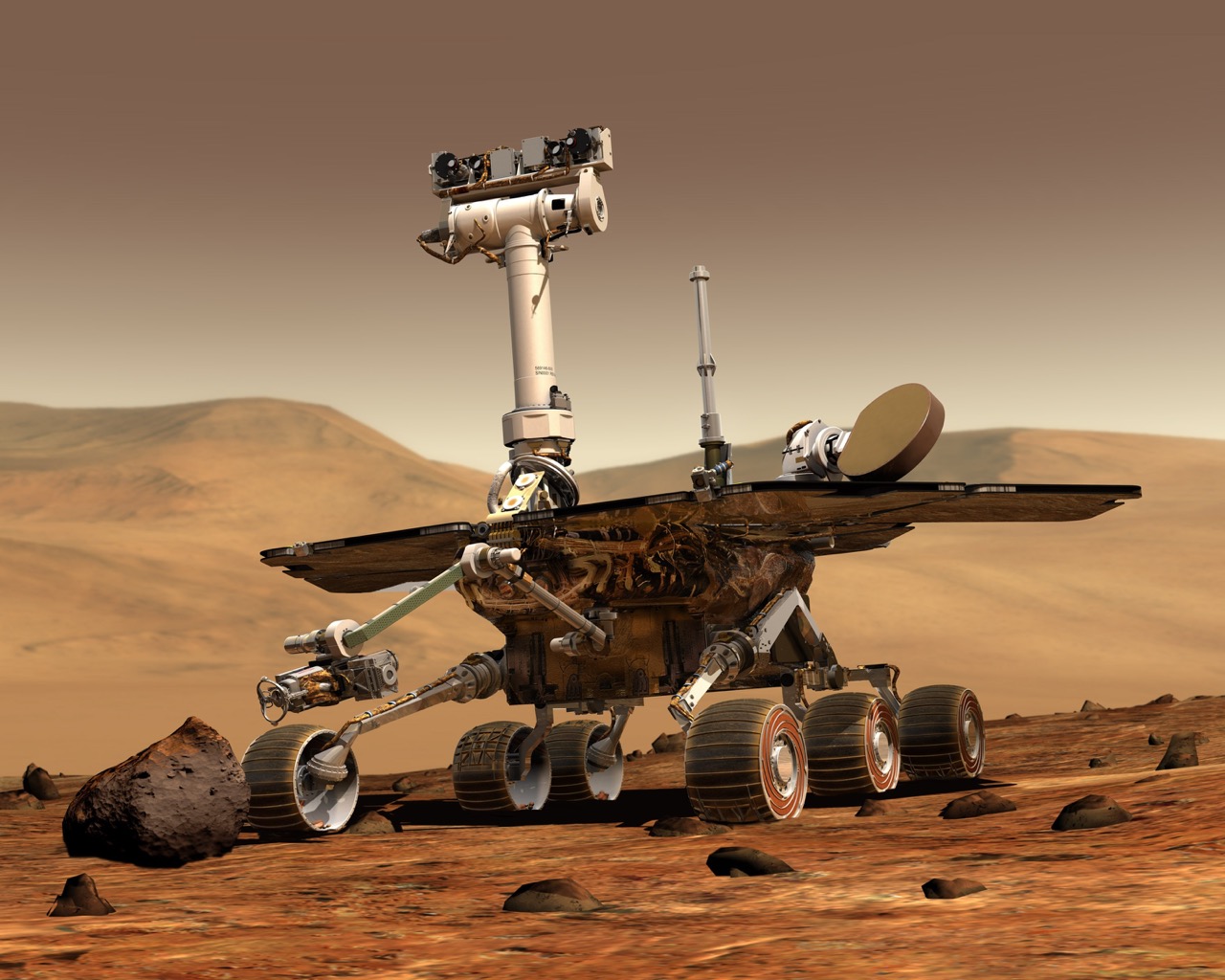
Which NASA rover mission landed on Mars in January 2004 and found evidence of past liquid water in the form of hematite-rich spherules nicknamed “blueberries”?
 Science & TechnologyQ2
What was the name of the international space station module launched by the European Space Agency in 2008 to serve as a laboratory?
 Science & TechnologyQ3
Which mission returned samples to Earth in 2006 after collecting particles from the coma of Comet Wild 2?
 Science & TechnologyQ4
Which European Space Agency spacecraft entered orbit around Mars in December 2003?
 Science & TechnologyQ5
Which NASA spacecraft intentionally impacted Comet Tempel 1 in 2005 to study material ejected from beneath its surface?
 Science & TechnologyQ6
Which NASA spacecraft landed on Mars in 2008 and confirmed water ice in the Martian arctic soil?
 Science & TechnologyQ7
What was the name of China’s first crewed spaceflight, which launched in 2003?
 Science & TechnologyQ8
Which Japanese spacecraft launched in 2003, reached asteroid Itokawa, and later returned asteroid material to Earth in 2010?
 Science & TechnologyQ9
In 2004, which spacecraft entered orbit around Saturn and later delivered the Huygens probe to Titan?
 Science & TechnologyQ10
Which mission launched in 2001 to study the cosmic microwave background and helped establish a detailed picture of the universe’s early conditions?
 Science & TechnologyQ11
Which space telescope launched in 2009 to search for exoplanets using the transit method?
 Science & TechnologyQ12
Which NASA mission launched in 2006 and reached Pluto in 2015, beginning with a Jupiter gravity assist in 2007?
Orbital Breakthroughs of the 2000s: A Decade That Connected the Solar System
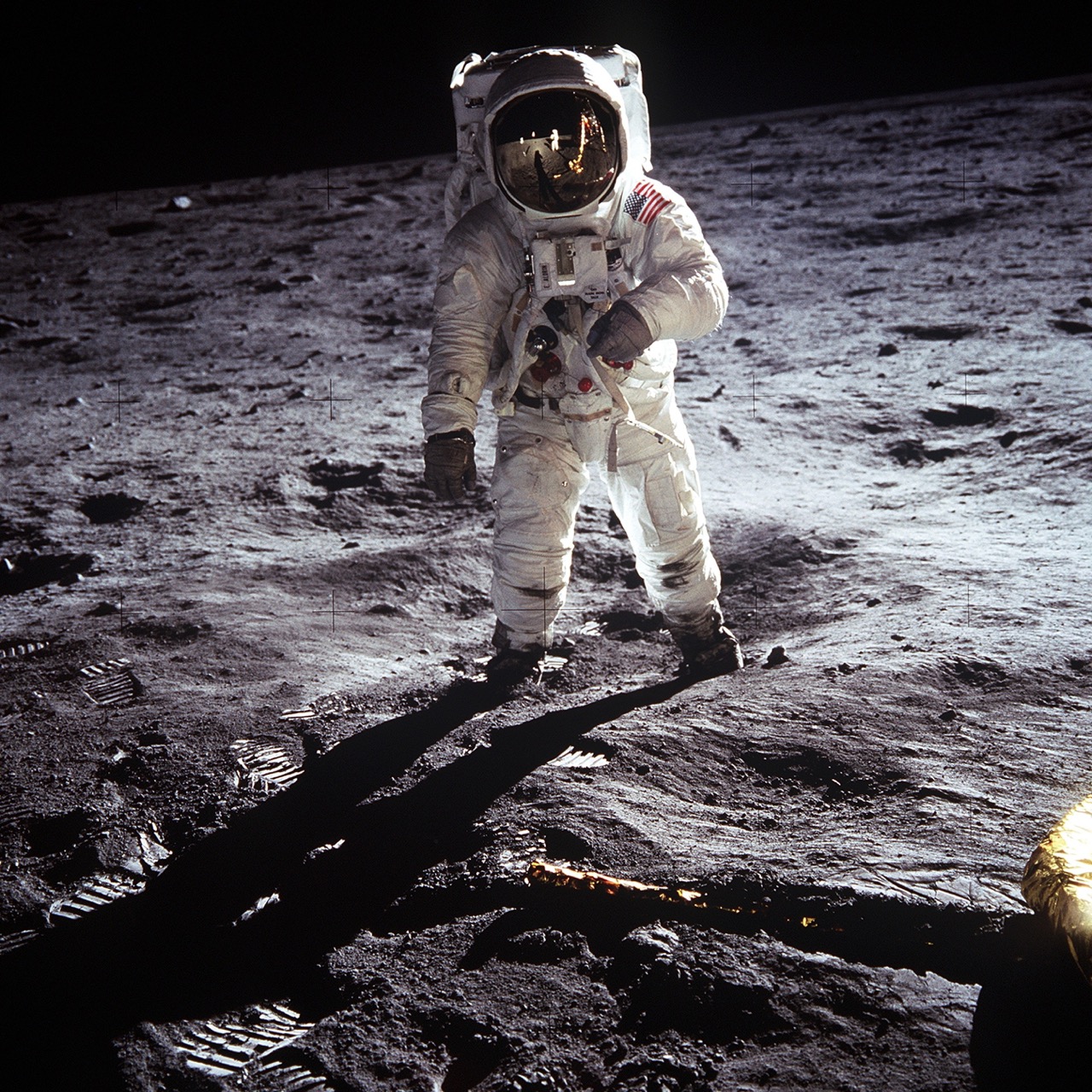
The 2000s were a rare kind of busy in spaceflight: not just a parade of launches, but a decade when missions increasingly worked like a network, with shared targets, shared data, and shared infrastructure. In Earth orbit, the International Space Station shifted from a dream under construction to a continuously inhabited laboratory. Starting in 2000, crews lived aboard year round, turning assembly flights into a routine that demanded international coordination. The station’s growth relied on the Space Shuttle, Russian Soyuz and Progress spacecraft, and later a new generation of cargo vehicles that began to appear by the decade’s end. Even when setbacks hit, like the Columbia disaster in 2003, the long term momentum continued, and the experience of building and maintaining a complex outpost shaped how agencies planned future human spaceflight.
Beyond Earth, Mars became the decade’s most reliable source of surprises. In early 2004, NASA’s twin rovers Spirit and Opportunity landed on opposite sides of the planet for missions expected to last about three months. They kept going for years, and their most famous payoff was rewriting the story of Martian water. Opportunity found strong evidence that rocks at Meridiani Planum formed in the presence of liquid water, with minerals and textures that pointed to wet conditions in the distant past. Spirit explored volcanic terrain and later uncovered signs of past hydrothermal activity. Above them, orbiters expanded the picture. Mars Express, launched by the European Space Agency in 2003, returned major results including the detection of water ice and mapped minerals from orbit. NASA’s Mars Reconnaissance Orbiter arrived in 2006 and began sending back ultra sharp images that could spot small surface changes and help choose safer, more scientifically rich landing sites for later missions.
If Mars was about persistence, comets were about bold timing. In 2005, Deep Impact deliberately struck Comet Tempel 1, watching the ejecta plume to learn what lay beneath the surface. That same year, another comet mission delivered one of the decade’s most tangible souvenirs. NASA’s Stardust spacecraft flew through the coma of Comet Wild 2, captured particles in aerogel, and returned them to Earth in a capsule that landed in 2006. Laboratory studies of those grains revealed a mix of materials, including high temperature minerals that implied early solar system mixing on a grand scale, a reminder that comets can preserve ancient ingredients while still carrying traces of a turbulent birth environment.
The outer solar system also got its defining close ups. Cassini, which entered orbit around Saturn in 2004, transformed the ringed planet from a distant icon into a dynamic system. Its companion probe, Huygens, parachuted through Titan’s atmosphere in 2005 and transmitted images of a landscape that looked eerily Earthlike, with channels and rounded features shaped by flowing liquids. Cassini later revealed towering water ice jets erupting from Enceladus, pointing to an active interior and turning a small moon into one of the most compelling places to search for habitable conditions.
Even missions that began earlier delivered signature moments in the 2000s. The Hubble Space Telescope, repaired and upgraded multiple times, kept producing landmark views, while the Spitzer Space Telescope, launched in 2003, opened a powerful infrared window on dusty star forming regions and distant galaxies. Together with other observatories, they helped popularize the idea that astronomy works best when different instruments observe the same target in different wavelengths.
By the end of 2009, the decade had made one thing clear: breakthroughs were increasingly born at the intersections. Rovers depended on orbiters, sample returns depended on precise navigation, and human spaceflight depended on international logistics. The 2000s did not just add facts to textbooks; they changed the way space exploration was done, creating the connected style of missions that still drives discoveries today.
Up next in Science & Technology
All 20 Science & TechnologyNew
Space Law and Discovery in the 2000s
 Science & TechnologyNew
2000s Space Firsts and Discoveries
 Science & TechnologyNew
Rovers, Comets and Saturn Probes
 Science & TechnologyNew
Gadgets That Defined the 2000s
 Science & TechnologyNew
DVDs, DVRs and 2000s Home Tech
 Science & TechnologyNew